
Natural vs. Synthetic Astaxanthin: A Professional Sourcing Guide for High-Purity Haematococcus Pluvialis Extract
Choosing the right astaxanthin source is a strategic brand decision. This guide analyzes CD36-mediated bioavailability and 3S, 3'S isomer purity to help R&D leaders distinguish premium natural extracts from synthetic blends.
The expanding application of astaxanthin in eye health, active aging, and sports nutrition has created a complex procurement landscape. Brand owners and R&D leaders face a persistent challenge: substantiating the significant price difference between natural and synthetic variants to internal stakeholders and end consumers. This guide moves beyond basic purity checks to establish a supplier evaluation framework grounded in stereochemistry, bioavailability science, and regulatory traceability, specifically for high-purity Haematococcus pluvialis extract. Understanding these nuances transforms a procurement cost center into a strategic brand asset.
Why Source Matters: The Stereoisomer Divide
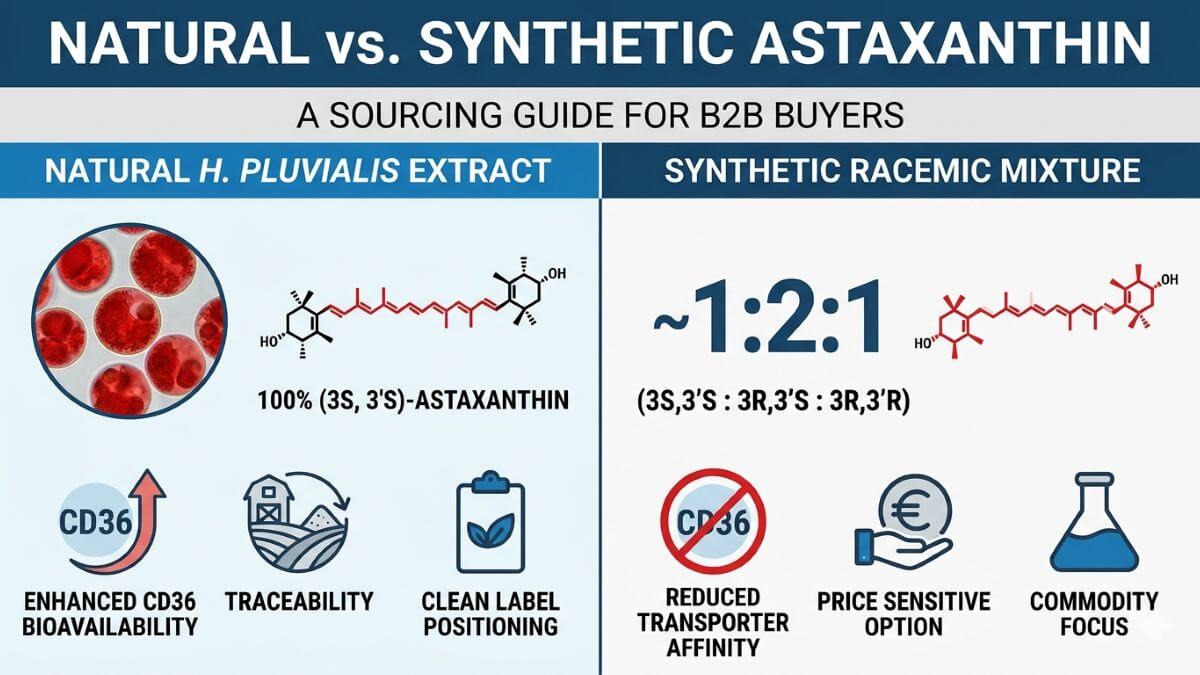
The fundamental difference between natural and synthetic astaxanthin lies in its molecular architecture. Astaxanthin possesses two chiral centers, allowing for three stereoisomers: (3S, 3'S), (3R, 3'S), and (3R, 3'R). Natural astaxanthin derived from Haematococcus pluvialis is almost exclusively the (3S, 3'S) form. In contrast, synthetic versions are a racemic mixture, typically comprising a 1:2:1 ratio of the three isomers (doi: 10.3390/nu14071522). For procurement professionals, this is not merely a chemistry detail; it dictates biological performance and consumer perception. In practice, a Certificate of Analysis (COA) reporting only total astaxanthin content offers an incomplete picture—it fails to distinguish between a premium natural ingredient and a cheaper synthetic blend.
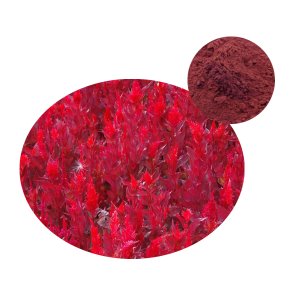
When evaluating suppliers of Natural Astaxanthin Powder, the first question should address stereochemical integrity. Request a COA that includes chiral analysis, not just total astaxanthin content. A supplier offering >98% (3S, 3'S) isomer purity demonstrates mastery over the cultivation and extraction process, ensuring the product aligns with the natural positioning demanded by premium brands. This level of detail signals that the supplier understands the science behind the ingredient and can back up its “natural” claim with verifiable data—a key differentiator in a market where greenwashing is common.
Molecular Mechanism of Bioavailability
The biological advantage of the (3S, 3'S) isomer is now supported by mechanistic evidence. A pivotal 2026 study revealed that the intestinal transporter protein CD36 exhibits significant stereoselectivity. Key findings include:
- Binding Affinity: (3S, 3'S)-astaxanthin binds to CD36 with a lower binding energy (ΔΔG = -1.39 kcal/mol) compared to its (3R, 3'R) counterpart, attributed to a unique hydrogen bond with the ASN53 residue.
- Cellular Uptake: In CD36-overexpressing cells, uptake of the (3S, 3'S) isomer was 14.44% higher than that of the (3R, 3'R) form (P < 0.05).
- Inhibition Validation: A CD36-specific inhibitor reduced duodenal absorption of (3S, 3'S)-astaxanthin by 83.78%, while the (3R, 3'R) isomer was inhibited by only 49.16% (doi: 10.1021/acs.jafc.5c11047).
This data provides a clear, science-backed rationale for preferring natural sources. For formulators, this translates to higher and more consistent plasma levels from lower doses, a critical factor in product efficacy and cost engineering. From a procurement standpoint, it means that using natural astaxanthin can achieve the desired biological effect with less material—potentially offsetting the higher per‑kilogram cost through dose reduction and stronger efficacy claims.
Regulatory Landscape and Safety Assessment
The regulatory and safety profiles diverge significantly between sources. The European Food Safety Authority's (EFSA) historical acceptable daily intake (ADI) of 2 mg was based on studies using synthetic astaxanthin. Comprehensive reviews of human studies involving natural, algae-derived astaxanthin, with daily doses often exceeding 12 mg, have reported no adverse events
This distinction is crucial for legal and claims teams. Suppliers should be able to provide:
- A clear statement of origin (Haematococcus pluvialis vs. chemical synthesis).
- Safety dossiers specific to their natural product, not relying on synthetic data.
- Evidence of non-GMO and solvent-free extraction methods, which correlate with higher isomer purity.
What this means for buyers: if a supplier cannot produce origin‑specific safety data, their product may expose your brand to regulatory pushback or limit the health claims you can legally make. Relying on synthetic astaxanthin safety data to support a natural ingredient is a red flag.
Translating Science into Supplier Evaluation
Armed with an understanding of stereochemistry, bioavailability, and regulatory nuances, procurement teams can now move from theory to practice. The question becomes: how do you differentiate a commodity vendor from a true strategic partner? The table below outlines a framework for assessing suppliers beyond price per kilogram.
| Evaluation Criteria | Basic Supplier (Transactional) | Strategic Partner (Differentiated) |
|---|---|---|
| Chiral Purity Assurance | Provides total astaxanthin content (HPLC). | Provides COA with validated (3S, 3'S) isomer percentage (>98%). |
| Safety Data | References generic, industry-wide safety studies. | Provides safety dossiers specific to their natural, algae-derived product. |
| Upstream Traceability | Sells astaxanthin powder sourced from traders. | Owns or controls the Haematococcus pluvialis cultivation process. |
| Technical Support | Supplies raw material only. | Offers formulation support and solubility/stability data for various applications. |
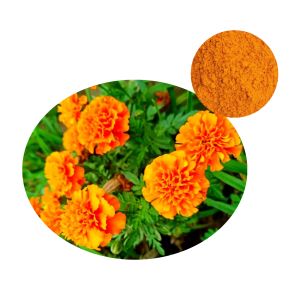
Suppliers who control the entire chain—from algae cultivation to extraction—can guarantee this level of detail. Their expertise often extends to complementary ingredients. For instance, brands formulating for the eye health market often pair astaxanthin with carotenoids to create comprehensive blue-light protection formulas. A reliable source for Natural Lutein Powder with verified purity and stability data is as critical as the astaxanthin itself. The most valuable suppliers are those that can provide a portfolio of well‑documented, synergistic ingredients, reducing the complexity of your supply chain and accelerating time‑to‑market.
Building Differentiated Formulations
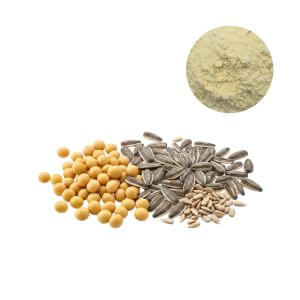
The ultimate goal of stringent sourcing is product differentiation. The unique membrane-stabilizing properties of (3S, 3'S)-astaxanthin open doors to advanced applications. When combined with phospholipids, a synergistic effect can be achieved. For cognitive health formulations targeting the active aging demographic, pairing astaxanthin with phospholipids addresses both oxidative stress and neuronal membrane integrity. A phospholipid source with high purity, such as Phosphatidylserine (PS) Powder (typically ≥70% by HPLC), ensures the formulation targets the relevant biological pathways effectively. Leading formulators now recognize that true innovation lies not in simply stacking trendy ingredients, but in combining them based on complementary mechanisms—a strategy that demands a deep understanding of each component's molecular profile.
A Practical Checklist for Procurement
In a market rife with unsubstantiated claims, a quantifiable checklist becomes your most objective tool. Before finalizing a supplier, ensure the following documentation and data points are reviewed. This moves the conversation from marketing fluff to verifiable quality.
- Chiral Purity: Does the COA specify the percentage of the (3S, 3'S) isomer (target >98%)?
- Extraction Method: Is it verified as non-chemical (e.g., supercritical CO₂) to prevent isomer degradation?
- Heavy Metal Profile: Does it meet regional standards (e.g., USP, EP) for bulk ingredients?
- Microbiological Scope: Is total plate count, yeast, and mold within acceptable limits for your target dosage form?
- Particle Size: Is the D90 value (<180 μm) suitable for your intended blending and encapsulation equipment?
Each of these parameters is a decision point. A supplier that can confidently answer “yes” to all of them is demonstrating a level of process control that directly translates into batch‑to‑batch consistency—the foundation of a reliable finished product.
Conclusion
The choice between natural and synthetic astaxanthin is a strategic decision impacting product efficacy, safety positioning, and brand credibility. A supplier capable of providing detailed chiral analysis, source-specific safety data, and evidence of CD36-mediated bioavailability offers more than a raw material; they offer a defendable market advantage. Ultimately, investing in a traceable, science‑backed natural astaxanthin is not an expense—it is an investment in brand equity and consumer trust. Begin your next project by reviewing the technical specifications of our Natural Astaxanthin Powder and discover how verified sourcing can elevate your formulations.
Share this article
Found this helpful? Share it with others!
Related Products
Products mentioned in this article
Want to learn more?
Explore our products or contact our team for personalized solutions and expert advice.