
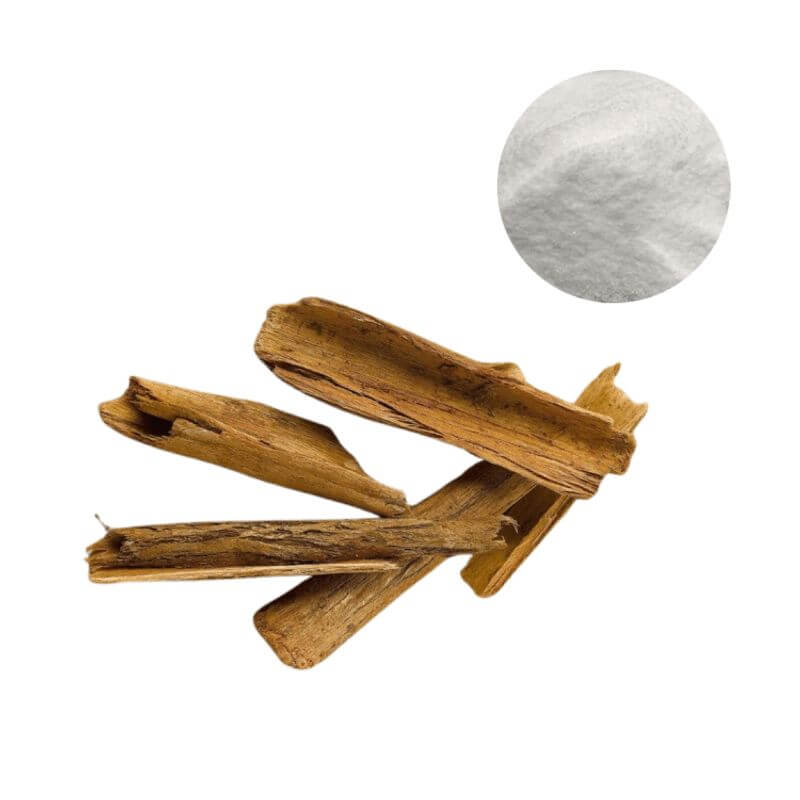
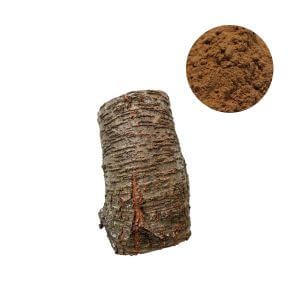
Yohimbine HCl Powder
| Product Name | Yohimbine HCl Powder |
| CAS Number | 65-19-0 |
| Appearance | White to off-white crystalline powder |
| Purity | 98% min. (by HPLC) |
| Packaging | 1 kg/bag, 5 kg/bag, 25 kg/drum |
| MOQ | 1 kg |
Yohimbine HCl Powder: Precision α₂‑Antagonist for High‑Intensity & Body Composition Formulas
For R&D and procurement leaders developing the next generation of sports nutrition and metabolic support products, the challenge is no longer simply including an active ingredient—it is ensuring that the active performs reliably across batch‑to‑batch, dosage form, and real‑world use. Increasing demand for mechanisms that go beyond broad stimulants has placed selective alpha‑2 adrenergic receptor antagonists at the forefront of sophisticated formulation strategies. Yohimbine HCl, a well‑characterized α₂‑antagonist, offers a targeted pathway for supporting fat mobilization and anaerobic output—but its potency demands rigorous quality control and formulation expertise. For brands sourcing bulk Yohimbine HCl, a premium ingredient standardized to ≥98% purity by HPLC with a comprehensive Certificate of Analysis (COA) provides the foundation for predictable efficacy and regulatory confidence. This guide explores the science, quality benchmarks, formulation strategies, and supply‑chain considerations that turn this well‑studied alkaloid into a dependable building block for sophisticated supplement lines.
Mechanism & Clinical Rationale: Why α₂‑Antagonism Matters for Performance and Composition
For formulators seeking to build credibility through mechanism‑driven products, understanding the precise pharmacological action is essential. Yohimbine HCl exerts its effects primarily through competitive antagonism of presynaptic alpha‑2 adrenergic receptors. By blocking this auto‑inhibitory feedback loop, the compound increases norepinephrine spillover into the synaptic cleft, amplifying sympathetic outflow. In peripheral adipose tissue, this translates to reduced anti‑lipolytic signaling—allowing for greater free fatty acid release, especially from stubborn adipocyte populations that are rich in α₂ receptors. Central effects further contribute to arousal, focus, and perceived energy. A 2024 systematic review consolidates the evidence across endurance, sprint, and resistance protocols, concluding that low oral doses (2.5–5 mg) acutely enhance power output and delay fatigue (doi:10.3390/neurolint16060131).
So what does this mean for a finished product? Instead of relying on broad stimulants that often lead to jitters or tolerance, formulators can use Yohimbine HCl as a targeted tool to support metabolic rate and anaerobic performance with a clear mechanistic rationale. For brands positioning themselves in the evidence‑driven sports nutrition segment, this distinction directly translates to consumer trust and the ability to articulate a unique value proposition. A high‑purity, HPLC‑verified grade ensures that the dose‑response relationship observed in clinical literature can be reliably replicated in a commercial supplement—a critical factor for substantiated claims and long‑term brand equity.
Quality Benchmarks: What Experienced Procurement Teams Evaluate
When sourcing bulk Yohimbine HCl, a simple ≥98% purity statement is necessary but insufficient to guarantee performance. A rigorous procurement evaluation considers parameters that directly correlate with batch‑to‑batch consistency and finished product stability. A dependable Yohimbine HCl supplier will provide the following data points on every batch‑specific COA:
- HPLC Assay & Identity – The active should be quantified by HPLC against a certified reference standard; identity is confirmed via retention time match and, ideally, mass spectrometry. This ensures the material matches the clinical literature reference.
- Specific Rotation – For an optically active alkaloid, specific rotation ([α]D20 = +100° to +105°, c=1, H₂O) serves as a powerful fingerprint of correct stereochemistry and absence of related isomers. This parameter is often overlooked but can reveal subtle purity issues that standard HPLC may miss.
- Loss on Drying & Residual Solvents – Values ≤1.0% (USP <731>) and compliance with USP <467> Class 3 limits are hallmarks of a well‑processed material that will not degrade prematurely in solid dosage forms. For brands targeting extended shelf‑life claims, this becomes a non‑negotiable specification.
Therefore, a comprehensive supplier audit goes beyond reviewing the certificate of analysis—it verifies that these quality parameters are consistently met across multiple lots. From a total cost of ownership perspective, investing in a Yohimbine HCl supplier who provides full‑panel COAs and transparent stability data reduces the hidden costs of rejected batches, reformulation delays, and regulatory submission setbacks. This is especially critical for brands expanding into regulated markets, where documentation integrity directly impacts approval timelines.
Formulation in Practice: Stability, Synergy & Delivery Solutions
Yohimbine HCl is a fine, white to off‑white crystalline powder that is sparingly soluble in water. In practice, it performs best in dry‑blend formats (capsules, sachets) or in encapsulated systems where it remains isolated from moisture. Recent research highlights its utility in targeting circadian performance dips: a 2024 randomized trial demonstrated that 2.5 mg of Yohimbine HCl ingested 20 minutes before morning exercise mitigated the typical decrement in supramaximal sprint performance, raising average power to levels normally seen in the afternoon (doi:10.3390/nutraceuticals4010002). This opens the door for “morning‑optimized” pre‑workout products—a distinct positioning opportunity in a crowded category.
| Synergistic Ingredient | Rationale | Typical Co‑Use Ratio (per serving) |
|---|---|---|
| L-Carnitine L-Tartrate | Supports fatty acid transport into mitochondria; complements Yohimbine’s lipolytic effects by enhancing the utilization of mobilized fatty acids for energy. | Yohimbine HCl 2.5–5 mg : LCLT 500–1000 mg |
| L-Theanine | Provides a calming counterbalance to Yohimbine’s sympathetic activation, promoting focused energy without excessive jitters—ideal for “zen‑energy” or stress‑resilience formulations. | Yohimbine HCl 2.5–5 mg : L‑Theanine 100–200 mg |
From a stability standpoint, Yohimbine HCl is robust in the solid state when stored below 30°C in tight, light‑resistant packaging. In liquid or gummy applications, however, the molecule can degrade under prolonged exposure to high pH (>8.0) or strong oxidizing agents. An effective formulation strategy is to encapsulate the active in a moisture‑controlled environment, or for powder sticks, to include silica flow agents that maintain homogeneity. Practically speaking, pre‑blending the active with a small portion of the excipient (geometric dilution) is essential to ensure uniform distribution, especially when targeting low doses (2.5–5 mg) per serving. For brands developing combination products, this attention to processing detail ensures that the intended synergistic effect is realized, not lost to uneven dispersion or premature degradation.
Mitigating Risk: A Sourcing Checklist for Yohimbine HCl
Selecting a supplier for a potent alkaloid like Yohimbine HCl involves more than price negotiation—it requires a framework that balances cost against supply continuity and compliance safety. The following checklist reflects industry best practices for sourcing high‑risk botanical‑derived ingredients:
- Full‑panel COA per lot – Includes HPLC purity, loss on drying, residual solvents, heavy metals (Pb, As, Cd, Hg), and microbial enumeration (total plate count, yeast/mold, E. coli, Salmonella, Pseudomonas aeruginosa).
- GMP compliance – Manufacturing under GMP (NSF or equivalent) ensures documented cleaning, calibration, and quality systems, directly reducing the risk of cross‑contamination.
- Traceability – The supplier can provide the botanical source (Pausinystalia yohimbe bark) and country of origin; batch records allow recall readiness—a critical capability for brands with global distribution.
- Technical support – Responsive documentation (spec sheets, stability data, regulatory dossiers) is a proxy for the supplier’s commitment to partnership. For brands navigating Novel Food or NDI pathways, this support can accelerate submission timelines by weeks.
Using this framework, buyers can evaluate potential partners on risk‑adjusted value rather than unit price alone. A reliable GMP‑certified Yohimbine HCl supplier reduces the hidden costs of quality failures, such as rejected batches, reformulation delays, and brand reputation damage—costs that far outweigh a modest premium in raw material price. For procurement teams, this perspective shifts the conversation from short‑term savings to long‑term supply chain resilience.
Next Steps: Accelerate Your Product Launch with Verified Ingredients
By choosing a GMP‑compliant, HPLC‑verified Yohimbine HCl powder with full traceability, you secure the mechanistic edge required for effective sports nutrition and metabolic support products—while eliminating the variability that often plagues botanical‑derived actives. The combination of low‑dose efficacy (2.5–5 mg) and well‑documented synergy with L‑Carnitine L‑Tartrate or L‑Theanine allows you to create distinct, science‑backed formulas. To move from concept to validated formulation with confidence, request a complimentary sample and complete technical dossier today. The dossier includes batch‑specific COA, stability summary, and formulation guidance—enabling your R&D and procurement teams to make informed, risk‑mitigated decisions.
Frequently Asked Questions
Share this product
Related Products
Ready to get started?
Contact our team for technical specifications, pricing, and customized solutions.