
Urolithin A vs. The Rest: How to Choose the Right Anti-Aging Ingredient for Your Product Formulation
Confused by anti-aging ingredients? This guide cuts through the hype, comparing Urolithin A's targeted cellular benefits against NMN, Fisetin, and pomegranate extract. Learn key selection criteria—from clinical evidence to formulation stability—to make an informed choice for your next product.
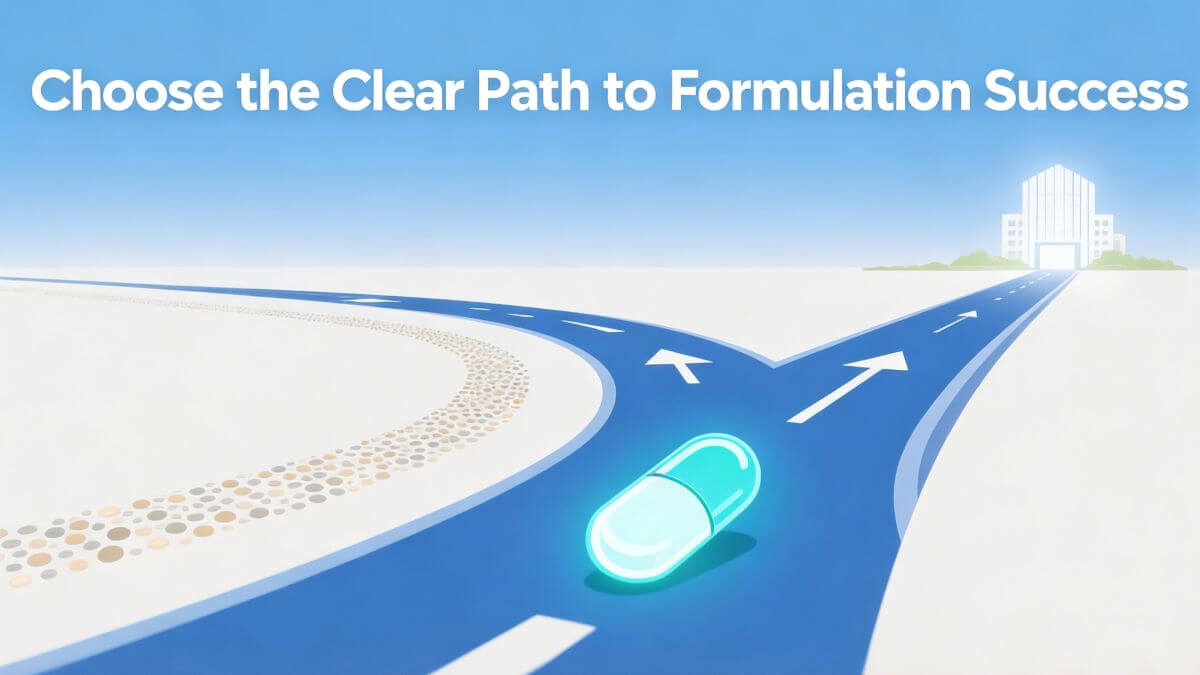
“Given how expensive it is… I’d say most people should skip it.” This blunt Reddit review about a premium anti-aging supplement gets to the heart of the industry’s core challenge: the critical gap between ambitious ingredient promises and inconsistent consumer results. With the global supplement market charging toward $402 billion, the cost of a poor sourcing decision has never been higher. Product developers are not just selecting molecules; they are making multi-million dollar bets on consumer trust and brand longevity.
This guide dissects that high-stakes decision-making process. We move beyond the hype to analyze why some ingredients fail in the marketplace despite promising lab results, and we provide a framework for strategically evaluating the new generation of targeted actives. A pivotal case study is the shift from generic “pomegranate extract” to standardized, high-purity Urolithin A powder. This shift directly addresses one of the most costly variables in formulation: human biological variability.
The Sourcing Paradox: When More Science Creates More Confusion
Today’s formulator faces an avalanche of data. The real challenge lies not in finding studies, but in identifying which ones translate into deliverable, consistent efficacy—the kind that prevents negative “no effect” reviews.
“Borrowed Science”: The Prevalent Pitfall That Undermines Brands
A dominant and risky industry practice is marketing an ingredient based on groundbreaking research conducted on a different form or purity of the compound. As industry leaders have noted, this “borrowed science” erodes long-term brand credibility. The disconnect often lies in the details: was the clinical trial performed on a 98% pure, specific isomer, while the commercial supply is a lower-grade, variable mix? For product developers, two critical questions emerge: Is the commercial material identical to the clinical trial material? and Is the clinically effective dose both achievable and cost-effective in my specific formulation? This scrutiny makes the supplier’s Certificate of Analysis (CoA) and direct clinical dossier non-negotiable components of due diligence.
Why “Natural Precursor” Is a Formulation Liability, Not a Virtue
The appeal of a whole-food ingredient like pomegranate extract is clear from a marketing perspective. However, for a formulator targeting a specific cellular pathway like mitophagy (cellular cleanup), it represents a profound and often unacceptable gamble. The active compound, Urolithin A, is not present in the extract; it must be produced in the consumer’s gut from precursor molecules called ellagitannins.
The commercial rupture is revealed by data: studies indicate that a substantial portion of the population—up to 40% in some cohorts—are “poor converters,” generating negligible amounts of active Urolithin A. This means you cannot guarantee a deliverable dose. You risk selling a promise that, for a significant segment of customers, is biologically impossible to fulfill. This is not a minor efficacy variation; it breaches the fundamental contract of quality assurance. Therefore, opting for a direct, standardized Urolithin A powder is a strategic choice to prioritize predictable pharmacokinetics over a potentially misleading “natural” label.
The Strategic Comparator Matrix: Beyond Mechanism to Market Reality
Selecting an ingredient requires a multi-dimensional analysis that balances biological promise with commercial pragmatism. The following framework evaluates key contenders across these decisive axes.
| Evaluation Dimension | Urolithin A | NMN / NR (NAD+ Boosters) | Fisetin (Senolytic) | Pomegranate Extract (Precursor) |
|---|---|---|---|---|
| Primary Mechanism | Stimulates mitophagy & mitochondrial function | Precursor to NAD+, supporting cellular energy & sirtuin activity | Senolytic (may clear senescent cells), antioxidant | Source of ellagitannins for gut conversion to Urolithin A |
| Clinical Evidence (Human RCTs) | Strong, with studies showing improved muscle endurance (up to 31%) and mitochondrial health in targeted populations. | Growing, but some high-profile studies show mixed results on NAD+ boosting in humans; regulatory status in flux (e.g., NMN). | Emerging and promising, but larger-scale human data is less extensive than robust preclinical signals. | General health benefits exist, but specific, reliable conversion to efficacious Urolithin A levels is not clinically demonstrated. |
| Key Sourcing & Formulation Hurdle | Ensuring high purity (>98%) and the correct bioavailable form from a validated source. | Regulatory ambiguity in key markets and stability challenges in liquid formulations. | Very low oral bioavailability (<10%); requires advanced (and costly) delivery systems for efficacy. | Unreliable conversion; impossible to guarantee a deliverable dose of the active target. |
| Formulation Stability | High. Stable powder suitable for capsules, tablets, and functional foods/beverages. | NMN can be unstable in acidic conditions or liquids; requires careful handling. | Challenging due to poor solubility and bioavailability issues. | Stable as an extract, but the active target (Urolithin A) is not present to degrade. |
| Cost-Efficiency (Per Guaranteed Active Dose) | Higher raw material cost, but standardized and clinically validated dose (e.g., 500mg) ensures a known cost-per-active-dose. | Varies widely; the cost for a biologically meaningful dose in humans can be high and uncertain. | Raw cost may seem moderate, but effective delivery technology (liposomes, etc.) can multiply the true cost. | Low raw material cost, but the “effective dose” of Urolithin A is not guaranteed, making true cost-per-benefit incalculable and risky. |
Interpreting the Data: Where Bioavailability and Safety Become Cost Drivers
The matrix highlights two technical factors that directly dictate commercial viability and risk.
Bioavailability Determines Real Cost-Per-Dose: An ingredient’s price per kilogram is misleading if most of it passes through the body unabsorbed. Fisetin’s sub-10% oral bioavailability is a stark example. This forces a difficult choice: accept likely underdosing and consumer disappointment, or invest in expensive delivery technologies (e.g., liposomes, nanoparticles), which dramatically increases complexity, unit cost, and time-to-market. In contrast, an ingredient with higher inherent bioavailability, such as Urolithin A (reported at 30-40%), provides a more straightforward, predictable, and often more economical path to a reliably efficacious finished product.
Safety Profiles Dictate Market Access and Scaling Potential: While NAD+ precursors are popular, scientific discussions around their effects at very high doses underscore a commercial reality: robust long-term safety data is a marketable asset. Urolithin A’s clean safety profile across multiple human trials, including in older populations, is not just a regulatory advantage—it reduces liability risk and enables faster, more confident scaling into diverse applications, from sports nutrition to active aging formulas.
The Urolithin A Blueprint: From Niche Molecule to Mainstream Ingredient
The commercialization path of Urolithin A offers a masterclass in how a sophisticated ingredient crosses the chasm from lab curiosity to a cornerstone of product lines, driven by dual-market growth.
Market Segmentation: The Telling Split Between Food-Grade and “Pharmaceutical-Grade” Demand
Market data reveals a strategic bifurcation. The global food-grade Urolithin A market is growing at a steady CAGR of 6.6%, reflecting its adoption in functional foods and supplements. However, the segment characterized by “pharmaceutical-grade” standards—implying exceptional purity, documentation, and clinical validation—is projected to expand at a CAGR of over 12%. This surge signals a crucial trend: leading brands are no longer buying a commodity powder; they are investing in auditable, science-backed supply chains as a core component of their value proposition. Certifications like FDA GRAS and NSF Sport are thus transformed from compliance checkboxes into powerful tools for brand differentiation and retailer approval.
Innovation Beyond the Molecule: Patents, Blends, and New Frontiers
Competition has escalated from supplying a compound to offering a complete technology and IP ecosystem. This evolution includes:
- Patent-Protected Advantages: Claims on specific crystalline forms, proprietary purification processes that eliminate impurities, or stabilization methods that enhance shelf-life in challenging formats like ready-to-drink beverages.
- Synergistic Formulation Data: Proprietary research on blends, such as combining Urolithin A with Fisetin, that aim for multiplicative or “1+1=3” effects on aging biomarkers. These blends allow for unique, defensible market claims that competitors cannot easily replicate.
- Cross-Category Application as a Growth Lever: The 2025 approval of Urolithin A as a cosmetic ingredient in China for “circadian rhythm” skincare is a bellwether. It demonstrates the ingredient’s versatility and opens lucrative, high-margin adjacent markets for supplement brands looking to expand into topical wellness.
Your Execution Strategy: A Checklist for Future-Proof Formulations
Turning analysis into a successful product requires a disciplined, checklist-driven approach to sourcing and development.
The Non-Negotiable Supplier Vetting Framework
Your ingredient supplier should be a strategic partner, not just a vendor. Evaluate them against these concrete criteria:
- Clinical Evidence Dossier: Demand and scrutinize the full human clinical studies performed on the exact material they supply. Cross-reference the dosage, purity (via CoA), and claimed outcomes.
- Quality Infrastructure & Transparency: Insist on audits and verify certifications relevant to your target markets (GRAS, NSF, ISO). Can they provide full traceability and guarantee batch-to-batch consistency?
- Technical Partnership Depth: A true partner provides comprehensive stability data for your specific application (e.g., pH, heat exposure) and offers genuine, collaborative formulation support to solve integration challenges.
Formulating for Credibility, Conversion, and Compliance
The final product must embody the science it’s built upon. Key considerations include:
- Leverage Format Flexibility: Urolithin A’s stability is a key asset. Consider innovative formats beyond capsules: single-serve powder sticks for the fitness market, gummies for daily adherence, or clear, stable additions to functional beverages.
- Communicate the “Why” with Transparency: Educate the end-consumer. Translate “mitophagy” into “helps renew your cells’ energy centers.” Be transparent about why you chose a direct, standardized form—this honesty is a powerful, trust-building differentiator in a skeptical market.
- Anchor Claims in Human Outcomes: Build your narrative on specific, relatable human study results—like “31% improvement in muscle endurance”—not just biochemical pathways. This connects the complex science to tangible consumer benefits.
The Strategic Verdict: Investing in Predictability Over Promises
The longevity market is undergoing a necessary maturation: from an arena of hyperbolic promises to one of evidenced-based, predictable outcomes. The winning strategy is no longer about stacking the most ingredients, but about curating the most credible ones. This necessitates a disciplined focus on ingredients with unambiguous mechanisms, robust human clinical validation, and supply chains capable of guaranteeing purity and precise dosage.
Urolithin A, in its standardized, high-purity form, exemplifies this shift. It solves the “pomegranate problem” by eliminating the metabolic lottery, transforming an unpredictable biological process into a reliable, quantifiable input. Its upfront cost is not merely an expense; it is an investment in brand reputation, consumer loyalty, and regulatory defensibility. For the discerning brand builder, the path forward is clear: move beyond the noise of borrowed science and invest in the predictable, powerful outcomes that will define the next era of anti-aging innovation.
Share this article
Found this helpful? Share it with others!
Related Products
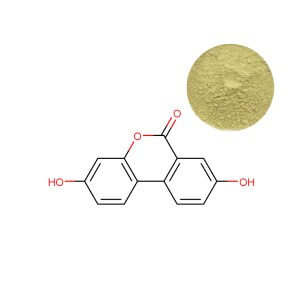
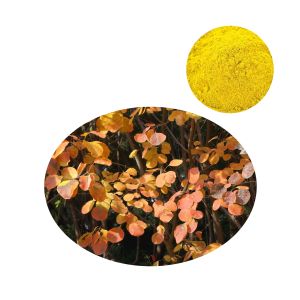
Products mentioned in this article
Related Articles
You might also be interested in
Beyond Single-Ingredient Longevity: Strategic Urolithin A Synergies for Next-Gen Mitochondrial & Cellular Health Formulations
Clinical data and supply constraints drive the pivot toward Urolithin A formulation stacks. Discover key raw material market dynamics, NMN synergies, and strategic sourcing solutions for next-gen cellular health products.
Overcoming Urolithin A Solubility & Cohesiveness: Industrial Scale-Up and Bioavailability Optimization in Solid Dosage Forms
Overcome Urolithin A solubility barriers and punch sticking in high-speed manufacturing. This guide details particle sizing, lipid wet granulation, and stability protocols for solid dosage lines.
Want to learn more?
Explore our products or contact our team for personalized solutions and expert advice.