
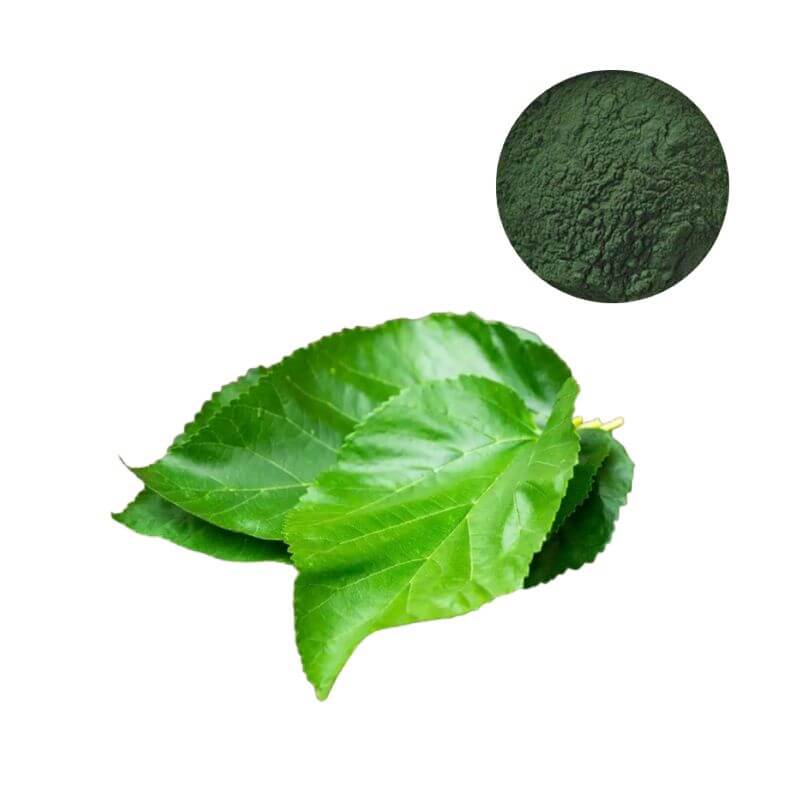
Sodium Copper Chlorophyllin Powder
| Product Name | Sodium Copper Chlorophyllin Powder |
| CAS Number | 28302-36-5, 11006-34-1 |
| Appearance | Dark green to blue-black powder |
| Purity | 95% / 98% min. (by UV-Vis) |
| Packaging | 1 kg/bag, 5 kg/bag, 25 kg/drum |
| MOQ | 1 kg |
Sodium Copper Chlorophyllin Powder (95%-98%): Stable Immune Modulation & Cellular Support for Advanced Supplement Lines
For brands developing next‑generation immune health or cellular support products, two challenges dominate: delivering measurable functional benefits while ensuring stability and regulatory compliance. Sodium Copper Chlorophyllin Powder—standardized to 95%‑98% purity—solves both. This water‑soluble, semi‑synthetic chlorophyll derivative serves as a stable natural‑origin colorant (E141ii) and a bioactive ingredient with documented immunomodulatory properties. Backed by GMP‑certified production and batch‑specific COA, bulk Sodium Copper Chlorophyllin offers the consistency required for global supplement lines, from powder mixes to capsules. For brands evaluating Sodium Copper Chlorophyllin supplier options, locking in a 95%‑98% purity grade with verified free copper control is a strategic move to ensure regulatory readiness, formulation flexibility, and a clear path to premium market positioning.
Scientific Foundation: Immunomodulation and Cellular Protection of Sodium Copper Chlorophyllin
Unlike many botanical extracts with vague mechanisms, Sodium Copper Chlorophyllin (SCC) exerts its effects through well‑defined pathways. A first‑in‑human trial administering high‑dose SCC (up to 3,000 mg) demonstrated excellent tolerability and confirmed a dual immunomodulatory/antiviral profile (doi: 10.1016/j.phymed.2025.157689). The study reported a dose‑dependent modulation of T‑cell activity and a 50% inhibitory concentration (IC₅₀) of approximately 1 μM against SARS‑CoV‑2 in vitro, with in vivo models showing reduced viral loads and lung pathology. From a strategic formulation perspective, this translates directly to a lower risk profile for brands—the ingredient's safety and efficacy have been validated in a clinical setting, reducing the uncertainty that often accompanies novel functional components. Key cellular benefits include:
- Free radical neutralization – SCC supports the body's natural antioxidant defenses, helping maintain cellular integrity under oxidative stress.
- Cytokine modulation – Research indicates a biphasic effect on inflammatory mediators, promoting balanced immune responses without overstimulation.
- Tissue repair support – Proteomic analyses reveal pathways linked to coagulation regulation and stem‑cell‑mediated healing, broadening application beyond immunity.
These mechanisms are not merely academic; they directly influence how formulators can position SCC‑based products—whether for daily immune support or post‑exertion recovery. Yet translating this science into a market‑ready ingredient requires uncompromising quality benchmarks, which we turn to next. This safety‑efficacy data allows brands to fast‑track product launches, as the ingredient's clinical foundation already satisfies key documentation requirements for immune health supplements, reducing time‑to‑market by months.
Quality Benchmarks: Why Free Copper and Absorbance Ratios Matter Beyond Purity
A premium Sodium Copper Chlorophyllin supplier distinguishes itself not by purity certificates alone, but by mastering secondary parameters that dictate safety and performance. For procurement teams, this means scrutinizing three specific metrics on each COA. The table below illustrates how these specifications translate into tangible product outcomes.
| Critical Parameter | Specification Range | Impact on Final Product |
|---|---|---|
| Free Copper (Ionic) | ≤ 200 mg/kg (0.02%) | Directly limits potential toxicity; meets FDA 21 CFR §73.125, safeguarding long‑term consumer safety. |
| Absorbance Ratio (A₄₀₅/A₆₃₀) | 3.4 – 3.9 | Confirms correct chlorophyllin composition; deviations indicate impurities that affect color stability and bioactivity. |
| Total Copper (Chelated) | 4.0% – 6.0% | Ensures copper is properly integrated into the porphyrin ring, essential for both color strength and antioxidant function. |
A recent comprehensive review on copper and zinc chlorophyllins underscores that these quality indicators correlate directly with antiviral and anti‑inflammatory efficiency in vivo (doi: 10.1080/10408398.2025.2524471). For procurement teams, this directly translates to a reduced compliance burden—suppliers who consistently meet these tight specifications provide a ready‑to‑use ingredient for FDA‑notified or EU‑compliant supplements. Furthermore, controlling free copper below 200 mg/kg eliminates a common red flag during regulatory audits. With such quality assurances in place, formulators can confidently integrate SCC into diverse delivery formats, as outlined below. For procurement, consistency in these metrics directly correlates with lower rejection rates and predictable production costs, protecting both margins and brand reputation while simplifying vendor qualification.
Formulation in Practice: Managing Stability, Synergy, and Delivery Systems
Even the most bioactive ingredient fails if it degrades during shelf life or causes processing headaches. Sodium Copper Chlorophyllin Powder is hygroscopic and sensitive to low pH (below 4.5) and prolonged light exposure. Practical experience across supplement manufacturers reveals three key formulation guidelines:
- Humidity control: Keep blending environments below 45% relative humidity to prevent clumping and preserve solubility in powder mixes.
- Avoid acidic co‑ingredients: Direct contact with ascorbic acid, fruit acids, or acidic flavors in wet systems can trigger precipitation. Use dry‑blend processes or encapsulate SCC separately.
- Packaging choice: Opaque, airtight containers (e.g., aluminum foil pouches for samples, HDPE drums for bulk) are non‑negotiable for maintaining color strength and activity over 24 months.
When optimizing synergy, SCC pairs effectively with complementary ingredients. The table below illustrates two evidence‑informed combinations:
| Co‑ingredient | Suggested Ratio (SCC : Partner) | Observed Benefit (Illustrative) |
|---|---|---|
| Zinc (as gluconate/citrate) | 2 : 1 (e.g., 100 mg SCC + 50 mg Zn) | Enhanced immune cell function; both modulate cytokine profiles via distinct pathways. |
| Vitamin C (dry, buffered) | 1 : 2 (e.g., 150 mg SCC + 300 mg Vit. C) | Potential synergistic antioxidant recycling; avoid direct wet mixing; use separate layers in tablets. |
From a strategic formulation perspective, these insights allow brands to innovate without trial‑and‑error waste. For example, a powdered immune support drink can be designed with SCC, zinc, and a natural sweetener, using low‑moisture excipients to maintain stability. A capsule format, on the other hand, offers better protection against humidity and acidic stomach conditions, making it ideal for higher‑dose SCC (150‑300 mg per serving). Having established practical formulation tactics, the next logical step is ensuring your supply chain delivers consistent, traceable material every time.
Mitigating Supply Chain Risk: A Checklist for Sourcing Bulk Sodium Copper Chlorophyllin
Selecting a reliable Sodium Copper Chlorophyllin supplier is as critical as the formulation itself. Below is a concise checklist that procurement leads can use to evaluate potential partners objectively. Each item represents a non‑negotiable industry standard rather than a “luxury” service.
- Batch‑specific COA with full heavy metals and free copper analysis – Confirm that every lot includes ICP‑MS data for Pb, As, Cd, Hg and a free copper value (≤ 200 mg/kg).
- GMP certification (e.g., NSF, SQF, or local equivalent) – Ensures audited processes for cross‑contamination control and documented batch consistency.
- Stability data package – Request 24‑month real‑time stability studies under recommended storage conditions (cool, dry, dark).
- Traceability from botanical source to final powder – The supplier should disclose the origin of mulberry leaves, alfalfa, or silkworm excrement used in the semi‑synthesis.
- Regulatory dossier support – Does the partner provide technical files for EU Novel Food (if required) or FDA NDI consultation? Proactive documentation accelerates market entry.
For procurement teams, this directly translates to de‑risked purchasing. A supplier that readily furnishes these items reduces your exposure to rejected shipments, costly re‑validations, and consumer safety issues. Equally important, such transparency allows you to build a resilient supply chain—multiple sourcing options with comparable quality data enable secondary backup strategies without re‑formulation. Prioritizing documented purity and heavy metal controls reduces the hidden costs of quality failures, making certified Sodium Copper Chlorophyllin a lower‑risk choice than loosely specified alternatives in any total cost of ownership analysis.
Accelerate Your Development with Technical Support and Verified Samples
The science, quality benchmarks, formulation tactics, and sourcing checklist above demonstrate that Sodium Copper Chlorophyllin Powder is far more than a simple colorant. It is a clinically‑backed functional ingredient ready for immune, cellular health, and tissue support applications. To move from planning to prototyping, request a complimentary sample and the complete technical dossier. This package includes a batch‑specific COA, stability summary, and formulation guide. Start your formulation de‑risking process today — a direct step toward a compliant, differentiated product line.
Frequently Asked Questions
Share this product
Related Products

Ready to get started?
Contact our team for technical specifications, pricing, and customized solutions.