
Breaking Berberine HCL Bioavailability Limits: Next-Gen Delivery Carriers and Frontier Glycemic Mechanisms
Explore how next-gen delivery systems, updated clinical evidence, and shifting global regulatory boundaries reshape berberine HCL formulation strategies to bypass absorption limits and safeguard market access.

Berberine HCL has become a formulation cornerstone, yet its systemic absorption remains below 1% - a critical bottleneck that undermines potent cellular activity. This analysis examines how R&D and procurement leaders can overcome this barrier through advanced delivery platforms, enabling lower effective doses without sacrificing metabolic support.
The Berberine Paradox: Clinically Active, Orally Restricted
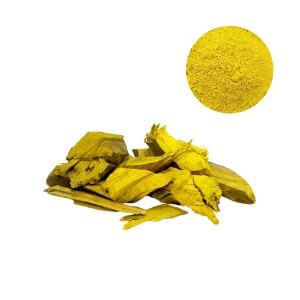
Berberine HCL is a quaternary ammonium alkaloid with documented effects on metabolic pathways, yet its oral bioavailability is fundamentally compromised. The primary barriers are P-glycoprotein (P-gp) efflux in the intestinal epithelium and extensive first-pass hepatic metabolism. Research confirms systemic absorption is typically less than 1%, meaning a conventional 1500 mg daily dose delivers under 15 mg of active compound to circulation.
This paradox poses a specific challenge: high doses provoke gastrointestinal intolerance, while lower doses fail to deliver measurable benefits. Resolving this demands formulation innovation rather than a raw material upgrade. High-purity berberine HCL powder serves as the logical foundation, yet its potential is only fully realized through advanced delivery architecture.
Next-Generation Delivery Platforms: Beyond Conventional Formulations
Recent advances in lipid-based nanocarrier systems provide a definitive resolution to the absorption bottleneck. Self-Microemulsifying Drug Delivery Systems (SMEDDS) represent a scalable, industrially viable approach. These isotropic mixtures spontaneously form fine oil-in-water microemulsions upon exposure to gastrointestinal fluids, encapsulating the active compound in nanoscale droplets that facilitate intestinal lymphatic transport and minimize P-gp recognition.
A published SMEDDS platform for Berberine HCL (rat model data) demonstrates mean droplet sizes of 47.2 nm and rapid self-emulsification within 26 seconds. The system achieves 93.1% in vitro release within 300 minutes in simulated intestinal fluid, while animal pharmacokinetic data confirms a 1.63-fold increase in systemic AUC compared with conventional tablets, translating to a 63% relative bioavailability gain. These quantitative parameters offer a clear pathway for dose reduction without sacrificing systemic exposure (Pharmaceutics, 2024; doi: 10.3390/pharmaceutics16091116). To further stabilize the lipid matrix and enhance antioxidant capacity, formulators often incorporate alpha-lipoic acid powder as a complementary component within the SMEDDS carrier system.
Clinical Evidence: Validating the Formulation Strategy
High-quality human data reinforces Berberine's clinical relevance. A 2026 multicenter, randomized, double-blind, placebo-controlled trial in JAMA Network Open (337 participants, 1 g/day for 6 months) demonstrated that berberine was associated with an LDL-C reduction of 7.72 mg/dL (P=0.008) and an ApoB reduction of 3.42 mg/dL (P=0.02), with an adverse event profile comparable to placebo.
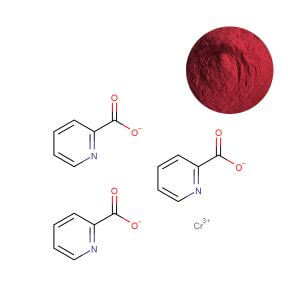
A 2025 RCT (1200 mg berberine plus 600 mg cinnamon daily for 12 weeks) confirmed significant reductions in fasting glucose (P=0.031), HbA1c (P=0.013), and LDL-C (P=0.039). Pairing Berberine with high-bioavailability chromium picolinate powder offers a dual-pathway approach to insulin sensitization and glucose homeostasis.
Key clinical performance metrics derived from recent RCTs include:
| Clinical Endpoint | Observed Change | Statistical Significance |
|---|---|---|
| LDL-C reduction (n=337, 6 months, 1 g/day) | -7.72 mg/dL | P=0.008 |
| ApoB reduction | -3.42 mg/dL | P=0.02 |
| HbA1c reduction (combined with Cinnamon, 12-week RCT) | Clinically significant | P=0.013 |
| NF-κB and HIF-1α gene expression (obese women, 8 weeks) | Significant reduction | P<0.05† |
† Source: RCT in obese middle-aged women (n=40, 1000 mg berberine/day + HIIT, 8 weeks); P<0.05
Pivoting from clinical endpoints to global regulatory frameworks, the same molecular characteristics that drive Berberine's biological activity - its quaternary ammonium structure and P-gp interaction - are now triggering divergent safety assessments across jurisdictions, directly compelling procurement teams to reevaluate sourcing strategies based on chemical form rather than botanical origin.
Regulatory Landscape: EFSA, FDA, and the Synthetic Exemption
The regulatory status of Berberine is undergoing an acute transformation. In January 2026, the EFSA NDA Panel adopted a draft opinion concluding that no safe intake level can be established for plant preparations containing Berberine, citing genotoxicity and hepatotoxicity concerns. While this draft poses a systemic risk to botanical extracts, it explicitly excludes synthetic forms of Berberine, which are excluded from the plant preparation assessment and may be subject to Novel Food regulation based on EU use history.
For brands relying on botanical Berberine extracts, the EFSA draft opinion effectively signals a countdown to EU market exclusion.
This regulatory bifurcation creates a distinct compliance opportunity. The distinction between herbal extracts and high-purity Berberine HCL is now a strategic determinant of EU market access, not merely a labeling issue. The FDA maintains a permissive stance under DSHEA, yet enforcement actions - such as the January 2026 warning letter to Supersmart USA for unauthorized disease claims - demonstrate that compliance boundaries are actively enforced. Brands that preemptively transition to synthetic-grade Berberine HCL and secure third-party purity certifications are effectively building a regulatory moat, insulating their product portfolios from future EU restrictions while capturing premium positioning as the botanical supply chain contracts.
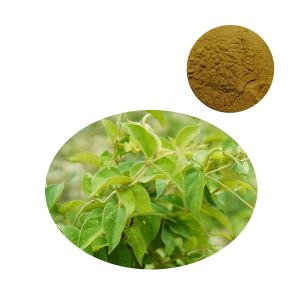
When formulating multi-ingredient products for global markets, standardized gymnema sylvestre extract powder is often incorporated alongside Berberine HCL, providing a complementary mechanism that reduces intestinal sugar absorption while the primary active addresses systemic metabolism.
Critical global compliance thresholds include:
- EFSA (EU): Plant-based forms face pending restrictions; synthetic Berberine HCL is excluded from the current safety opinion and falls under Novel Food assessment.
- FDA (US): Dietary supplement under DSHEA; structure-function claims permitted only with disclaimer. Disease claims prohibited.
- TGA (Australia): AUST L listed medicine; traditional uses limited to "bitter tonic" and "gastric stimulant."
- France (ANSES): An indicative toxicity value (iTV) of 1.7 μg/kg bw/day - derived from a rodent LOAEL with a 750-fold uncertainty factor - equates to ~0.1 mg/day for a 60 kg adult. This serves as a highly conservative toxicological reference point, not a recommended intake level.
Formulation Synergies: Building the Metabolic Health Matrix
To maximize the functional benefit of high-purity Berberine HCL, formulation scientists often pair it with complementary actives that target distinct yet interconnected pathways, allowing for reduced individual ingredient doses while achieving synergistic metabolic effects.
| Synergistic Ingredient | Mechanism of Action | Complementary Benefit |
|---|---|---|
| Alpha-Lipoic Acid | AMPK activation and antioxidant defense | Enhances insulin sensitivity and reduces oxidative stress |
| Chromium Picolinate | Insulin receptor sensitization | Improves GLUT-4 translocation, reinforcing glycemic control |
| Gymnema Sylvestre | Reduces intestinal sugar absorption | Decreases postprandial glucose spikes |
Industrial-Scale Manufacturing and Supply Chain Integrity
As the regulatory landscape tightens, supply chain transparency becomes a competitive differentiator. The EFSA draft opinion has created a compliance advantage for non-plant-based Berberine HCL, yet this advantage hinges on strict process controls. The choice between botanical extraction and high-purity synthetic production directly determines both purity and the trace impurity profile - key variables that influence regulatory acceptance in sensitive markets.
For strategic sourcing teams, key due diligence criteria include validated chiral purity, absence of process-related impurities, and alignment with strict quality standards for dietary supplements. Facilities operating to the rigorous specifications associated with Oclean Nutra are increasingly preferred by premium brands, as they provide the documentation and audit transparency necessary to navigate the tightening global compliance environment.
Key supply chain decision metrics include:
- HPLC purity confirmation at 345 nm (C18 column, Rt ~5.14 min) per ICH Q2 R1 methods.
- Photostability: reference data from chromatographic comparison studies indicates approximately 8.8% degradation of Berberine HCL under light exposure, highlighting the need for appropriate packaging and antioxidant co-formulation.
- Process validation confirming that degradation products do not overlap with the active peak.
Conclusion: Strategic Positioning for the Next Decade
The Berberine HCL market is evolving from botanical to high-tech formulation, with synthetic high-purity grades ensuring continued EU access as plant-based extracts face regulatory headwinds. For R&D and sourcing leaders, the edge lies in advanced delivery platforms, validated formulation matrices, and transparent supply chains - investments that reduce regulatory risk and meet consumer demand for science-backed metabolic health products. Advanced samples, technical dossiers, and regulatory summaries are available for qualified teams. Contact the technical sourcing group for a confidential evaluation of high-purity Berberine HCL and its synergistic matrix for your next-generation pipeline. Inquire about technical documentation and prototype support.
Share this article
Found this helpful? Share it with others!
Related Products
Products mentioned in this article
Related Articles
You might also be interested in
Berberine HCl vs. Phytosome vs. Dihydroberberine: A B2B Selection Guide to Bioavailability, Formulating Cost, and Global Compliance
Scale metabolic formulations with confidence. This B2B guide compares Berberine HCL, Phytosome, and Dihydroberberine across bioavailability, powder processing, Cost-in-Use, and global compliance to streamline procurement decisions.
Want to learn more?
Explore our products or contact our team for personalized solutions and expert advice.