
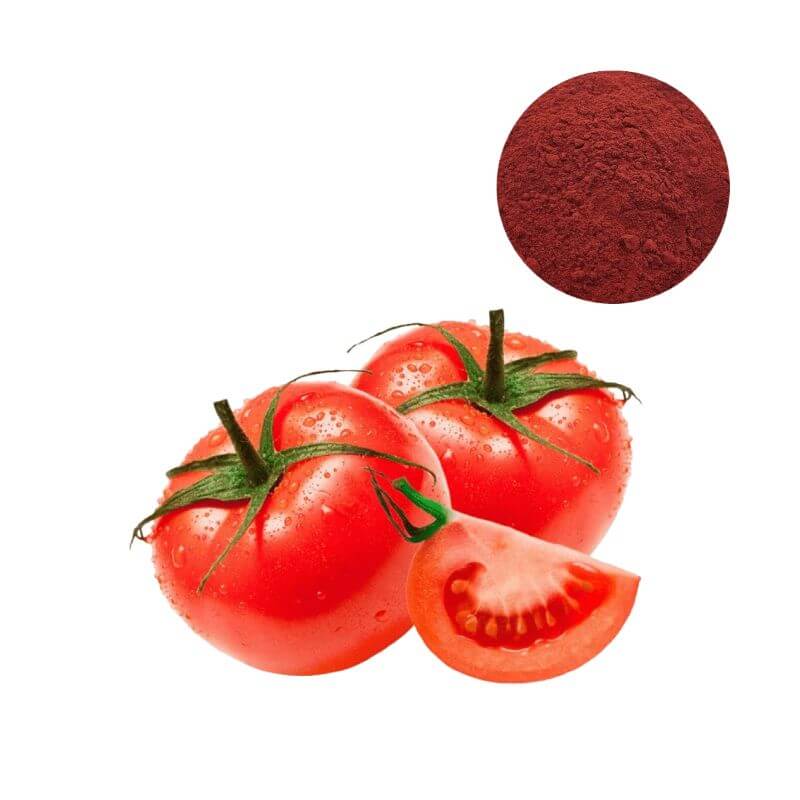
Lycopene Powder
| Product Name | Lycopene Powder (Tomato Extract) |
| CAS Number | 502-65-8 |
| Appearance | Deep red to reddish-brown fine powder |
| Purity | 5.0%, 10.0%, 20.0% min. (by HPLC) |
| Packaging | 1 kg/bag, 5 kg/bag, 25 kg/drum |
| MOQ | 1 kg |
Standardized Lycopene CWD Powder: Industrial Stability Solutions for High-Speed Nutraceutical Production
The hygroscopicity profile of bulk lycopene powder directly determines its fate during high-speed encapsulation and cross-border logistics, eliminating column-binding and caking risks that typically trigger unplanned production stoppages. Spec-verified distributors prioritize physical resilience over label purity alone, since microcapsule wall integrity under thermal stress dictates actual active delivery. Lot-to-lot consistency is secured through standardized HPLC assay protocols and real-time stability monitoring, guaranteeing that each 25 kg drum performs identically across multiple CMO production campaigns. In a crowded marketplace, this physical specification serves as the primary lever for product differentiation, directly influencing both consumer-perceived quality and the brand's formulation consistency across batches.
CWD Microencapsulated Lycopene Powder: Physical Resilience Under Cross-Border Air Freight Stress
Standardized 5-20% CWD powders rely on modified starch or gum arabic wall matrices to shield the lipophilic core. The primary failure mode during air freight involves microcapsule wall rupture triggered by cabin pressure differentials and tarmac temperature spikes, releasing the oil phase and initiating oxidation.
| Physical Stress Parameter | Observed Impact on Microcapsule Integrity | Industrial Consequence |
|---|---|---|
| Cabin pressure drop to 0.75 atm | Entrapped air expansion causes wall micro-fractures | Oil phase exudation and surface stickiness |
| Tarmac temperature ≥ 50°C | Wall polymer glass transition (Tg ~ 56°C) exceeds threshold | Wall softening and accelerated oxygen permeation |
| Relative humidity fluctuation 20-80% RH | Hygroscopic wall matrices absorb moisture | Powder caking and flowability loss |
Utilizing the Oclean Nutra grade inert-gas-flushed aluminum laminate packaging depresses oxygen ingress below 0.1 cc/m²·day and maintains residual moisture within COA limits. This physical protection ensures powder flowability (angle of repose ≤ 40°) remains unchanged upon arrival, directly preserving high-speed capsule filling weight uniformity (RSD < 2%) and eliminating the 3-5% reject rate typically attributed to feed-silo bridging during extended production campaigns. Procurement directors benefit directly from this physical resilience, as it prevents moisture-related degradation and oxidative discoloration during transit, securing batch consistency from origin to production line.
Bulk Lycopene CWD Powder: Aqueous Dispersion Integrity and Shear-Thinning Behavior in Liquid Formulations
Liquid-ready formulations demand rapid self-emulsification upon hydration, yet unmilled lycopene particles exhibit poor wettability. Without precise particle engineering, functional beverages suffer from surface oil-ring formation and prolonged reconstitution times, undermining consumer acceptance and brand consistency.
- Emulsion Droplet Size Control: Particle size distribution (D90 ≤ 200 nm) correlates directly with visual clarity and light scattering stability. Coarse droplets (D90 > 500 nm) exhibit rapid Ostwald ripening, leading to sedimentation and phase separation within 6-8 weeks of ambient storage.
- Shear-Thinning Rheology: Liquid formulations require shear-thinning behavior (fluidity index n < 1.0) to ensure efficient pumping through high-speed filling lines and consistent dosing across bottling shifts.
- Cold-Water Dispersibility: The CWD grade enables direct dissolution without heating or vigorous mixing, supporting the growing demand for cold-processed, clean-label liquid shots and stick-pack beverages.
Maintaining aqueous dispersion integrity directly reduces formulation waste and rework labor by eliminating the need for costly homogenization retrofits or extended mixing cycles, resulting in shorter batch turnaround and lower energy consumption per production run.
Lipid-Based Synergistic Blending with MCT and Phospholipids for Bioavailability
Lycopene's extreme lipophilicity imposes a strict requirement on delivery system architecture. The most effective strategy involves co-delivery with medium-chain triglycerides (medium-chain triglyceride powder) and phospholipids in a self-emulsifying drug delivery system (SEDS) framework, where the surfactant-to-oil ratio (SOR) dictates intestinal lipolysis kinetics and final absorption.
- MCT-Based SEDS Performance: Formulations optimized at HLB 10.72 and SOR 1.00 achieve duodenal cumulative lipolysis of 1.1-2.1 mEq/g and jejunal release of 1.6-2.2 mEq/g, ensuring consistent lipolysis across intestinal segments and minimizing inter-individual absorption variability.
- Dual-Carotenoid Synergy: Pairing lycopene with natural astaxanthin powder creates a membrane-depth complementary antioxidant network, covering both the lipid bilayer core and interfacial regions to intercept peroxyl radicals across different oxidative attack vectors.
- Vegetable-Based Gummy Integration: The CWD-grade powder directly disperses in warm pectin-gelatin systems (≤ 60°C) without requiring organic solvents, enabling brand R&D teams to formulate high-stability, clean-label gummy applications targeting the photoprotection and post-exposure recovery segment, validated through published formulation protocols.
Lycopene-loaded self-emulsifying delivery systems formulated at HLB 10.72 with a 1.00 surfactant-to-oil ratio achieve duodenal lipolysis release of 1.1-2.1 mEq/g and jejunal release of 1.6-2.2 mEq/g, with droplet sizes controlled between 181 and 572 nm (Foods, 2025; doi: 10.3390/foods14234162). These formulation parameters directly inform softgel and functional beverage developers seeking to maximize hydrophobic bioactive delivery efficiency through low-energy emulsification strategies.
Quantitative Mechanistic Evidence through Nrf2/NF-κB Pathway Interception
Brand R&D teams increasingly demand quantifiable mechanism-of-action data to substantiate label claims. Lycopene's antioxidant defense operates through a dual-pathway network: direct physical quenching of singlet oxygen and indirect upregulation of endogenous antioxidant enzymes via Nrf2/ARE activation, alongside NF-κB suppression to curtail inflammation-driven oxidative cascades.
| Mechanistic Pathway | Observed Effect | Concentration Range |
|---|---|---|
| Nrf2/ARE activation | Upregulation of HO-1 and NQO1 enzymes | 0.5-5 μM |
| NF-κB suppression | Reduced nuclear translocation of p65 subunit | 0.5-5 μM |
| Direct 1O2 quenching | Rate constant k = 3.1 × 10¹⁰ M-1·s-1 | All physiological levels |
A 2023 randomized, double-blind, placebo-controlled trial demonstrated that 20 mg/day of lycopene for 8 weeks significantly lowered prooxidant-antioxidant balance (PAB) and C-reactive protein (CRP) in 80 metabolic syndrome patients (Cell Journal, 2023; doi: 10.22074/cellj.2023.2006158.1353). These validated clinical biomarkers directly confirm the Nrf2/NF-κB-mediated antioxidant and anti-inflammatory mechanisms outlined above, providing formulation scientists with quantifiable, human-relevant endpoints for metabolic health product development. Applying these mechanistic insights upstream in the formulation design phase supports a more targeted approach to bioactivity, reducing the need for empirical trial-and-error during prototype development.
Regulatory Compliance Architecture for US and EU Market Access
Regulatory divergence between the U.S. and EU markets presents a critical gatekeeping challenge. U.S. regulators classify lycopene tomato extract under GRAS provisions with an established permanent color additive listing, while the EU subjects fermentation-derived material to Novel Food authorization under Regulation (EU) 2015/2283, each with distinct labeling and documentation requirements.
- U.S. FDA Compliance Baseline: GRAS Notice No. 119 (2003) for synthetic lycopene, plus permanent listing at 21 CFR § 73.585 for tomato extract/concentrate. No NDIN filing required for conventional extract forms. Daily intake up to 75 mg is supported by clinical tolerance data.
- EU Novel Food Framework: Blakeslea trispora-derived lycopene requires specific authorization, with an established ADI of 0.5 mg/kg bw/day (EFSA, 2017). Yellow tomato extract (phytoene/phytofluene-rich, lycopene < 0.4%) received positive safety opinion in May 2025 (EFSA Journal 2025;23(5):e9373).
- Prohibited Claims Across Both Jurisdictions: Any disease-risk reduction statement (e.g., prostate cancer, cardiovascular disease prevention) remains strictly prohibited under Article 14 Health Claims, requiring rigorous label review prior to market launch.
Building a compliant import dossier that addresses both FDA FSVP traceability requirements and EU CSDDD supply chain transparency provisions eliminates customs detention exposure. Verified documentation packages reduce the average 10-15 day release delay commonly experienced during routine border inspections, accelerating the procurement-to-production cycle. A thoroughly documented compliance package not only satisfies border inspection requirements but also shortens the typical 4-6 week regulatory review cycle, supporting faster market entry timelines.
Securing Supply Chain Continuity through Verified Technical Dossiers
Global supply concentration and tightening regulatory frameworks demand proactive documentation strategies. Spec-verified lycopene powder from validated sources supports seamless supplier onboarding, eliminating the average 4-6 week technical review bottleneck. Requesting batch-specific documentation before purchase ensures production-line continuity and protects brand launch timelines. Request spec-verified lycopene powder with complete technical dossier
Frequently Asked Questions
Share this product
Related Products
Ready to get started?
Contact our team for technical specifications, pricing, and customized solutions.