
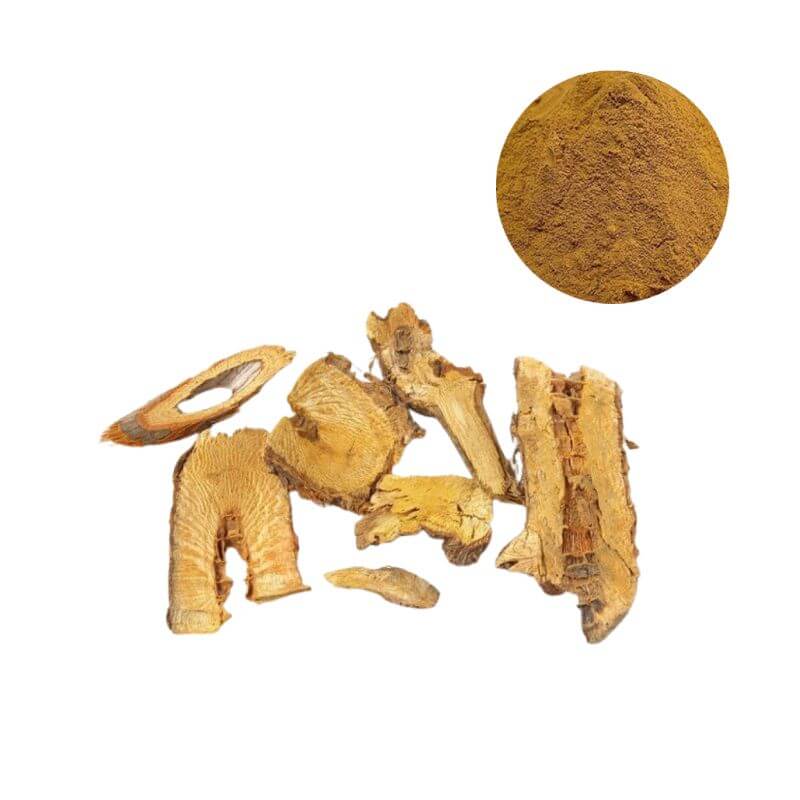
Polygonum Cuspidatum Extract Powder
| Product Name | Polygonum Cuspidatum Extract Powder |
| CAS Number | 501-36-0 |
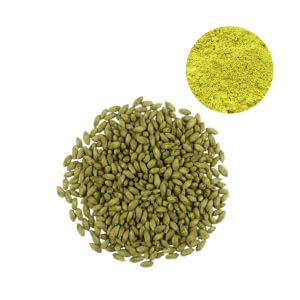
| Appearance | Yellow-brown to tan fine powder |
| Purity | 50.0% min. Trans-Resveratrol (by HPLC) |
| Packaging | 1 kg/bag, 5 kg/bag, 25 kg/drum |
| MOQ | 1 kg |
Standardized Polygonum Cuspidatum Extract for High-Performance Nutraceutical Production
The HPLC-validated fingerprinting of bulk Polygonum Cuspidatum Extract Powder from a spec-verified supplier directly eliminates batch-to-batch variability that undermines finished-product stability in high-speed encapsulation lines. The full-spectrum botanical matrix retains natural polydatin and stilbene profiles - offering formulators a measurable pathway to reproducible bioactivity without the purification losses of crystalline isolates. Lot-to-lot consistency is secured through mandatory chromatographic profiling per batch, with technical dossiers archived for immediate R&D audit access.
The Multi-Target Mechanism: Why Phytochemical Synergy Outperforms Isolated Compounds
From a strategic formulation perspective, understanding the mechanism of action is the first step in creating a product that withstands market scrutiny. The physiological value of Polygonum Cuspidatum Extract extends far beyond simple oxidative stress mitigation. At its core, Trans-Resveratrol acts as a potent activator of the SIRT1 pathway and AMPK, which are key regulators of cellular energy metabolism and mitochondrial biogenesis. However, from a pharmaceutical and nutraceutical standpoint, the "whole-herb" approach provided by a 50% extract offers a broader therapeutic window than a 98% isolate. Recent mechanistic reviews have highlighted that the bioactive constituents of Polygonum cuspidatum, including its specific stilbene distribution, demonstrate multi-pathway modulatory activity relevant to hepatic cellular health (Fitoterapia, 2025; doi: 10.1016/j.fitote.2025.106938).
This implies that for the end-consumer, the 50% extract grade provides a systemic biological response rather than a single-point intervention. For instance, while resveratrol supports cardiovascular health, the accompanying plant polyphenols in the 50% matrix can aid in stabilizing the active molecule during digestion, potentially influencing its metabolic fate. This essentially allows a brand to market a "bio-optimized" formula that leverages nature's inherent delivery system. For developers, this translates to a more robust marketing narrative backed by cellular science, moving beyond the "one-molecule" approach to a more holistic, nature-identical solution. Brands purchasing Polygonum Cuspidatum Extract in this standardized form invest in a synergy that aligns with the growing consumer preference for plant-derived authenticity without sacrificing clinical efficacy.
Quality Benchmarks: Navigating Emodin Control and Botanical Fingerprinting
In the context of risk mitigation, evaluating a Polygonum Cuspidatum Extract supplier requires looking beyond purity percentages to identify true quality benchmarks. A sophisticated procurement strategy prioritizes the management of Emodin - a natural anthraquinone that induces significant laxative effects in uncontrolled amounts. In the botanical extraction industry, a premium 50% extract features a strictly controlled Emodin level of ≤ 1.0% (by HPLC). This is a critical differentiator from lower-grade, commodity wholesale Polygonum Cuspidatum Extract. For brands targeting the premium wellness space, this control is vital; high Emodin content is a common cause of consumer dissatisfaction and product returns in the "digestive sensitivity" demographic, directly impacting the product's lifetime value (LTV).
| Quality Indicator | Standard Benchmark | Impact on Finished Product |
|---|---|---|
| Trans-Resveratrol Assay | Min. 50.0% (HPLC) | Ensures accurate dosage and label claim compliance. |
| Emodin Content | ≤ 1.0% (Strict Control) | Reduces risk of gastrointestinal side effects for consumers. |
| Microbiological Purity | Absent Pseudomonas aeruginosa | Guarantees safety in encapsulated or powdered drink applications. |
| Particle Size | ≥ 95% through 80 mesh | Optimizes flowability for high-speed encapsulation machinery. |
Furthermore, certified Polygonum Cuspidatum Extract must undergo rigorous fingerprinting to ensure the absence of PAHs (Polycyclic Aromatic Hydrocarbons) and heavy metal contaminants, which are inherent risks in root-derived ingredients. Practically speaking, a comprehensive COA (Certificate of Analysis) should detail not only the Trans-Resveratrol assay but also the absence of contaminants. This ensures no "hidden" impurities jeopardize your regulatory standing. Utilizing a GMP Polygonum Cuspidatum Extract ensures that the raw material meets both US and EU regulatory frameworks, significantly reducing the "Total Cost of Ownership" by avoiding batch rejections and ensuring faster time-to-market for new SKUs. For an experienced procurement officer, this transparency is the most effective safeguard against supply chain disruption.
Formulation in Practice: Optimizing Stability and Bioavailable Synergy
Successfully incorporating bulk Polygonum Cuspidatum Extract into a stable dosage form requires an understanding of its physical properties to avoid common manufacturing pitfalls. The 50% extract presents as a yellow-brown powder with naturally occurring fiber content, which can influence hygroscopic behavior during processing. For production teams, maintaining environmental humidity below 45% during blending and encapsulation has proven more effective at preventing clumping than relying solely on increased flow agents. This approach enables formulators to preserve a cleaner label by minimizing unnecessary excipients. For enhanced systemic absorption, quercetin dihydrate powder is frequently incorporated to inhibit glucuronidation of resveratrol in the liver, while piperine black pepper extract supports intestinal permeability for polyphenols.
| Synergistic Ingredient | Target Health Goal | Mechanism of Benefit |
|---|---|---|
| Quercetin Dihydrate | Bioavailability Enhancement | Inhibits glucuronidation of resveratrol in the liver. |
| Piperine | Absorption Optimization | Increases intestinal permeability for polyphenols. |
| NMN (Nicotinamide Mononucleotide) | Cellular Anti-Aging | Synergistically boosts NAD+ levels and SIRT1 activity. |
| Vitamin C | Stability & Antioxidant Profile | Prevents premature oxidation of the extract matrix. |
For powdered drink mixes, the 50% grade offers a natural herbal aesthetic that aligns with botanical branding strategies. In dry capsule applications, the extract provides an excellent foundation for Clean Label claims, as its inherent fiber matrix requires fewer synthetic stabilizers to maintain physical integrity compared to highly refined alternatives. When targeting cellular anti-aging pathways, NMN powder is often combined with resveratrol to synergistically boost NAD+ levels and SIRT1 activity. This combination enables brands to market a whole-root concentrate that balances scientific validation with natural positioning. From a procurement perspective, this formulation approach supports higher perceived product value, as consumers increasingly associate botanical complexity with premium health benefits.
Market Trends: Leveraging Clinical Proof for Sarcopenia and Muscle Health
The longevity market is expanding beyond the "anti-wrinkle" narrative into functional aging, focusing specifically on maintaining motor function and muscle mass. Recent phase IIa clinical studies have demonstrated that resveratrol supplementation can significantly support motor function and muscle strength in the context of age-related functional decline (Scientific Reports, 2020; doi: 10.1038/s41598-020-77197-6). This specific clinical insight allows brands to reposition Polygonum Cuspidatum Extract for "Sports Nutrition for Seniors" or "Active Aging" categories, which are currently experiencing high double-digit growth. This represents a significant white-space opportunity for brands that can translate this data into clear consumer benefits.
Positioning the ingredient in these niches - rather than the generic "antioxidant" category - supports higher price premiums and stronger consumer loyalty. The 50% extract is particularly suited for this because its natural phytochemical profile is perceived as a "safer, traditional" choice by the older demographic. By providing a product that supports muscle integrity and metabolic resilience, brands can address the primary pain points of the aging population. From a competitive standpoint, this evidence-based approach builds an "entry barrier" against competitors who rely purely on price. Ultimately, the shift from "feeling younger" to "moving better" is a trend that procurement and marketing teams must align on to maximize the ROI of their ingredient sourcing.
Supply-Chain Compliance Verification for Bulk Specification Alignment
Securing a qualified Polygonum Cuspidatum Extract supply stream requires more than COA review - it demands a proactive approach to geopolitical sourcing risks and cross-border logistics volatility. With tightening procurement access in primary cultivation regions, establishing a verified compliance inventory prior to production scheduling has become a critical hedge against line stoppages and batch rejection penalties. Oclean Nutra maintains dedicated inventory buffers and complete audit-ready documentation to support uninterrupted manufacturing workflows. Secure Spec-Verified Polygonum Cuspidatum Extract with Full Dossier to validate batch-specific HPLC fingerprints and emodin controls against your internal specification matrix before commitment.
Frequently Asked Questions
Share this product
Related Products
Ready to get started?
Contact our team for technical specifications, pricing, and customized solutions.