
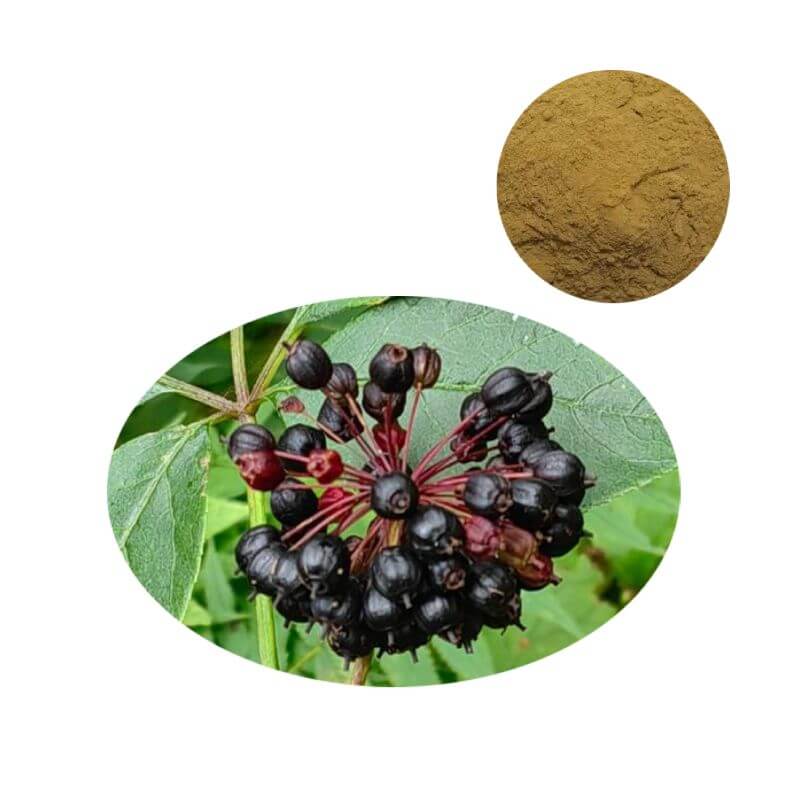
Siberian Ginseng Extract Powder
| Product Name | Siberian Ginseng Extract Powder |
| CAS Number | 7374-79-0 (Eleutheroside B); 39432-56-9 (Eleutheroside E) |
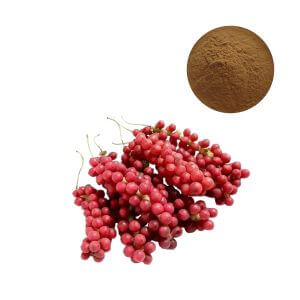
| Appearance | Yellow-brown to brown fine powder |
| Purity | 0.8%, 1.2%, 1.5% Eleutherosides (B+E) (by HPLC) |
| Packaging | 1 kg/foil bag; 25 kg/paper drum |
| MOQ | 1 kg |
Siberian Ginseng Extract Powder (0.8%-1.5% Eleutherosides B+E): A Standardized Adaptogen for Cognitive & Sports Nutrition Formulations
Formulating a truly differentiated endurance or stress-management product requires more than adding a botanical name to the label. The challenge lies in ensuring batch‑to‑batch consistency of active markers, especially for adaptogens like Eleutherococcus senticosus. Premium Siberian Ginseng Extract Powder typically features a guaranteed minimum of 0.8%–1.5% eleutherosides B+E (HPLC‑verified) — the industry’s key quality benchmark. For brands sourcing bulk Siberian ginseng extract, this specification directly determines whether the finished supplement can deliver reproducible adaptogenic benefits or merely a generic herbal claim. A 2021 narrative review of Russian clinical literature further reinforces its traditional use for asthenia and fatigue, underscoring why a standardized marker approach is non‑negotiable for serious formulators. In today’s crowded adaptogen market, locking in a verified eleutheroside profile is the single most effective way to build a defensible scientific claim and justify premium pricing on retail shelves.
The Science of Adaptogenic Resilience: From Molecular Pathways to Consumer Benefits
The adaptogenic profile of Siberian ginseng extract is driven by its unique phenylpropanoid and lignan glycosides — primarily eleutheroside B (syringin) and eleutheroside E. A 2025 comprehensive review highlights that these compounds act through a dual mechanism: anti‑inflammatory modulation (inhibiting MAPKs, Akt and NF‑κB activation) and neuroprotection via increasing brain‑derived neurotrophic factor (BDNF) 10.3389/fphar.2025.1683795. This explains why the extract supports physical endurance and mental performance under fatigue without acting as a stimulant. For instance, one double‑blind trial showed a 12% increase in VO₂ peak and a 23% longer endurance time after eight weeks of supplementation — quantifiable endpoints that directly support product positioning around stamina and recovery. From a strategic formulation perspective, this mechanistic clarity allows R&D teams to position the ingredient not as a generic “energy booster” but as a physiological stress buffer, a key differentiator for premium sports nutrition or nootropic blends. Practically speaking, a 0.8% eleutheroside standard ensures that each batch delivers the same anti‑fatigue potential, a necessity for brands targeting evidence‑based claims. For brand owners, this level of reproducibility means reduced risk of consumer disappointment and higher repeat purchase rates — because the end‑user experiences consistent results every time.
Quality Benchmarks: Why Eleutheroside Standardization Matters More Than “High Purity”
In B2B trade, the most reliable bulk Siberian ginseng extract is defined by its eleutheroside B+E content, not by vague “purity” percentages. USP reference standards require ≥0.8% eleutherosides for powdered extract, while premium grades (1.2% or 1.5%) are available for high‑potency formulations. Key sourcing considerations include:
- Marker‑specific HPLC assay — ensures the declared eleutheroside level is actually present, avoiding dilution with inactive fillers.
- Syringin as an identity marker — distinguishes Eleutherococcus senticosus from other Panax species, a critical authenticity check.
- Full heavy metal & microbial COA — typical limits: Pb ≤2.0 mg/kg, As ≤1.0 mg/kg, Cd ≤1.0 mg/kg, Hg ≤0.1 mg/kg, with total plate count ≤1,000 CFU/g.
For procurement teams, this directly translates to reduced compliance risk and consistent clinical outcomes. A certified COA from a GMP‑aligned supplier (like Oclean Nutra’s documentation service) eliminates guesswork when filing NDI or Novel Food dossiers. Additionally, full compliance with USP <61>, <62>, and <731> ensures the extract meets global pharmacopoeial standards — a requirement often overlooked by low‑cost suppliers, yet critical for avoiding customs delays or failed audits. Moreover, choosing a 1.5% grade may increase unit cost, but it allows smaller capsule sizes; a clear advantage for premium direct‑to‑consumer brands where swallowing experience drives repeat purchases. From a formulation efficiency standpoint, investing in a higher‑spec grade shrinks capsule dimensions, reduces excipient load, and directly improves patient compliance — a hidden lever for brand differentiation that most competitors miss.
Formulation in Practice: Dosage, Synergy & Stability Solutions
Effective integration of Siberian ginseng extract powder into finished products requires attention to three practical areas: dosage windows, synergistic pairs, and environmental stability. Based on clinical data and industry practice, the typical daily dose of a 0.8% standardized extract ranges from 300 mg to 1,200 mg. Below is a reference for common finished formats:
| Dosage Form | Recommended Inclusion | Key Formulation Note |
|---|---|---|
| Hard capsules / tablets | 300‑600 mg per serving | Direct blending; ensure flow agent (e.g., silica) ≤1% to avoid segregation. |
| Stick packs / drink powders | 500‑800 mg per serving | Requires flavor‑masking (natural sweeteners or citrus terpenes) due to inherent bitterness. |
| Functional gummies | 250‑400 mg per piece | Heat‑sensitive; add after cooling phase (<50°C) to preserve eleutherosides. |
Synergistic combinations further enhance the ingredient’s value. Pairing Siberian ginseng extract with Rhodiola rosea (3% Rosavins) or Schisandra chinensis creates a multi‑adaptogen matrix that addresses both physical fatigue and cognitive load — a proven strategy in commercial sports nutrition formulas. A typical synergistic stack combines 400 mg Siberian ginseng extract with 200 mg Rhodiola rosea (3% rosavins) per serving, targeting both mental focus and physical recovery in active adults. From a stability standpoint, the powder is hygroscopic and photosensitive. An effective formulation requires storage in airtight, light‑resistant packaging and production environments with relative humidity below 50%. It’s worth noting that even the best packaging cannot compensate for poor moisture control during blending; thus, a dedicated low‑humidity manufacturing suite is a practical differentiator for serious brands.
Supply Chain Resilience & Risk Mitigation: What Every Procurement Lead Must Verify
When sourcing bulk Siberian ginseng extract, price per kilogram is only one variable. A truly resilient supply chain for this botanical ingredient hinges on traceability and quality system transparency. Below is a checklist derived from industry best practices:
- Auditable botanical origin — wild‑harvested or cultivated Eleutherococcus senticosus from Northeast China / Siberia, with clear documentation.
- Batch‑specific COA — must include HPLC chromatogram for eleutherosides B+E, heavy metals, residual solvents, and microbiology (including Pseudomonas aeruginosa).
- GMP + FSSC 22000 certification — ensures the extract is processed under allergen control and cross‑contamination prevention.
- Lead time & safety stock — a reliable distributor maintains at least 3‑6 months of inventory for core specifications (0.8% / 1.2% / 1.5%).
From a procurement perspective, this directly translates to lower total cost of ownership: avoiding production stoppages, failed quality audits, or product recalls. It is also worth noting that third‑party certifications (e.g., organic or fair wild harvest) are becoming baseline expectations for EU retailers, not just nice‑to‑have features. Moreover, the 2025 review 10.3390/molecules30122512 highlights that Eleutherococcus senticosus is becoming increasingly vulnerable in wild populations, making sustainable sourcing a future‑proofing factor. Brands that partner with a supplier who can provide certified sustainable batches will gain an early advantage in EU and US markets where ethical sourcing claims are rising in importance. Evaluating a supplier’s full quality system — not just the COA — prevents catastrophic batch rejections that can wipe out six months of margin in a single compliance failure.
Next Steps: Accelerate Your Product Development with Technical Validation
You now have a clear framework: from the molecular science of eleutherosides to practical formulation parameters and supply chain risk checklists. The fastest way to move from concept to a compliant, market‑ready supplement is to test the actual material in your own prototypes. Request a free, 20g sample of certified Siberian Ginseng Extract Powder together with the full technical dossier (batch COA, HPLC chromatogram, and stability report). This allows your R&D team to verify solubility, taste, and compatibility without any upfront commitment — a low‑risk first step toward launching a differentiated adaptogen product. Request Your Complimentary Sample & Technical Dossier →
Frequently Asked Questions
Share this product
Related Products
Ready to get started?
Contact our team for technical specifications, pricing, and customized solutions.