
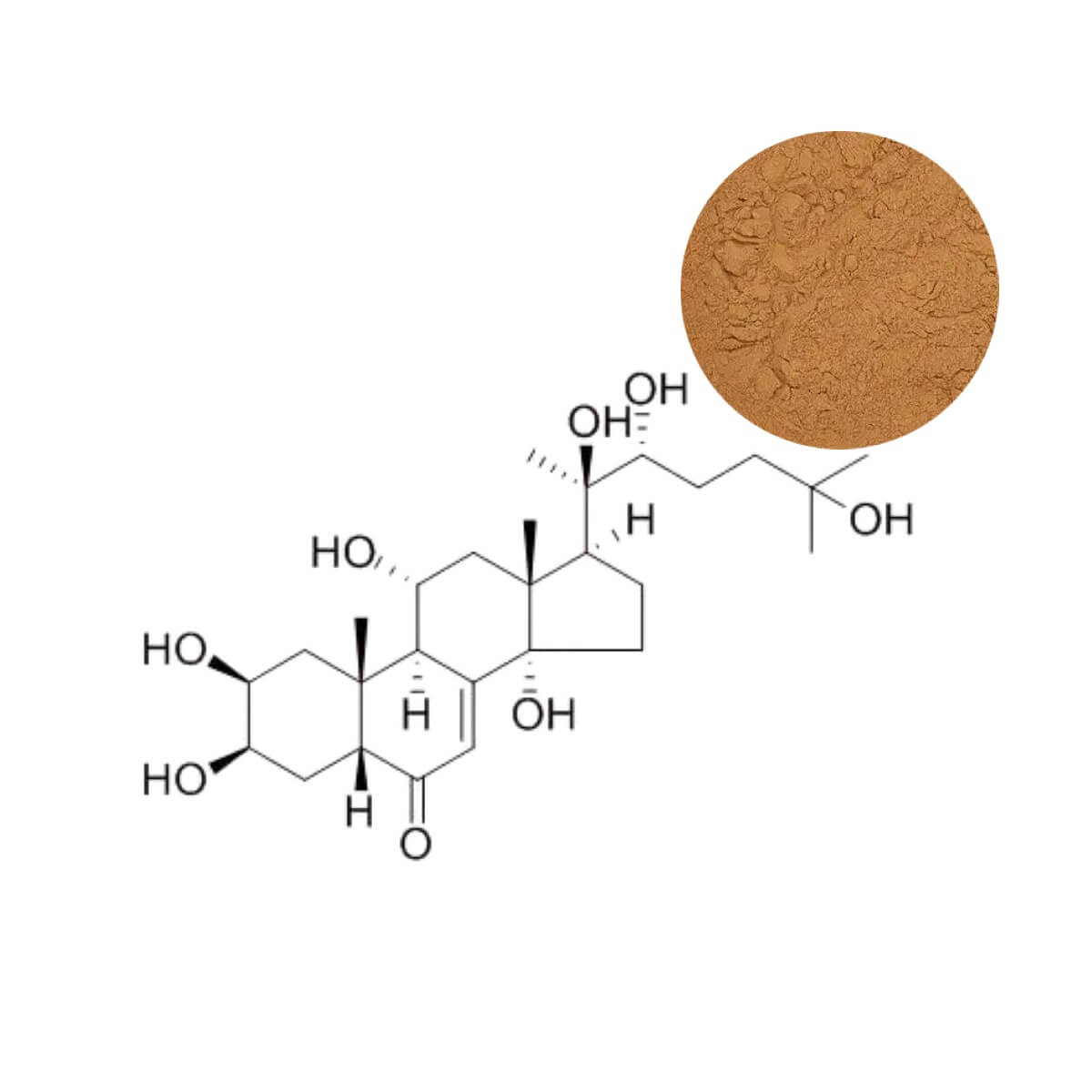
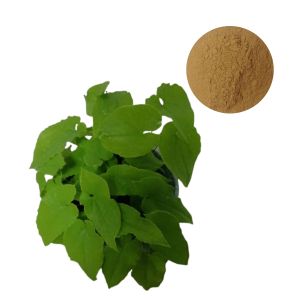
Turkesterone Extract Powder
| Product Name | Turkesterone Extract Powder |
| CAS Number | 41451-87-0 |
| Appearance | Brown to yellowish-brown fine powder |
| Purity | ≥10% (by HPLC) |
| Packaging | 1 kg/bag, 25 kg/drum |
| MOQ | 1kg |
Turkesterone Extract Powder: A Scientifically-Grounded Ecdysteroid for Sports Nutrition Formulations
For brand developers seeking to move beyond conventional muscle support ingredients, the challenge lies in identifying compounds with novel mechanisms and credible scientific backing. Turkesterone, a naturally occurring ecdysteroid derived from plants like Ajuga turkestanica, has emerged as a focal point for formulators aiming to create differentiated sports nutrition and healthy aging products. This ingredient, typically standardized to a minimum 10% purity verified by HPLC, offers a non-hormonal pathway to support protein synthesis. The following analysis provides a framework for evaluating its science, ensuring quality through rigorous sourcing, and navigating key formulation decisions—essentially, the strategic considerations a brand's R&D and procurement teams must weigh to bring a compliant, effective, and marketable product to fruition.
The Mechanism of Turkesterone: Beyond Conventional Anabolic Pathways
For formulation scientists and R&D leads, the primary distinction of turkesterone lies not just in its mechanism, but in what this mechanism means for product positioning and consumer safety. Unlike traditional anabolic compounds that interact with androgen receptors, turkesterone's activity is understood to involve the PI3K/Akt signaling pathway, a crucial regulator of cellular metabolism and protein synthesis. In vitro studies have demonstrated that this pathway is essential for ecdysteroid-induced protein accretion, marking a fundamentally different approach to supporting muscle conditioning (doi: 10.3390/nu16091382).
What does this mechanistic distinction mean for a brand's product development roadmap? It allows you to formulate for a growing segment of consumers seeking support for strength and recovery without the concerns—real or perceived—associated with hormonal modulation. Recent human research, while preliminary, provides practical context for dosage and safety. A 2024 acute study involving 11 recreationally-active males explored the effects of 1000mg and 2000mg doses. While it did not find statistically significant acute changes in serum IGF-1 or metabolic rate, it critically established the ingredient's tolerability, with no reports of gastrointestinal distress (doi: 10.3390/muscles3040031). For a brand manager, this tolerability profile is non-negotiable; it directly translates to lower risk of consumer complaints and returns, forming a foundational prerequisite for any viable sports nutrition ingredient.
Quality Benchmarks: What Procurement Teams Must Verify in a Premium Turkesterone
For a botanical extract like turkesterone, the specification "10% minimum by HPLC" is more than a number—it is the primary guarantee of batch-to-batch consistency and, consequently, predictable finished product performance. When your procurement team evaluates bulk turkesterone powder, the analytical method itself is a key quality indicator. An experienced sourcing professional knows that a comprehensive Certificate of Analysis (COA) from a reliable turkesterone powder supplier should verify not only the active compound content but also the absence of contaminants. Key sourcing considerations for a premium ingredient include:
- Verified Purity: Confirmation of ≥10% turkesterone content using validated HPLC methodologies, ensuring the extract meets label claims and avoids regulatory pitfalls.
- Contaminant Screening: Adherence to stringent limits for heavy metals (e.g., Pb ≤1.0 mg/kg, As ≤1.0 mg/kg) and microbial purity (e.g., Total Plate Count ≤1,000 CFU/g), as detailed in the product's standard specifications. This is your first line of defense against brand reputation risk.
- Residual Solvent Compliance: Verification that the extraction process (typically ethanol/water based) leaves no harmful residues, complying with pharmacopeial standards like USP <467>.
From a compliance standpoint, requesting and reviewing these specific data points on a COA is the most effective way to mitigate risk before scaling up production. This due diligence ensures the turkesterone extract for sports nutrition formulations meets both internal quality benchmarks and the evolving expectations of regulators and consumers.
Formulation in Practice: Stability, Dosage, and Strategic Product Positioning
Incorporating turkesterone extract powder into finished dose forms requires attention to its physical characteristics. As a fine powder (typically ≥95% through 80 mesh), it blends effectively and flows well, making it suitable for standard encapsulation and tableting processes. An effective formulation requires consideration of dosage; while a definitive optimal dose is still under investigation, acute human trials have utilized single doses of 1000mg to 2000mg without adverse effects. Based on this established safety profile, this dosage range offers formulators broad flexibility to explore product concepts—from daily wellness capsules to targeted recovery formulations. However, because efficacy endpoints in these acute trials did not reach statistical significance, final product effectiveness may require validation through combination with complementary ingredients or brand-conducted efficacy studies. This dosage flexibility allows brands to tailor products for different price points—a 500mg daily dose for a mass-market wellness capsule, or a 1000mg+ dose for a premium, high-potency sports nutrition line. Stability is another critical factor. The ingredient should be stored in its original packaging in a cool, dry environment, away from direct light. In manufacturing, controlling humidity during blending is advisable to maintain the powder's flow characteristics and prevent clumping, directly supporting a smoother production workflow and reducing downtime.
Looking at market positioning, a longer-term (4-week) randomized trial on an ecdysteroid blend provided valuable context, noting no significant changes in body composition or strength in healthy young adults (doi: 10.1080/15502783.2025.2550140). For the B2B developer, this underscores a crucial strategic insight: turkesterone is not a "quick-fix" anabolic agent. Its value proposition is better built around sustained support for protein synthesis, making it a strong candidate for:
- Daily Health & Wellness Capsules: Positioned for active adults focusing on maintaining lean mass as they age.
- Pre/Post-Workout Recovery Complexes: Combined with complementary ingredients like electrolytes, adaptogens, or plant-based proteins to create a holistic recovery story.
- Healthy Aging Formulations: Targeting the preservation of muscle function and metabolic health, a rapidly growing demographic concern.
This strategic reframing positions the ingredient for brands building long-term consumer loyalty rather than chasing short-term, high-stimulus trends.
Mitigating Risk: A Due Diligence Checklist for Brands Sourcing GMP-Certified Turkesterone
The final, and perhaps most crucial, step in product development is selecting a supply partner whose capabilities align with your brand's quality and reliability standards. The market for botanical extracts is global, and supply chain transparency is paramount. When evaluating where to buy turkesterone wholesale, a structured approach to vendor qualification is essential for any brand's procurement and legal teams. An objective due diligence checklist for your vendor assessment should include:
- Comprehensive Documentation: Does the supplier provide a full COA with every batch, detailing assay, physical properties, and contaminant analysis? Can they provide a detailed Technical Dossier to support your regulatory filings?
- Certified Facilities: Is the material handled and packaged in a GMP-certified facility? This ensures adherence to strict quality management principles throughout the supply chain, directly impacting your product liability risk.
- Supply Chain Transparency: Can the supplier trace the material back to its botanical source? Are they transparent about their extraction and quality control partners? This visibility is essential for crisis management and consumer trust.
- Regulatory Support: Does the supplier offer documentation to assist with regulatory filings, such as technical specifications for Novel Food status or NDI notifications, as applicable in your target markets?
This framework transforms sourcing from a transactional purchase into a strategic partnership, significantly lowering the risk of quality failures or supply disruptions that can impact your brand's reputation and bottom line.
Next Steps for Your Product Development
Successfully launching a product with turkesterone requires a partner who can deliver more than just the raw material—it demands scientific credibility, unwavering quality, and collaborative formulation support. By partnering with an experienced distributor, you gain access to a standardized, GMP-compliant ingredient backed by the necessary documentation to streamline your development process, from R&D to finished product launch. To move forward with confidence and accelerate your internal evaluation, the next step is to conduct your own hands-on assessment of the material that will form the basis of your innovation. Request Your Complimentary Sample & Technical Dossier to verify the specifications firsthand, conduct your own stability testing, and begin your formulation work with the full technical data package in hand—allowing your team to validate the ingredient's quality and fit before committing to scale.
Frequently Asked Questions
Share this product
Related Products
Ready to get started?
Contact our team for technical specifications, pricing, and customized solutions.