
Beyond the “French Paradox”: Solving the Bioavailability Puzzle of Resveratrol in Modern Functional Formulations
Resveratrol is a longevity powerhouse, but its poor bioavailability remains a bottleneck. This article analyzes advanced delivery systems, purity grades, and R&D strategies to help brands turn this legendary molecule into a high-performance commercial success.

For decades, the “French Paradox” captivated the wellness world: how could a population with a diet rich in saturated fats enjoy relatively low rates of cardiovascular disease? The answer, researchers proposed, lay partly in red wine’s star polyphenol—resveratrol. Since then, this compound has been linked to longevity, cognitive support, and cellular health. Yet for formulators and brand owners, one stubborn obstacle remains: resveratrol’s notoriously poor bioavailability. Without solving this puzzle, even the most potent extract struggles to deliver its promised benefits. This means that simply sourcing high‑quality raw material is no longer enough—the real competitive advantage lies in mastering the science of delivery. This article explores the science behind the bioavailability barrier, the latest technological breakthroughs, and how sourcing the right specification—whether high‑purity resveratrol or Polygonum Cuspidatum Extract Powder—can turn a promising ingredient into a commercial success.
The Bioavailability Bottleneck: Why Resveratrol Fails to Deliver
Resveratrol’s therapeutic potential is well documented, but its clinical translation has been hampered by three intrinsic drawbacks: extremely low water solubility (~0.05 mg/mL), rapid degradation at physiological pH, and extensive first‑pass metabolism that converts it into glucuronide and sulfate conjugates (doi: 10.3390/ijms20061381). As a result, oral bioavailability in humans is often reported at less than 1%. For brand owners, this means that simply encapsulating raw resveratrol powder is unlikely to yield a product that stands out in a crowded market. The practical implication: consumers may never experience the benefits they paid for, leading to poor reviews and low repeat purchase rates. Understanding these fundamental limitations is the first step toward intelligent formulation—and a crucial differentiator in an industry where efficacy drives loyalty.
Technological Levers: From Nanocrystals to Smart Delivery Systems
Recent advances in material science and pharmaceutical technology have opened new avenues to overcome resveratrol’s pharmacokinetic flaws. A 2025 comprehensive review highlights three major strategies: green extraction enhancements, chemical modification, and advanced drug delivery systems (doi: 10.3390/antiox14060654). Among these, delivery systems have shown the most immediate promise for dietary supplements:
- Nanocrystal technology – By reducing particle size to the nanometre range, surface area expands dramatically, boosting dissolution rate and saturation solubility. One 2024 study demonstrated that resveratrol nanocrystals incorporated into mesoporous materials achieved nearly two‑fold higher bioavailability compared to a simple suspension. For formulators, this opens the door to fast‑acting liquid shots and instant beverage powders that previously couldn’t deliver a meaningful dose.
- Cyclodextrin inclusion complexes – Encapsulation with γ‑cyclodextrin increased resveratrol’s aqueous solubility by 49‑fold. When further embedded in a fenugreek galactomannan hydrogel, the complex provided sustained release and enabled incorporation into transparent functional gummies—a format previously difficult for lipophilic polyphenols. This means brands can now target the lucrative gummy segment without compromising on ingredient transparency or efficacy.
- Lipid‑based self‑emulsifying systems – Formulations using casein‑stabilised lipid carriers have been shown to enhance intestinal permeability while potentially reducing pre‑systemic metabolism in enterocytes. For R&D teams, this translates into higher payloads per serving and the ability to create once‑daily softgels that truly work.
- Pickering emulsion gels – A cutting‑edge approach using chitosan‑coated albumin‑selenium nanoparticles boosted intestinal permeability by 292% and achieved an area under the curve (AUC) of 3467.99 ± 127.43 ng·h/mL, with intestinal retention lasting up to 60 hours. The takeaway: extended‑release formats are now feasible, allowing brands to position resveratrol as a “24‑hour cellular support” ingredient.
What ties these technologies together? They transform resveratrol from a passive compound into an actively delivered nutrient, ensuring that what reaches the bloodstream matches the dose on the label. For formulation scientists, this toolbox offers a way to tailor release profiles, mask any undesirable flavours, and match the desired dosage form—whether tablets, gummies, or beverages. The message is clear: the era of “just add powder” is over; the future belongs to precision delivery.
Selecting the Right Starting Material: Purity vs. Complexity
Before choosing a delivery technology, brands must decide on the raw material itself. The market offers two primary options for resveratrol sourcing: highly purified trans‑resveratrol (typically ≥98%) and botanical extracts standardised to lower concentrations (e.g., 50% resveratrol from Polygonum cuspidatum). Both have distinct advantages and trade‑offs that influence formulation strategy and target positioning.
| Specification | Typical Characteristics | Ideal Application Scenarios |
|---|---|---|
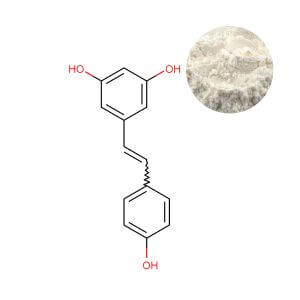
| High‑purity resveratrol (≥98%) | Off‑white to near‑white fine powder; single‑component; minimal interference from co‑extractives | Precision dosing in capsules/tablets; multi‑ingredient blends (e.g., with NMN or coenzyme Q10); products targeting international markets requiring NDI or Novel Food approval |
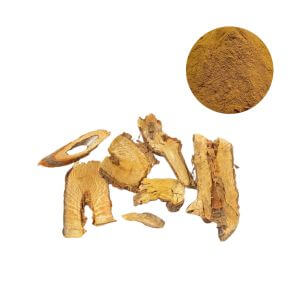
| 50% Polygonum cuspidatum extract | Light brown powder; contains natural polyphenol complexes (e.g., emodin, polydatin) that may offer synergistic effects | Cost‑effective formulations; “clean label” or “whole plant” narratives; functional foods where colour and minor co‑actives are acceptable |
For brands aiming at the premium longevity segment, Resveratrol Powder with ≥98% purity provides the consistency and regulatory clarity needed for clinical substantiation. Meanwhile, the 50% Polygonum cuspidatum extract can be an excellent entry point for mainstream products that benefit from the “herbal heritage” appeal and lower cost of goods. The strategic insight: your choice of raw material signals your market positioning—high purity says “science‑backed precision,” while the extract whispers “nature’s wisdom.” Moreover, the purity level directly impacts which bioavailability enhancement strategy will be most effective. High‑purity materials lend themselves better to advanced encapsulation, while extracts may require gentler processing to preserve companion compounds. Experienced sourcing managers also know that a reliable supplier’s Certificate of Analysis (COA) is non‑negotiable—variability in purity can ruin months of formulation work.
Market Trends and Cross‑Category Opportunities
Consumer demand for resveratrol is no longer confined to anti‑aging capsules. Recent innovations have pushed this polyphenol into functional beverages, beauty drinks, and even pet supplements. In late 2024, BioHarvest Sciences launched a line of functional teas “infused” with resveratrol‑rich Polygonum cuspidatum extract, targeting the US$3.3 billion functional tea market. What makes this case noteworthy? It’s not just about adding an ingredient—it’s about reimagining the format. By embedding resveratrol into a daily tea ritual, the brand taps into the growing preference for convenient, enjoyable wellness experiences. For formulators, this signals a clear mandate: develop resveratrol variants that are water‑dispersible, taste‑neutral, and stable across pH and temperature ranges. The underlying trend is that consumers want efficacy without effort—a challenge that the bioavailability technologies described earlier are perfectly positioned to solve.
Formulation Guidance for R&D Teams
When embarking on a resveratrol product development project, consider the following checklist:
- Define the target format – Beverages require soluble or dispersible forms; gummies benefit from encapsulation to mask bitterness; tablets can tolerate higher compression forces if the material is microencapsulated. Choosing the format first narrows down the technology options.
- Assess compatibility – Resveratrol can interact with certain excipients; cyclodextrins or lipid carriers often improve stability in multi‑vitamin blends. Running small‑scale compatibility tests early can save costly reformulations later.
- Verify analytical methods – Ensure your supplier provides certificates of analysis (COA) with both purity and residual solvent data, especially for high‑purity grades. This is not just paperwork—it’s your insurance against batch‑to‑batch variation.
- Plan for scale‑up – Technologies like spray‑dried emulsions or hot‑melt extrusion require specific manufacturing capabilities; partner with suppliers who offer technical support during scale‑up. The best lab‑scale formulation is useless if it can’t be produced economically at tonnage.
The overarching principle: start with the end consumer in mind, then work backwards through delivery system, raw material, and supplier selection. This ensures that every decision serves the final product’s market promise.
Conclusion: From Puzzle to Platform
The bioavailability challenge that once limited resveratrol’s commercial potential is now being systematically dismantled by innovations in materials science and formulation technology. The key takeaway for brand owners and R&D leaders: solving this puzzle is not a one‑time fix but a strategic capability. By combining the right raw material—whether a high‑purity isolate or a carefully standardised botanical extract—with a modern delivery system, brands can finally unlock the full promise of this legendary molecule. In doing so, they move from being mere ingredient buyers to true product innovators. For product developers ready to move beyond the French Paradox, the next step is clear: explore technical datasheets, request samples, and engage with suppliers who can provide both quality ingredients and formulation expertise. Contact our technical team to discuss how our resveratrol portfolio can support your next breakthrough product.
Share this article
Found this helpful? Share it with others!
Related Products
Products mentioned in this article
Related Articles
You might also be interested in

Pterostilbene vs. Resveratrol: Bioavailability, Processing, and Cost-In-Use Benchmarks for Next-Gen Longevity Formulations
Compare pterostilbene and resveratrol across PK exposure, polymorphic stability, and cost-in-use economics to optimize next-gen longevity formulations and eliminate high-speed tableting downtime.
Want to learn more?
Explore our products or contact our team for personalized solutions and expert advice.