
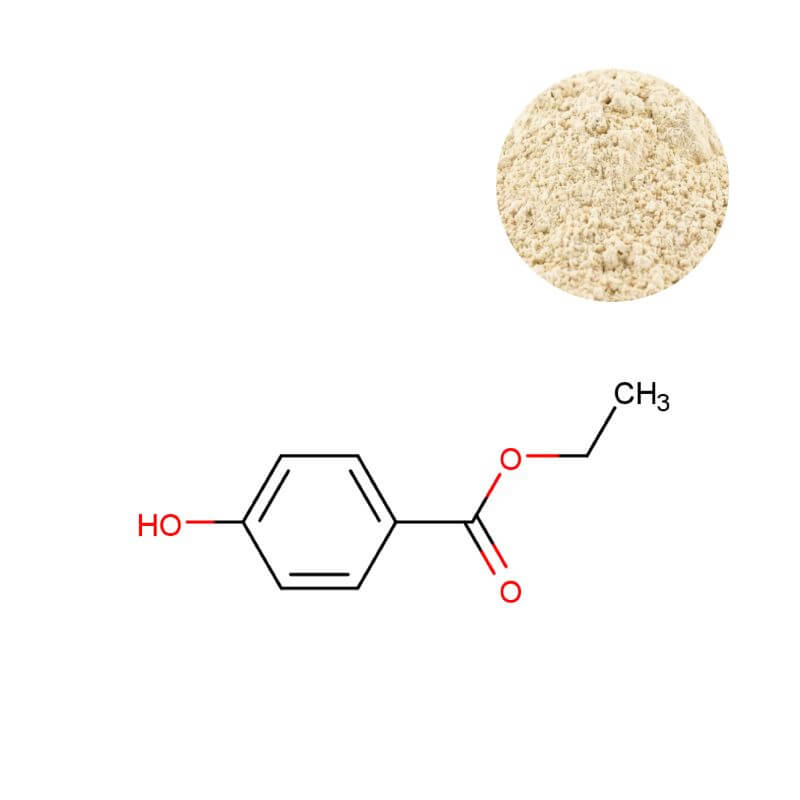
Catalase Powder
| Product Name | Catalase Powder |
| CAS Number | 9001-05-2 |
| Appearance | Off-white to light brown fine powder |
| Activity | 50,000 U/g, 100,000 U/g (by UV Spectrophotometry) |
| Packaging | 1 kg/bag, 25 kg/drum |
| MOQ | 1 kg |
Catalase Powder: Engineering Oxidative Stress Resilience for Advanced Formulations
For supplement brands moving beyond generic antioxidant blends, the ability to manage reactive oxygen species at the molecular level defines formulation differentiation. Hydrogen peroxide (H₂O₂) accumulation - a byproduct of normal metabolism and environmental stress - directly compromises cellular integrity and product efficacy. Catalase (EC 1.11.1.6) offers a unique catalytic mechanism that decomposes H₂O₂ into water and oxygen at rates exceeding millions of molecules per second per enzyme unit. Premium Catalase Powder, standardized to ≥100,000 U/g (with 50,000 U/g options available), provides formulators with an enzyme-based solution that complements traditional antioxidant networks. When sourcing bulk Catalase Powder, the key performance indicators are enzyme activity consistency, documented through batch-specific Certificates of Analysis (COA) from GMP-certified partners. For brands facing intensifying regulatory scrutiny, locking in a ≥100,000 U/g standard directly builds a defensible scientific moat that justifies premium positioning.
Catalytic Mechanism: Why Enzyme Activity Defines Efficacy Over Stoichiometric Antioxidants
Unlike vitamins C or E that neutralize free radicals in a one-to-one stoichiometric ratio, catalase operates as a true catalyst. One catalase molecule decomposes up to 47 million H₂O₂ molecules per second at optimal conditions, preventing hydroxyl radical formation via the Fenton reaction. Catalase's catalytic efficiency makes it a cornerstone in cellular defense against oxidative stress, particularly in tissues with high H₂O₂ turnover. This mechanistic advantage translates directly into formulation economics: lower inclusion rates achieve meaningful antioxidant protection without altering taste, color, or texture - critical for clean-label products.
From a strategic formulation perspective, this catalytic activity allows brands to target specific pathways:
- Intracellular redox balance - Catalase localizes in peroxisomes and cytoplasm, complementing SOD and glutathione peroxidase.
- Gut barrier protection - Animal models show exogenous catalase reduces intestinal oxidative damage by upregulating tight-junction proteins.
- Post-exercise recovery - By clearing exercise-induced H₂O₂, catalase helps maintain muscle membrane integrity.
These formulation insights directly translate to selecting a Catalase Powder supplier that provides validated enzyme activity data (e.g., ≥100,000 U/g) rather than vague purity percentages. Without this data, formulators cannot calculate precise dosing or predict in-product stability. This predictive accuracy means fewer overages in formulation, directly reducing raw material waste and lowering cost per unit in high-volume production.
Quality Benchmarks: What to Demand from a GMP Catalase Powder Supplier
B2B buyers often assume higher purity equals better quality. For enzymes, activity (U/g) under defined conditions (pH 7.0, 25°C, 1 min H₂O₂ decomposition) is the true performance metric. A premium bulk Catalase Powder ingredient should be evaluated on three concise quality tiers:
| Quality Attribute | Specification & Commercial Significance |
|---|---|
| Enzyme Activity | ≥100,000 U/g (50,000 U/g also available). Directly determines dosing accuracy and raw material cost per finished unit. |
| Microbiological Safety | TAMC ≤1,000 CFU/g, Yeast/Mold ≤100 CFU/g, absence of E. coli, Salmonella, S. aureus. Meets USP <61>/<62> - essential for global supplement registration. |
| Heavy Metals & Residues | Pb ≤2.0, As ≤1.0, Cd ≤1.0, Hg ≤0.1 mg/kg; residual solvents comply with USP <467>. Directly impacts finished product safety and EU/US market access. |
EFSA's 2026 revised safety evaluation of catalase from Aspergillus niger (non-GM strain CTS 2093) maintained the NOAEL of 56 mg TOS/kg bw/day and an updated dietary exposure of 0.032 mg TOS/kg bw/day, with a margin of exposure of at least 1750 (EFSA Journal, 2026; doi: 10.2903/j.efsa.2026.10139). From a compliance standpoint, sourcing certified catalase with full COA documentation - including heavy metal profiles and residual solvents - is non-negotiable for brands targeting EU or US markets. Microbial-derived catalase offers superior batch-to-batch consistency compared to bovine-derived alternatives, eliminating risks related to BSE or allergen cross-contamination. This consistency eliminates the hidden costs of batch rejection and re-qualification.
Formulation in Practice: Stability, Synergy & Delivery Solutions
Enzymes are notoriously sensitive to heat, pH extremes, and mechanical stress. Yet these challenges can be systematically managed. Delivery systems and formulation excipients dramatically influence catalase's functional half-life in finished products. Below are evidence-based guidelines for maintaining catalase activity across common dosage forms:
- Powder blends & stick packs - Keep moisture content below 8%. Use desiccants in packaging. Avoid direct compression with high-shear forces.
- Capsules (vegetable or gelatin) - Low-humidity environments (RH <45%) during encapsulation are critical. Formulation and process variables must be co-optimized to maintain catalase activity during capsule filling, particularly regarding excipient compatibility and moisture control.
- Tablets - Compression at 100-400 MPa and spray drying significantly reduce catalase activity; dextran and mannitol provide no protection; trehalose protects during spray drying but not necessarily during compression (International Journal of Pharmaceutics, 2024; doi: 10.1016/j.ijpharm.2024.124626).
- Liquid systems - Maintain pH 5.0-8.0. Avoid low-pH juices or ascorbic acid concentrations above 500 ppm, which accelerate denaturation. Refrigerated storage (2-8°C) is recommended to maintain enzyme activity.
Strategic combinations can amplify antioxidant network effects. The table below illustrates three evidence-informed synergistic pairings:
| Synergistic Ingredient | Rationale | Typical Ratio (Catalase:Partner) |
|---|---|---|
| Superoxide Dismutase (SOD) Powder | Completes the ROS scavenging cascade: SOD converts O₂⁻ to H₂O₂, then catalase decomposes H₂O₂ to H₂O. | 1:1 by enzyme activity (U/U) |
| Glutathione (reduced) | Supports the glutathione peroxidase pathway, providing a secondary H₂O₂ elimination route and regenerating antioxidants. | 1:5 to 1:10 (mg basis) |
| Grape seed extract (95% OPC) | Protects catalase from oxidative inactivation via free radical scavenging, extending functional half-life. | 1:4 (catalase mg : polyphenol mg) |
For procurement teams, these formulation insights directly translate to reduced product failure risk and longer shelf-life claims - tangible cost savings often exceeding the initial price premium of a high-quality enzyme.
Mitigating Risk: The Checklist for Sourcing Bulk Catalase Powder
Choosing the right Catalase Powder supplier or wholesale partner is as critical as the ingredient itself. Below is a vendor evaluation framework based on industry best practices and regulatory expectations:
- Full disclosure COA - Does it include activity (U/g), loss on drying (≤8.0%), particle size (≥95% through 80 mesh), heavy metals (Pb, As, Cd, Hg), and full microbiological panel (including S. aureus)?
- Auditable traceability - Can the supplier provide fermentation batch records, purification steps, and raw material origin (e.g., non-GMO Aspergillus niger)?
- Regulatory dossiers - Do they offer EFSA/FDA compliance statements, allergen declarations, and Kosher/Halal certificates if needed?
- Supply chain resilience - Does the vendor maintain safety stock and dual-sourcing for raw substrates to prevent outages?
From a strategic formulation perspective, working with a partner that provides formulation support - including stability protocols and custom blending - reduces internal R&D cycle time. The 2026 EFSA evaluation supports its low-regulatory-risk status. Procurement teams should evaluate total cost of ownership: a slightly higher per-kg price for full-dossier support prevents months of regulatory delays - a far larger financial exposure. Brands targeting hair-color applications should note that FTC has historically challenged unsubstantiated gray-hair-reversal claims for catalase supplements, reinforcing the need for human clinical evidence before making such claims.
Next Steps: De-Risk Your Development with Technical Documentation
Transitioning from concept to commercial supplement requires more than a datasheet - it demands batch-specific COAs, stability study reports, and regulatory support. Bulk Catalase Powder is available with full traceability, two activity grades (100,000 U/g and 50,000 U/g), and custom packaging (1 kg foil bags to 25 kg drums). Request a complimentary Catalase Powder sample and complete technical dossier today. The dossier includes the EFSA safety evaluation summary, UV spectrophotometric activity assay method, and a formulation guide for powder blends and capsules - everything your R&D team needs to fast-track regulatory filing and product launch.
Frequently Asked Questions
Share this product
Related Products

Ready to get started?
Contact our team for technical specifications, pricing, and customized solutions.