
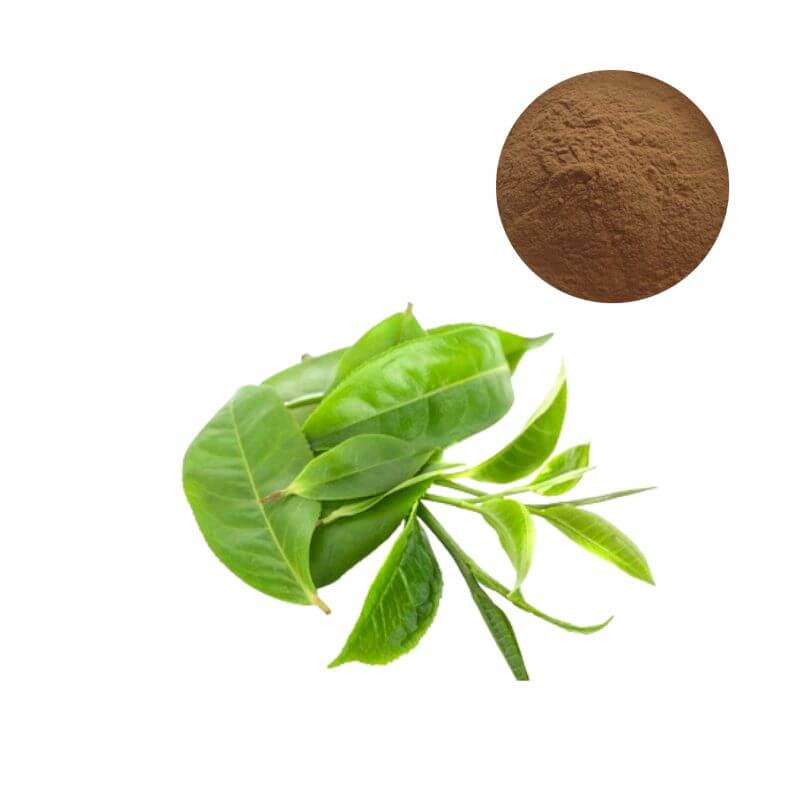
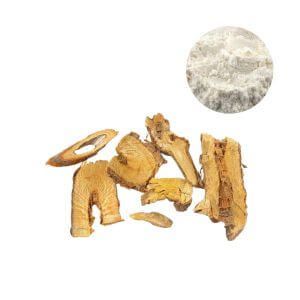
Green Tea Extract Powder
| Product Name | Green Tea Extract Powder |
| CAS Number | 84650-60-2 |
| Appearance | Light yellow to brown fine powder |
| Purity | 80%, 95%, 98% Tea Polyphenols (UV) |
| Packaging | 1 kg/bag, 5 kg/tin, 25 kg/cardboard drum |
| MOQ | 1 kg |
Green Tea Extract Powder (95% Polyphenols): Standardized Catechins for Metabolic & Cognitive Health Formulations
For supplement brands aiming to move beyond basic antioxidant claims, the choice of botanical extract grade directly impacts formulation efficacy and regulatory acceptance. Standardized green tea extract, rich in catechins like EGCG, offers evidence-backed support for weight management and cardiovascular health. However, batch‑to‑batch variability and stability remain critical sourcing challenges. A premium 95% tea polyphenols powder, verified by HPLC for total catechins and EGCG content, ensures consistent biological activity—turning a commodity ingredient into a predictable, high‑performance formulation asset. With EFSA’s 800 mg EGCG daily cap and growing consumer demand for clean‑label metabolic support, the 95% grade offers the optimal “sweet spot” – high enough for clinical efficacy yet compliant with emerging safety guidelines, giving brands a defensible scientific positioning.
Clinical Foundation: How Catechins Drive Metabolic and Cognitive Benefits
The efficacy of green tea extract hinges on its flavan‑3‑ols, primarily epigallocatechin gallate (EGCG), which accounts for approximately 50% of total polyphenols. These compounds support energy expenditure and fat oxidation through sympathetic nervous system activation and inhibition of catechol‑O‑methyltransferase (COMT). A 2025 systematic review of 17 clinical trials (10.3390/molecules30153128) confirmed that regular intake of catechin‑rich extracts contributes to reductions in body weight, body fat percentage, and oxidative stress markers—key outcomes for metabolic health products. From a strategic formulation perspective, this means a 95% polyphenol grade provides sufficient catechin density to achieve clinical study doses (typically 250–500 mg/day) in a reasonable capsule count, avoiding the need for large‑scoop powders or multiple daily servings. Practically speaking, brands targeting weight management or healthy aging can leverage this data to support structure/function claims such as “helps maintain healthy body composition” or “supports antioxidant defenses,” provided the finished product delivers a daily catechin profile aligned with published research. Additionally, using 95% purity instead of 80% reduces capsule size by approximately 30% for the same active dose, directly improving consumer compliance and reducing packaging costs per unit. This dose‑efficiency advantage means brand owners can launch premium “once‑daily” metabolic formulas rather than three‑capsule regimens – a decisive factor in retail shelf appeal and subscription retention rates.
Quality Benchmarks: Why Polyphenol Purity Alone Is Misleading
For procurement teams, simply specifying “high polyphenol content” overlooks critical quality differentiators. Premium green tea extract powder is characterized by three interrelated parameters: total polyphenols (UV), total catechins (HPLC), and EGCG (HPLC). While an 80% polyphenol grade works for cost‑sensitive applications, the 95% grade offers the optimal balance between active density and manufacturing stability. A 2023 analysis of 30 commercial tea extracts (10.3390/antiox12122121) revealed that over‑enrichment to 98%+ EGCG can reduce oxidative stability, as other flavan‑3‑ols (e.g., ECG, EGC) provide natural stabilization. From a strategic formulation perspective, this means selecting a 95% polyphenol powder with a well‑preserved catechin profile (≥70% total catechins, ≥45% EGCG) minimizes degradation risks during 24‑month shelf life. Key sourcing considerations for buyers include:
- Batch‑specific HPLC fingerprints – ensure consistent catechin ratios, not just a single purity number.
- Caffeine content – standard grade (≤5%) vs. low‑caffeine (≤1%) for evening or sensitive populations.
- Heavy metals & pesticide compliance – must meet USP/EP limits (Pb ≤1 mg/kg, As ≤1 mg/kg) and EU MRLs.
For brands formulating “calm energy” or sleep‑support products, the low‑caffeine variant (≤1%) retains full polyphenol activity while avoiding stimulant effects—a crucial differentiator in the growing nighttime supplement segment. For procurement teams, this directly translates to reduced quality‑control disputes and faster regulatory filings, as a reliable CoA from a GMP‑aligned partner eliminates unexpected variations in bioactivity.
Formulation in Practice: Stability, Synergy, and Delivery Solutions
Integrating green tea extract powder into finished products requires addressing three practical challenges: solubility, taste, and oxidation. The 95% grade (80–120 mesh) disperses readily in aqueous systems but may leave a slight astringency. Common solutions include:
- Capsules / tablets – direct compression with microcrystalline cellulose; humidity control (<45% RH) during blending prevents caking.
- Beverage powders (sticks / sachets) – pair with natural sweeteners (stevia, monk fruit) and citrus flavors to mask bitterness.
- Softgels – suspend in medium‑chain triglycerides (MCT oil) to enhance lipophilic delivery and reduce gastric irritation.
For brands seeking synergistic effects, green tea extract combines effectively with:
| Co‑ingredient | Synergy Mechanism | Typical Ratio (GTE : Co‑ingredient) | Application |
|---|---|---|---|
| L‑Theanine | Mitigates stimulant effect of caffeine; supports cognitive focus | 2:1 (e.g., 200 mg GTE + 100 mg L‑Theanine) | Nootropic / calm energy blends |
| Piperine (black pepper extract) | Inhibits glucuronidation, boosting EGCG bioavailability by ~30% | 10:1 to 20:1 | High‑efficiency metabolic formulas |
| Vitamin C (Ascorbic Acid) | Antioxidant synergy; stabilizes catechins in liquid formulations | 1:1 to 2:1 | Immune + antioxidant products |
It’s worth noting that while 98% polyphenol powder offers the highest EGCG density, its oxidation rate accelerates in high‑humidity environments. Therefore, for most multi‑ingredient solid dosage forms, the 95% grade provides the best balance of potency and long‑term stability—a practical insight that reduces product returns and improves consumer satisfaction. For contract manufacturers, this stability profile translates directly to fewer batch rejects and lower warehousing write‑offs, protecting margins in high‑volume production lines.
Supply Chain Assurance & Total Cost of Ownership
For brands scaling from concept to full production, the total cost of ownership (TCO) for a botanical ingredient involves more than the per‑kilo price. Hidden costs include quality failures, production delays, and compliance rejections. A dependable green tea extract supplier should offer:
- Full traceability – from Camellia sinensis leaf source (geographic origin, harvest season) to final powder.
- Stability data under ICH conditions – 24‑month real‑time studies, not just accelerated.
- Customizable packaging – 1 kg bags for R&D, 5 kg tins for pilot batches, 25 kg fiber drums for production.
- Regulatory support – NDI‑ready dossiers (US), Novel Food compliance (EU), and Health Canada monographs.
A single batch failure due to inconsistent polyphenol content can cost a brand upwards of $50,000 in product recalls and lost customer trust. That’s why a supplier that provides a full CoA with every lot—including HPLC catechin profiles and heavy metal screens—is not an expense but an insurance policy. From a risk mitigation standpoint, verifying that each shipment meets the same catechin ratio (±5%) prevents expensive product re‑registrations and supply chain halts – a TCO advantage that far exceeds any per‑kilo premium. From a strategic formulation perspective, sourcing bulk green tea extract with a guaranteed 95% polyphenol minimum and a detailed CoA for every lot eliminates the need for in‑coming HPLC testing at your facility—saving 2–3 weeks of lead time and thousands in analytical costs. Moreover, a partner that maintains safety stock of key grades (80%, 95%, 98%) and low‑caffeine variants ensures uninterrupted production even during raw material shortages. For procurement teams, this directly translates to lower inventory carrying costs and a more resilient supply chain—critical advantages in today’s volatile ingredient market.
Next Steps for Your Product Development Cycle
With a standardized 95% green tea extract powder, you can confidently develop metabolic health supplements, cognitive support blends, or sports nutrition products backed by peer‑reviewed clinical evidence. The combination of batch‑specific HPLC analysis, stability validation, and full regulatory documentation reduces formulation risk and accelerates time‑to‑market. To evaluate the ingredient’s performance in your specific matrix, request a complimentary 20g sample alongside a comprehensive technical dossier including CoA, stability summary, and suggested starting formulations. Request your complimentary sample & technical dossier and move from concept to clinical‑grade supplement with confidence.
Frequently Asked Questions
Share this product
Related Products
Ready to get started?
Contact our team for technical specifications, pricing, and customized solutions.