
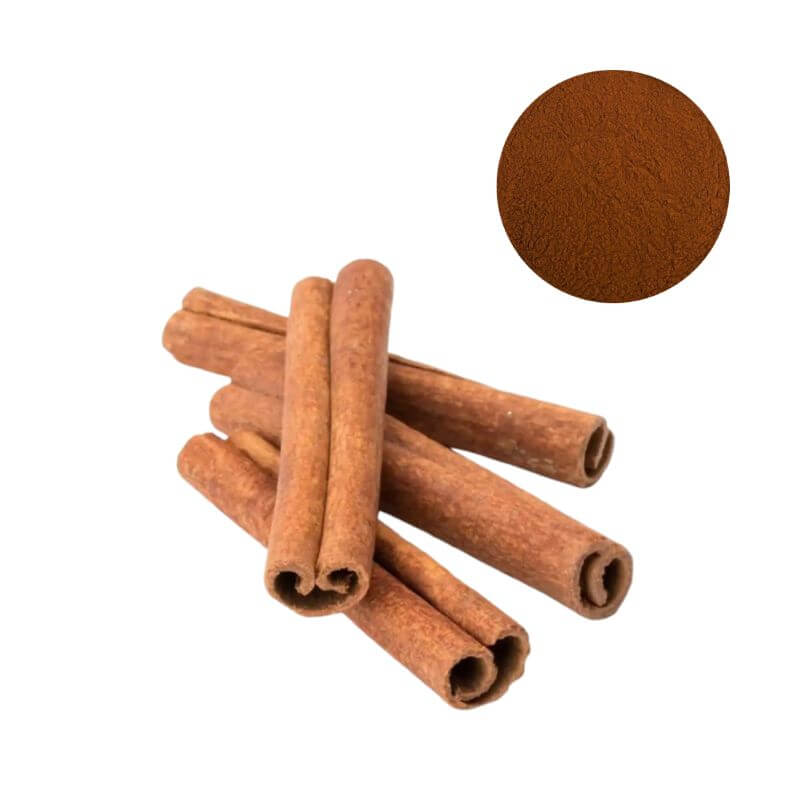
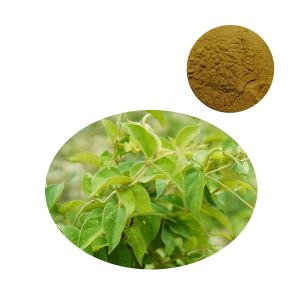
Cinnamon Bark Extract Powder
| Product Name | Cinnamon Bark Extract Powder |
| CAS Number | 84961-46-6 |
| Appearance | Reddish-brown to brown fine powder |
| Purity | 10:1 Ratio Extract, 20% & 30% Polyphenols (UV) |
| Packaging | 1 kg/aluminum foil bag, 25 kg/paper drum |
| MOQ | 1 kg |
Cinnamon Bark Extract Powder (10:1, 20%–30% Polyphenols): A Clinically-Supported Ingredient for Metabolic Health Formulations
Formulators targeting blood sugar support and metabolic wellness face a crowded market where generic antioxidant blends no longer differentiate. A premium cinnamon bark extract must deliver both clinically relevant polyphenol levels and batch‑to‑batch consistency backed by modern analytical methods. Standardized grades such as 10:1 extraction ratio, 20% polyphenols, and 30% polyphenols (UV) allow brands to tailor potency and cost. But the real value lies in how these specifications translate into reproducible efficacy and compliance—key considerations when sourcing bulk cinnamon bark extract for global supplement lines. Choosing a polyphenol‑standardized grade directly builds a scientific moat around your product, enabling premium pricing and faster regulatory acceptance in the competitive metabolic health category.
Evidence‑Based Mechanisms: How Cassia Bark Extract Supports Glycemic Control
The metabolic benefits of Cinnamomum cassia extract are rooted in multiple pathways: enhancing insulin sensitivity via PTP1B inhibition, promoting GLUT4 translocation, and modulating intestinal α‑glucosidase activity. A 2025 umbrella review of 21 meta‑analyses (139 comparisons) confirmed that cinnamon supplementation significantly improves fasting glucose, insulin resistance, and lipid parameters, with stronger effects at doses >1.5 g/day and durations ≤2 months (doi: 10.3389/fnut.2025.1683477). From a strategic formulation perspective, this means that a 20% polyphenols grade not only provides a validated dose‑response anchor but also supports claims around “healthy glucose metabolism” without overpromising. For procurement teams, this directly translates to lower regulatory risk—using a well‑studied extract with established safety margins, provided coumarin levels are managed through source selection or decoumarization.
- Clinical anchor: A 2024 dose‑response meta‑analysis (24 RCTs) reported significant reductions in fasting glucose (SMD –1.32), HOMA‑IR (SMD –1.32), and HbA1c (SMD –0.67) in type 2 diabetes patients (doi: 10.1002/ptr.8026).
- Practical implication: These effect sizes are comparable to several first‑line lifestyle interventions, making the ingredient a credible adjunct in metabolic health stacks.
- Specification relevance: Higher polyphenol content (30%) may achieve similar benefits at lower daily intake, reducing capsule burden for premium lines.
The umbrella review also highlighted that cinnamon’s antioxidant capacity contributes to secondary cardiovascular benefits, such as modest reductions in blood pressure. Brands formulating functional beverages or solid dose supplements can leverage these multi‑target effects to differentiate their products in the metabolic wellness segment.
Quality Benchmarks: Beyond “High Purity” – What Really Matters
For bulk cinnamon bark extract, total polyphenol content (UV) and extraction ratio (e.g., 10:1) are the primary specifications, but expert buyers also examine three hidden quality gates: polyphenol fingerprint consistency (HPLC), loss on drying (≤5.0%), and ash content (≤5.0%). A certified COA from a GMP‑compliant partner confirms these parameters for each batch. From a strategic formulation perspective, consistent polyphenol profiles directly impact clinical reproducibility; a 20% polyphenols batch that varies by ±2% can shift the effective dose by 10% over a production run. For procurement teams, this directly translates to reduced batch rejection risk and tighter finished product specifications.
| Quality Attribute | Typical Specification | Why It Matters for Formulators |
|---|---|---|
| Polyphenols (by UV) | 20% or 30% min. | Directly correlates with clinical efficacy; ensures label claim accuracy. |
| Loss on Drying | ≤5.0% | Prevents microbial growth and maintains flowability during encapsulation. |
| Particle Size | ≥95% through 80 mesh | Ensures uniform blending in powder mixes and avoids segregation. |
Additionally, heavy metal limits (Pb ≤2.0, As ≤1.0, Cd ≤1.0, Hg ≤0.1 mg/kg) and USP‑compliant microbial standards (TPC ≤1,000 CFU/g) are non‑negotiable for dietary supplement use in the US and EU. Certified cinnamon bark extract powder from a reliable supplier provides a full COA covering these metrics, eliminating the need for costly incoming testing. From a compliance standpoint, responsible suppliers also flag coumarin levels – a critical differentiator for EU‑bound products where daily intake limits apply. Leveraging a full COA with coumarin data empowers brands to pre‑emptively address EU safety reviews, slashing months from the product registration timeline.
Formulation in Practice: Stability, Synergy, and Dosage Considerations
Cinnamon bark extract is moderately hygroscopic and partially soluble in water, making it suitable for capsules, tablets, and dry‑mix beverages. Key stability rules: keep the finished product’s moisture below 6% to prevent polyphenol degradation, and avoid high‑shear wet granulation which can cause extract clumping. For powdered drink blends, pre‑blending the extract with a free‑flowing carrier (e.g., maltodextrin) ensures homogeneous dispersion. From a strategic formulation perspective, these handling details prevent costly production delays and ensure consistent label potency.
- Recommended daily dose: 500–1,500 mg of 10:1 extract or 300–600 mg of 20% polyphenols grade, based on clinical dose‑response data (doi: 10.1002/ptr.8026).
- Synergistic partners: Berberine HCl, chromium picolinate, and Gymnema sylvestre – each targeting complementary pathways (insulin signaling, glucose uptake, carbohydrate digestion).
- Formulation tip: For high‑potency products, use 30% polyphenols grade to reduce capsule count while maintaining clinical equivalence.
When combining cinnamon extract with berberine, start with a 1:2 ratio (cinnamon:berberine) to avoid gastrointestinal discomfort, a common issue with high‑dose berberine alone. For procurement teams, this directly translates to an opportunity to create differentiated “glucose metabolism complexes” that stand out on retail shelves. Moreover, this precision directly reduces third‑party testing expenses per batch, as standardized extracts simplify label claim verification. A standardized polyphenol extract dramatically shortens your own R&D cycle – formulators can skip potency titration studies and move directly to stability and sensory optimization.
Supply Chain Resilience & Total Cost of Ownership
Sourcing bulk cinnamon bark extract involves more than unit price. Reliable suppliers maintain dual sourcing of raw Cinnamomum cassia bark from different regions (e.g., Guangxi and Vietnam) to mitigate harvest disruptions. They also provide batch‑specific COAs within 24 working hours and support vendor qualification with complete technical dossiers. For procurement teams, this directly translates to a lower total cost of ownership: consistent quality reduces the risk of finished product rejection, while rapid documentation shortens lead times for regulatory filings (e.g., NDI notifications, novel food applications). Total cost of ownership analysis shows that a 2% polyphenol fluctuation can cause label claim violations, triggering a full batch recall – a risk completely avoided by choosing GMP‑verified, batch‑released material.
Risk mitigation checklist:
- Request a full COA including polyphenol profile (HPLC/UV) and coumarin content.
- Verify GMP certification and FSSC 22000 where applicable.
- Confirm free sample availability for pilot batch testing.
Cost efficiency example: A 30% polyphenols grade may cost 50% more per kg than 20%, but if it halves the required dose per capsule, the net cost per serving can be similar – while enabling smaller, easier‑to‑swallow capsules.
From a strategic formulation perspective, partnering with a supplier that offers custom blending (e.g., combining cinnamon extract with chromium or berberine) reduces your own compounding steps and quality control workload. This is especially valuable for brands launching multiple SKUs targeting metabolic health.
Next Steps for Your Product Development
Cinnamon bark extract powder, when sourced as a GMP‑certified, HPLC‑verified ingredient with clear polyphenol standardization, provides a clinically credible foundation for blood sugar support, metabolic wellness, and antioxidant formulations. To accelerate your development cycle, request a complimentary sample and complete technical dossier – including batch‑specific COA, stability data, and regulatory guidance. Request Your Complimentary Sample & Technical Dossier and validate how our 10:1, 20%, and 30% polyphenols grades perform in your specific matrix.
Frequently Asked Questions
Share this product
Related Products
Ready to get started?
Contact our team for technical specifications, pricing, and customized solutions.