
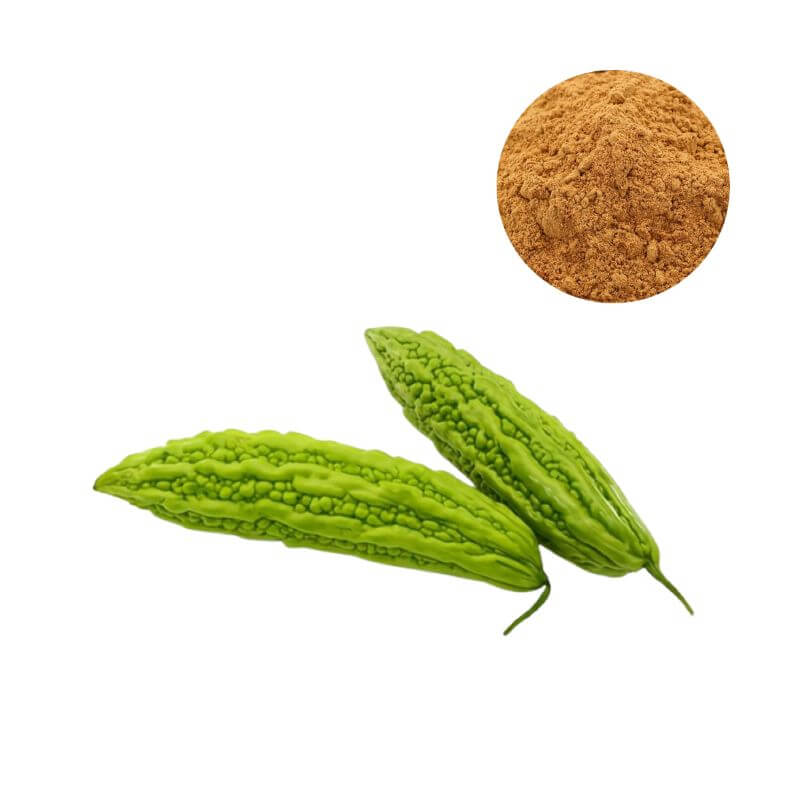
Bitter Melon Extract Powder
| Product Name | Bitter Melon Extract Powder |
| CAS Number | 57126-62-2 (Charantin) |
| Appearance | Yellowish brown to brown fine powder |
| Purity | 10:1 (Ratio Extract), 5% Min., 10% Min., 20% Min. Charantin (by HPLC) |
| Packaging | 1 kg/bag, 5 kg/bag, 25 kg/drum |
| MOQ | 1 kg |
Bitter Melon Extract Powder (Charantin): Evidence‑Backed Glycemic Support for Metabolic Health Formulations
Formulating a metabolic health supplement that truly stands out requires more than generic botanical blends. Discerning brand owners and procurement teams now demand ingredients with validated mechanisms, batch‑to‑batch consistency, and clear regulatory pathways. Bitter Melon Extract Powder standardized to Charantin (CAS 57126‑62‑2) meets these criteria by delivering reproducible bioactivity. Available in ratio (10:1) and precise purity grades (5%, 10%, 20% min. Charantin by HPLC), this ingredient offers formulation flexibility while maintaining rigorous quality benchmarks. For brands targeting prediabetes or type 2 diabetes support, understanding the ingredient’s clinical foundation and supply chain realities is the first step toward a differentiated product. In a crowded metabolic health category, choosing a Charantin‑standardized extract instead of a ratio‑only ingredient directly supports compliant structure‑function claims and justifies premium pricing through science‑backed reproducibility.
Clinical Rationale: How Charantin Supports Glucose Homeostasis and Insulin Sensitivity
The efficacy of bitter melon (Momordica charantia L.) in metabolic health is no longer anecdotal. A 2024 meta‑analysis of eight randomized controlled trials involving 423 type 2 diabetes mellitus (T2DM) patients demonstrated significant improvements: fasting blood glucose (FBG) decreased by 0.85 mmol/L (p = 0.005) and HbA1c by 0.38 % (p < 0.0001), alongside a reduction in total cholesterol (doi: 10.1016/j.heliyon.2024.e31126). These outcomes are primarily attributed to Charantin, a group of steroidal saponins that modulate key pathways:
- Insulin receptor sensitization – enhances peripheral glucose uptake
- α‑glucosidase inhibition – slows postprandial glucose absorption
- Pancreatic β‑cell protection – reduces oxidative stress
From a strategic formulation perspective, this multi‑pathway action enables product developers to create supplements that address both acute glucose spikes and long‑term glycemic control. For procurement teams, this directly translates to a lower risk of relying on single‑mechanism ingredients that may lose efficacy over time. Moreover, a 2025 GRADE‑adherent meta‑analysis (25 trials, 34 sub‑studies) confirmed that bitter melon supplementation significantly reduces HOMA‑IR (SMD = −0.52, p = 0.0195), validating its role in improving insulin resistance (doi: 10.1016/j.metop.2025.100407). Such robust evidence provides a solid foundation for brands seeking substantiated structure‑function claims. From a product development standpoint, this level of clinical validation reduces the need for costly post‑launch studies and accelerates retailer acceptance of metabolic health SKUs.
Quality Benchmarks: Why Charantin Standardization Outperforms Ratio Extracts
Not all bitter melon extracts are created equal. Ratio extracts (e.g., 10:1) indicate processing intensity but do not guarantee consistent bio‑active levels. In contrast, Charantin‑standardized extracts (5%, 10%, 20% min. by HPLC) offer precise, replicable potency. For a premium B2B ingredient, the following quality metrics are non‑negotiable:
- HPLC verification – ensures declared Charantin content per batch
- Heavy metals control – Pb ≤ 2.0, As ≤ 1.0, Cd ≤ 1.0, Hg ≤ 0.1 mg/kg (ICP‑MS)
- Microbiological safety – TAMC ≤ 1,000 CFU/g; absence of E. coli, Salmonella, P. aeruginosa
- Loss on drying – ≤5.0 % to prevent degradation
For GMP-certified suppliers, maintaining residual solvents below USP <467> limits further ensures clean-label compliance for international buyers. Practically speaking, a comprehensive Certificate of Analysis (COA) that includes these parameters is the cornerstone of supply chain transparency. For procurement teams, this directly translates to reduced formulation failures and fewer rejected shipments. The table below contrasts the two common specification approaches:
| Attribute | Ratio Extract (e.g., 10:1) | Charantin‑Standardized Extract |
|---|---|---|
| Active marker certainty | Unknown, batch‑dependent | Precise (5%, 10%, 20% min.) |
| Clinical reproducibility | Low – wide inter‑batch variation | High – validated by HPLC |
| Regulatory filing ease | Complex – inconsistent composition | Simplified – fixed marker content |
| Target audience | Cost‑sensitive mass market | Brands requiring efficacy claims |
Key sourcing considerations include demanding a batch‑specific COA and third‑party verification for heavy metals and residual solvents (USP <467>). A GMP‑certified supply chain that offers these documents within 24 working hours significantly accelerates R&D and regulatory submissions. This purity‑verified approach effectively minimizes production losses from out‑of‑spec ingredients and protects brand reputation through consistent finished product performance.
Formulation in Practice: Stability, Synergy & Delivery Solutions
Successfully integrating Bitter Melon Extract Powder into finished products requires attention to three practical aspects: dosage, synergistic partners, and stability management.
- Effective daily dosage – clinical studies typically use 600 mg to 3 g of standardized extract (providing 5-20% Charantin). Start with 500-1000 mg per serving for capsules or tablets.
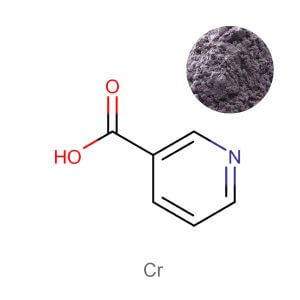
- Synergistic blends – combine with chromium picolinate (supports insulin signaling), high-purity Berberine HCL (activates AMPK), or cinnamon extract (enhances glucose uptake) to achieve multi‑pathway glycemic control.
- Formulation challenges – bitter taste requires masking (encapsulation, flavor systems); hygroscopicity demands low‑humidity processing (≤45% RH).
An effective formulation for a powder drink mix might include:
| Component | Dose per serving | Function |
|---|---|---|
| Bitter Melon Extract (10% Charantin) | 1,000 mg | Primary glycemic support |
| Chromium picolinate | 200 mcg | Insulin signaling cofactor |
| natural flavor-masking stevia | 50 mg | Taste masking |
From a strategic formulation perspective, controlling moisture during blending and using nitrogen‑flushed packaging preserves Charantin activity over a 24‑month shelf life. It’s worth noting that spray‑dried extracts are generally stable at temperatures below 40°C, but prolonged exposure to light accelerates degradation. Practically speaking, enteric-coated capsules bypass taste issues and protect Charantin from gastric acid, making them ideal for high-dose formulas. For procurement teams, this directly translates to requesting stability data from suppliers under accelerated conditions (40°C/75% RH for 6 months) before committing to large‑scale production.
Mitigating Risk: The Checklist for Sourcing Bulk Bitter Melon Extract
When evaluating bulk Bitter Melon Extract Powder suppliers, a structured checklist minimizes supply chain and quality risks. Professional procurement for metabolic health ingredients should verify the following:
- Documentation completeness – batch‑specific COA including Charantin content (HPLC), heavy metals (ICP‑MS), microbiology (USP <61>/<62>), and residual solvents.
- Certifications – GMP, ISO 22000, or FSSC 22000; Kosher/Halal if targeting specific markets.
- Traceability – from Momordica charantia fruit harvest to finished powder, with clear chain of custody.
- Regulatory support – ability to provide Novel Food or NDI compliance data for EU/US markets.
For brands targeting the EU, confirming Novel Food status prior to procurement avoids costly registration delays. Key sourcing considerations include avoiding suppliers that cannot guarantee Charantin standardization via HPLC. For brands looking to buy bulk Bitter Melon Extract for dietary supplements, requesting a free sample (10‑20 g) for in‑house analytical verification is a prudent step. From a strategic formulation perspective, the true cost of ownership goes beyond price per kilogram – it includes batch rejection rates, reformulation expenses, and potential brand reputation damage from inconsistent products. Reliable distributors of certified Bitter Melon Extract maintain safety stock and offer custom blending (e.g., premixes with chromium or berberine) to streamline your production line. When calculating total cost of ownership, a fully traceable, COA‑backed supply prevents customs holds, product recalls, and lost market windows – expenses that far exceed any upfront price premium.
Next Steps for Your Metabolic Health Product Line
Leveraging the clinical evidence and quality frameworks outlined above, your brand can confidently formulate with Bitter Melon Extract Powder standardized to 5%, 10%, or 20% Charantin. The combination of robust meta‑analysis data (2024‑2025) and strict GMP quality controls ensures that every batch supports your product’s performance claims. To de‑risk your development process, request a complimentary sample and complete technical dossier – including a batch‑specific COA and stability summary. Request Your Complimentary Sample & Technical Dossier and accelerate your go‑to‑market timeline with a partner that prioritizes supply chain transparency and formulation support.
Frequently Asked Questions
Share this product
Related Products
Ready to get started?
Contact our team for technical specifications, pricing, and customized solutions.