
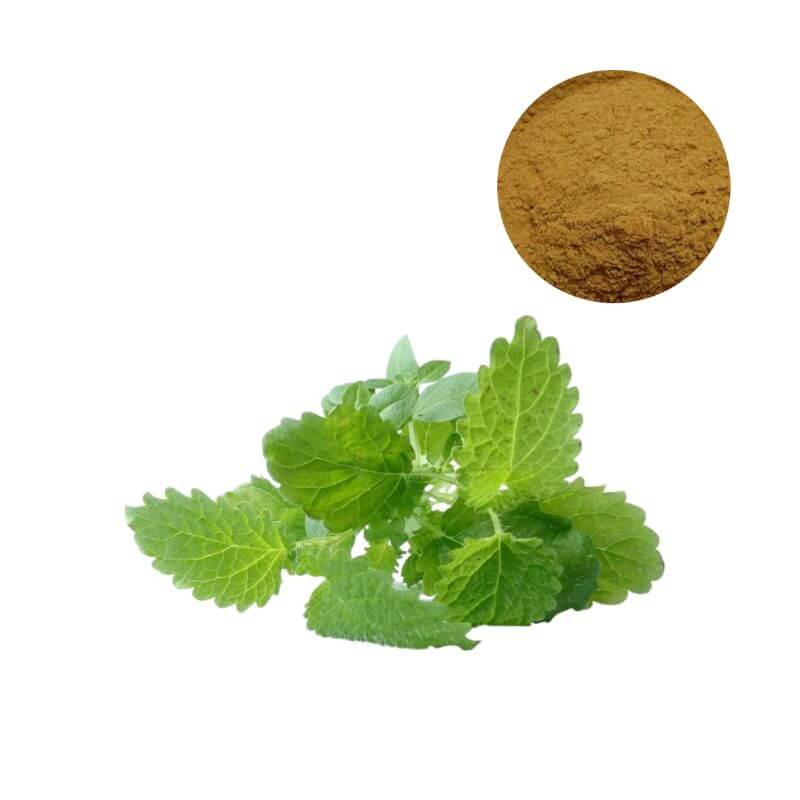
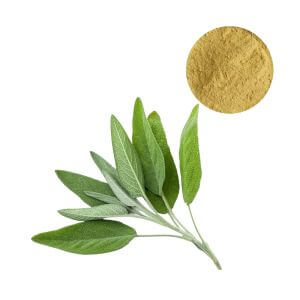
Lemon Balm Extract Powder
| Product Name | Lemon Balm Extract Powder |
| CAS Number | 84082-61-1 |
| Appearance | Fine brown to brownish-yellow powder |
| Purity | Rosmarinic Acid 2.0%, 3.0%, 5.0% (by HPLC) / Ratio Extract 4:1, 10:1 (by TLC) |
| Packaging | 1 kg/bag, 5 kg/bag, 25 kg/drum |
| MOQ | 5 kg |
Lemon Balm Extract Powder: A Standardized Botanical for Cognitive & Emotional Well-Being Formulations
For brands navigating the saturated relaxation and sleep support category, differentiation now hinges on clinically-backed, traceable ingredients. Lemon balm (Melissa officinalis L.) has moved beyond traditional use into mainstream science, yet not all extracts deliver the consistency required for modern product development. Premium bulk Lemon Balm Extract Powder, standardized to either 5% rosmarinic acid (by HPLC) or a 10:1 concentration ratio, provides a reproducible foundation for formulations targeting stress reduction, cognitive clarity, and improved sleep quality. These two industry-accepted grades allow formulators to align ingredient choice with product positioning-whether prioritizing active-marker precision or a traditional full-spectrum profile-while benefiting from rigorous quality controls that ensure batch-to-batch reliability. In a market where regulatory scrutiny and consumer sophistication are both rising, opting for a marker-standardized grade such as 5% rosmarinic acid creates a defensible scientific narrative that supports premium pricing and lowers the burden of clinical substantiation.
The Science of Standardization: Unlocking Lemon Balm's GABAergic Mechanisms
The traditional legacy of lemon balm finds modern validation in its ability to modulate the GABAergic system-the brain's primary inhibitory pathway. Key bioactive compounds, particularly rosmarinic acid, inhibit GABA transaminase, the enzyme responsible for GABA breakdown, thereby supporting a natural state of calm without sedation. This mechanism directly influences mood, stress resilience, and sleep architecture. A 2024 structured review consolidates evidence from multiple human trials, confirming that standardized extracts improve subjective feelings of anxiety, cognitive performance under stress, and sleep quality in diverse populations (Nutrients, 2024; doi: 10.3390/nu16203545). From a formulation perspective, using a consistently standardized extract (e.g., 5% rosmarinic acid) ensures that each batch delivers a predictable level of the active compounds responsible for these clinical outcomes, eliminating the variability associated with crude herbal powders. For procurement teams, this translates directly to reduced risk of product failure during stability testing and a stronger foundation for structure-function claims in permitted markets. This mechanistic clarity allows brand developers to build formulas anchored in a defined dose-response relationship, shortening the R&D cycle and providing a credible platform for consumer communication that goes beyond generic "relaxation" promises.
Quality Benchmarks: Why 5% Rosmarinic Acid and 10:1 Ratio Matter
In the B2B landscape, the choice between a marker-standardized extract and a ratio extract is not merely a matter of cost-it reflects a strategic decision about quality control and market positioning.
- 5% Rosmarinic Acid (by HPLC): Offers precise quantification of the primary bioactive marker, enabling batch-to-batch consistency that is critical for clinical-grade supplements and for brands pursuing substantiated claims. This grade ensures that the final product's efficacy is reproducible, a non-negotiable requirement for premium lines.
- 10:1 Ratio Extract: Provides a concentrated full-spectrum profile, preserving the synergistic interplay of all phytochemicals naturally present in the herb. It is ideal for formulations where traditional herbal identity is valued and a lower cost-per-dose is desired.
Beyond purity, sourcing decisions must evaluate physical characteristics that impact manufacturability. Premium Lemon Balm Extract Powder typically features 100% through 80 mesh, ensuring uniform blending in dry mixes, and loss on drying ≤5%, which minimizes microbial risk. A 2026 integrative review emphasizes that the biological activity of lemon balm extracts is heavily dependent on extraction method and standardization-two factors that reputable Lemon Balm Extract Powder suppliers document in every Certificate of Analysis (COA) (Plants, 2026; doi: 10.3390/plants15040650). From a strategic formulation perspective, verifying these parameters through a complete COA is the first step in de-risking your supply chain and ensuring that your final product meets both regulatory expectations and consumer expectations for quality. Choosing a grade with defined particle size and moisture limits directly impacts manufacturing efficiency-it prevents blend segregation, reduces clean-up time during changeovers, and minimizes the risk of microbial excursions that could otherwise trigger a costly batch rejection.
Formulation in Practice: Stability, Synergy, and Delivery Solutions
Effective formulation with lemon balm extract requires more than selecting the right grade-it demands an understanding of how the ingredient interacts with other excipients and environmental factors. The extract exhibits moderate sensitivity to heat and high humidity, making dry-mix applications (e.g., stick packs, tablets) particularly forgiving, while liquid formulations may require careful pH management (avoid pH below 3.0) and the use of natural preservatives to prevent oxidative degradation.
| Application | Typical Dosage Range | Synergistic Partners |
|---|---|---|
| Stress & Mood Support Capsules | 300-500 mg/day of 5% RA extract | Magnesium glycinate, L-Theanine Powder, Ashwagandha Root Extract |
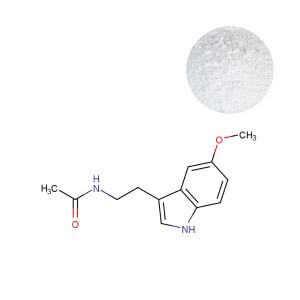
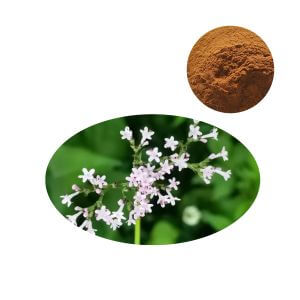
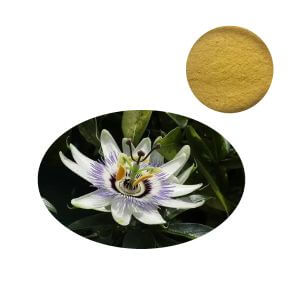
| Sleep Aid Gummies / Softgels | 150-300 mg/day of 10:1 extract | Valerian Root Extract, Passionflower Extract, melatonin |
| Ready-to-Mix Beverage Powders | 150-250 mg/serving of 5% RA extract | Monk fruit sweetener, lemon verbena, chamomile |
When combined with complementary botanicals, the extract's calming effects are often amplified. For instance, pairing it with valerian root leverages both GABAergic and serotonergic pathways, a combination validated in clinical studies for improving sleep quality in menopausal women. From a formulation standpoint, the extract's inherent lemon-herbal aroma can mask the earthy notes of other botanicals, reducing the need for artificial flavors. Practically speaking, early-stage compatibility testing with your chosen excipients will prevent later surprises; a simple 8-week accelerated stability study (40°C/75% RH) can reveal any color shifts or potency loss before full-scale production.
Market Trends: Positioning Your Lemon Balm Extract Product for Success
Consumer demand for natural stress and sleep support continues to grow, but the market is shifting toward "clean label" products with clear functional claims. Brands that leverage a standardized, traceable Lemon Balm Extract gain a distinct advantage.
- Women's Sleep & Stress Support: Formulations targeting perimenopausal and menopausal women, often combining lemon balm with other clinically-studied adaptogens, are gaining traction.
- Daytime Calm & Focus: Low-dose, non-drowsy products that combine lemon balm with nootropics (e.g., phosphatidylserine, lion's mane) appeal to professionals and students seeking cognitive clarity without sedation.
- Functional Beverages: The ready-to-drink category is ripe for lemon balm inclusion, leveraging its natural flavor profile and clean-label appeal in sparkling waters, iced teas, and wellness shots.
For brands sourcing bulk Lemon Balm Extract Powder wholesale, the decision to adopt a 5% rosmarinic acid grade versus a 10:1 ratio directly influences product positioning. The 5% grade enables precise dosing for clinically-aligned claims, while the 10:1 grade offers flexibility for traditional formulations. Combining both grades in a product line-one high-standardized for capsules and one full-spectrum for beverages-can cater to distinct consumer segments without duplicating sourcing efforts. Ultimately, working with a Lemon Balm Extract Powder supplier that provides comprehensive technical documentation and formulation guidance reduces development time and allows you to bring a superior product to market faster. Applying a Total Cost of Ownership lens reveals that paying a modest premium for full documentation and tight specifications hedges against far larger costs-a single stability failure or regulatory audit deficiency can erase any upfront savings from lower-grade material.
Next Steps: Accelerate Your Development with Technical Support
To de-risk your formulation project, request a complimentary sample and the complete technical dossier for Lemon Balm Extract Powder. This package includes batch-specific Certificates of Analysis (COA), stability data, and formulation guidelines-all designed to help move from concept to commercialization with confidence. Whether you are a contract manufacturer finalizing a new sleep formula or a brand innovating in the cognitive health space, the technical transparency and supply chain reliability expected from a trusted partner are ready to support your next project.
Request your complimentary sample and technical dossier today and experience the consistency of premium, standardized botanical ingredients.
Frequently Asked Questions
Share this product
Related Products
Ready to get started?
Contact our team for technical specifications, pricing, and customized solutions.