
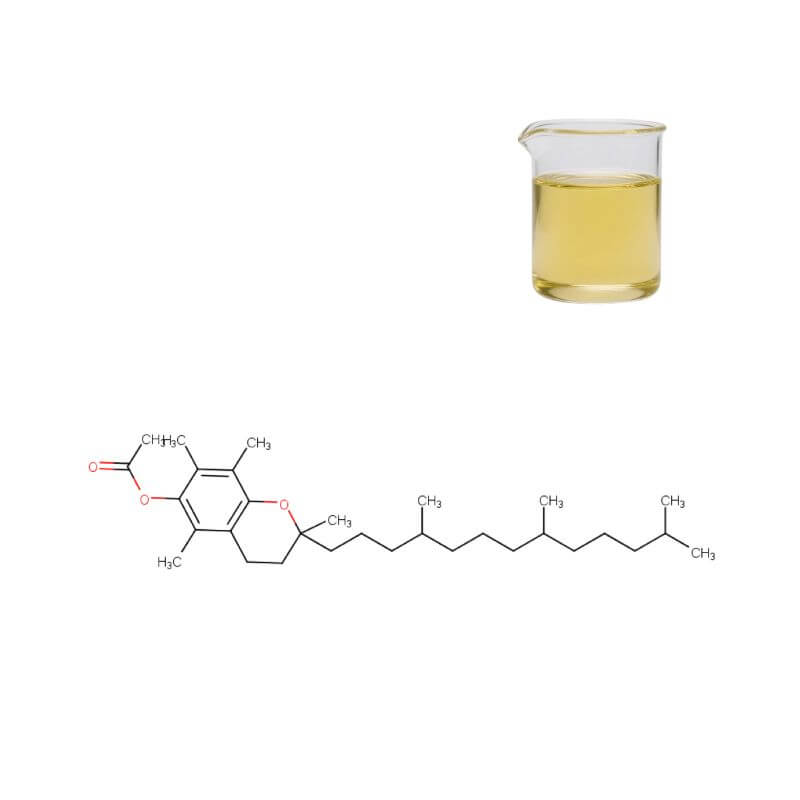
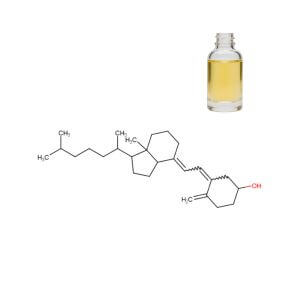
Vitamin E Acetate Oil
| Product Name | Vitamin E Acetate Oil (dl-α-Tocopheryl Acetate) |
| CAS Number | 7695-91-2 |
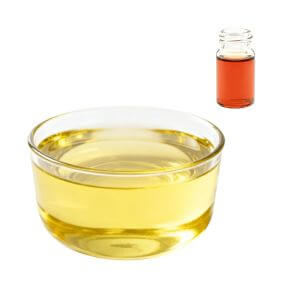
| Appearance | Clear, pale yellow to yellow viscous oil |
| Purity | 98.0% - 102.0% (by GC) |
| Packaging | 1 kg/bottle, 5 kg/drum, 20 kg/drum |
| MOQ | 1 kg |
Vitamin E Acetate Oil: Enhancing Formulation Stability & Oxidative Defense for Premium Supplements
For brands developing lipid‑based supplements, functional foods, or cosmetic products, the choice of vitamin E form directly impacts product stability, consumer perception, and regulatory compliance. Standard non‑esterified vitamin E presents oxidation risks during processing and shelf life. dl‑α‑Tocopheryl Acetate Oil – the acetate‑esterified, synthetic form – offers superior oxidative resistance, batch‑to‑batch consistency, and allergen‑free sourcing. This article examines why leading formulators increasingly specify this ingredient as a foundational antioxidant, supported by recent peer‑reviewed data on stability and bioavailability. In an environment where cross‑border compliance and ingredient differentiation determine market access, selecting a form with proven oxidative stability reduces costly reformulation risks and supports clean‑label claims across multiple regulated regions.
Scientific Rationale: Why Acetate Esterification Enhances Performance
Vitamin E Acetate Oil (dl‑α‑Tocopheryl Acetate, CAS 7695‑91‑2) is a fat‑soluble antioxidant that, upon ingestion, is hydrolyzed in the intestinal mucosa to free α‑tocopherol – the biologically active form. The acetate ester group protects the molecule from premature oxidation, a critical advantage for supplement manufacturers. A 2023 systematic review confirms that vitamin E ester derivatives (including acetate) exhibit significantly higher chemical stability compared to non‑esterified vitamin E, while retaining similar biological activity and physiological functions after absorption (doi: 10.1007/s00449-023-02918-w).
From a strategic formulation perspective, this stability directly translates to longer shelf life, reduced antioxidant degradation during manufacturing (e.g., high‑shear mixing or heat encapsulation), and fewer product returns due to rancidity or discoloration. Key advantages include:
- Oxidative resilience: The acetate form withstands exposure to oxygen and light better than α‑tocopherol.
- Compatibility: Miscible with a wide range of oils, waxes, and lipophilic actives.
- Clean label: Synthetic production eliminates common allergens (soy, nuts) and ensures no crop‑to‑crop variation.
This scientific foundation allows brands to confidently formulate high‑performance supplements with a predictable antioxidant effect – supporting cellular membrane integrity and immune function without compromising on stability. From a production efficiency standpoint, this inherent stability ensures that brands can reduce overage buffers by up to 15%, directly lowering raw material waste and improving batch yield consistency across multi‑million unit runs.
Quality Benchmarks: What Defines a Premium Vitamin E Acetate Oil Supplier
For procurement teams, bulk Vitamin E Acetate Oil must meet rigorous, verifiable criteria. A premium Vitamin E Acetate Oil supplier provides a comprehensive Certificate of Analysis (COA) that includes not only purity but also impurity profiles, residual solvents, and heavy metals. Key sourcing considerations include:
- Purity by GC: ≥98.0% (USP <621>). Lower values may indicate degradation or poor manufacturing.
- Acid Value ≤1.0 mg KOH/g: A tighter limit than the pharmacopoeia standard (≤2.0), ensuring lower free fatty acids and superior stability.
- Residual solvents: Compliant with USP <467> – critical for export to regulated markets.
- Heavy metals: Pb ≤2.0, As ≤1.0, Cd ≤0.5, Hg ≤0.1 mg/kg, confirmed by ICP‑MS.
For procurement teams, this directly translates to reduced compliance risk, smoother customs clearance, and the ability to make structure‑function claims without unexpected contamination issues. When evaluating bulk Vitamin E Acetate Oil, always request a batch‑specific COA. A GMP‑certified supplier will provide this within 24 working hours, along with full traceability documentation.
Practically speaking, an acid value ≤1.0 not only indicates lower free fatty acids but also correlates with a milder, less rancid odor – a hidden quality factor that becomes noticeable in high-dose softgels or clear oil tinctures. Premium brands often specify this tighter limit to avoid consumer complaints about off-notes. Additionally, for water‑based formulations (e.g., drink powders), consider our Vitamin E Acetate Powder – a dry, dispersible form ideal for instant beverages and tablets. This level of purity assurance effectively means that brand developers can accelerate regulatory filings for new markets without the need for costly re‑validation, cutting months from their go‑to‑market timeline.
Formulation in Practice: Stability Data, Synergy & Delivery Systems
Effective use of Vitamin E Acetate Oil requires understanding its interaction with processing conditions and other ingredients. Recent experimental data (doi: 10.1007/s13197-024-06011-2) quantified the stability of α‑tocopheryl acetate under accelerated stress. Key findings:
| Stress Condition | Stability of Vitamin E Acetate Oil (uncomplexed) | Implication for Formulators |
|---|---|---|
| Oxidation (H₂O₂, 576 h) | 88.8% retained | Excellent oxidative resistance – suitable for softgels with long shelf life. |
| Light exposure | 82.9% retained | Use amber glass or opaque packaging; avoid clear bottles. |
| UV radiation | 85.0% retained | Stable during typical manufacturing lighting; avoid prolonged UV sterilization. |
From a strategic formulation perspective, these numbers mean that Vitamin E Acetate Oil can be processed using standard encapsulation equipment without significant degradation – unlike non‑esterified vitamin E, which loses >25% under similar oxidation stress. Practical recommendations:
- Softgel capsules: Use 100–400 IU per serving (equivalent to ~67–268 mg). Pair with Ascorbic Acid (Vitamin C) (2:1 ratio) to regenerate the active form in vivo.
- Oil‑based drops/tinctures: Include a natural antioxidant synergist (e.g., rosemary extract) to further extend shelf life beyond 24 months.
- Powder blends: For high‑humidity environments, avoid direct mixing with hygroscopic minerals (e.g., magnesium citrate) – use the powder form instead.
It’s worth noting that while the acetate ester is highly stable, excessive heat (>80°C for prolonged periods) may cause slight color darkening, which does not affect potency but can impact visual appeal. Pre‑diluting the oil in a carrier oil (MCT or sunflower) before high‑temperature steps mitigates this.
Supply Chain Resilience & Total Cost of Ownership for Bulk Buyers
When purchasing Vitamin E Acetate Oil in bulk, the lowest unit price rarely leads to the lowest total cost. Hidden costs include quality failures, shipment delays, and inconsistent purity requiring re‑formulation. A reliable Vitamin E Acetate distributor or direct supplier should demonstrate:
- Multi‑source synthesis: Reduces geopolitical or raw‑material disruption risks.
- Safety stock: At least 3–6 months of production capacity in temperature‑controlled warehouses.
- Full documentation package: COA, allergen statement, GMP certificate, and stability study report (24‑month real‑time).
For procurement teams, this directly translates to predictable lead times, fewer production stoppages, and lower inventory carrying costs. Additionally, consider the packaging format: 1 kg/bottle for R&D trials, 5 kg/drum for pilot batches, and 20 kg/drum for commercial production. A single‑source partner that offers all three tiers simplifies scale‑up and reduces qualification overhead.
From a cost‑of‑ownership perspective, GMP‑certified Vitamin E Acetate Oil with a tight acid value (≤1.0) may have a slightly higher upfront cost, but it reduces the risk of off‑spec finished products, customer complaints, and regulatory rejections – often saving 5–10× the price difference over a multi‑ton annual contract. From a procurement perspective, volatile vitamin E prices (historically $5–11/kg) make long-term contracts with quarterly price renegotiation a smarter hedge than spot buying. A transparent supplier will offer fixed pricing for 6–12 months against a volume commitment, reducing budget uncertainty without locking in unfavorable rates. A rigorous due diligence approach that includes reviewing batch‑specific heavy metals and residual solvent data prevents catastrophic batch failures – a single rejected shipment can cost more than 10× the price premium of a verified ingredient.
Next Steps: Accelerate Your Product Development with Verified Specifications
To confidently integrate Vitamin E Acetate Oil into your next supplement line, start with a sample evaluation. A 10–20g complimentary sample allows you to test solubility, oxidative stability in your specific matrix, and compatibility with other actives. Our technical team provides a batch‑specific COA, residual solvent report, and heavy metals analysis within 24 working hours – no hidden fees.
Request Your Complimentary Sample & Technical Dossier → – include your target IU per serving, preferred packaging, and any custom blending needs (e.g., premix with vitamin C or CoQ10).
Frequently Asked Questions
Share this product
Related Products
Ready to get started?
Contact our team for technical specifications, pricing, and customized solutions.