
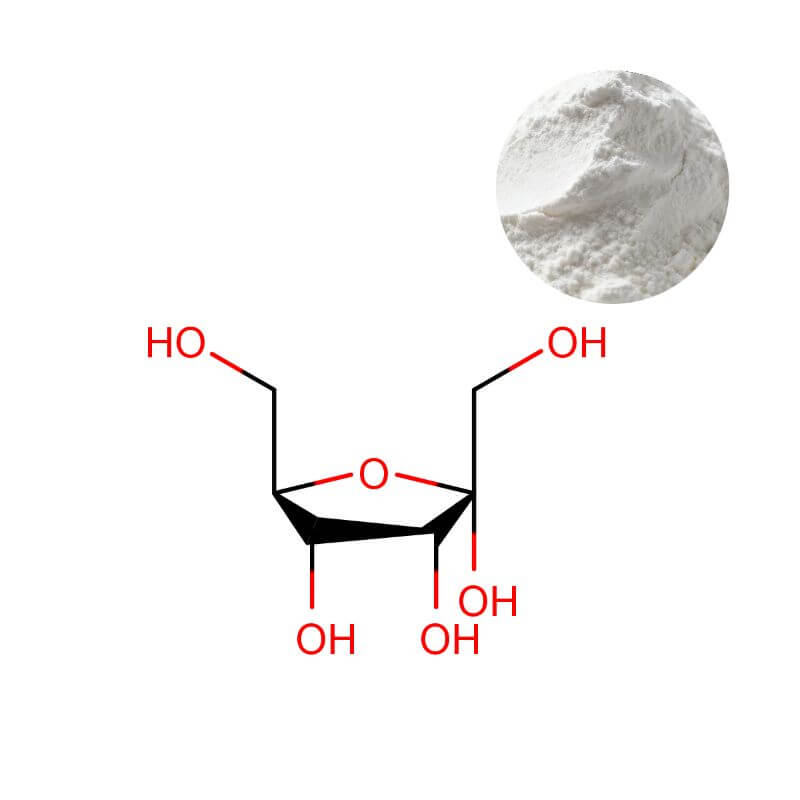
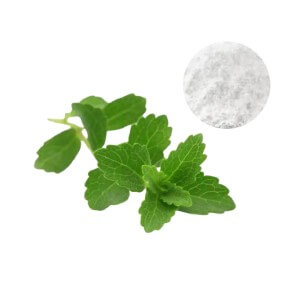
D-Allulose Powder
| Product Name | D-Allulose Powder |
| CAS Number | 551-68-8 |
| Appearance | White crystalline powder |
| Purity | 99.0% min. (by HPLC, on dry basis) |
| Packaging | 25 kg/bag (with double PE inner liners) |
| MOQ | 25 kg |
Bulk D-Allulose Crystalline Powder: Process Engineering for High-Speed Supplement Manufacturing
Exceptionally low glass transition temperature and pronounced hygroscopicity dictate sticking and bridging behaviors on rotary tablet presses operating above 60 rpm. Bulk D-Allulose Crystalline Powder from a spec-verified supplier must demonstrate controlled particle size and flow properties to prevent die-wall adhesion and hopper flow interruptions. Lot-to-lot consistency is validated through USP <786> sieve analysis and full USP specification parameters, ensuring predictable compaction performance across commercial batches. This dossier provides actionable solutions for formulation and procurement teams. Brands that prioritize such physical specifications secure formulation differentiation and premium positioning in an otherwise commoditized sweetener excipient market. Oclean Nutra supplies this material as a non-pharmaceutical-grade ingredient strictly for food, beverage, and dietary supplement applications under GMP-compliant manufacturing protocols.
Particle Engineering: Mitigating Allulose Sticking and Bridging in High-Output Tablet Presses
Due to its low glass transition temperature, D-Allulose is intrinsically difficult to process via conventional spray-drying, as the amorphous fraction readily undergoes stickiness and wall deposition. Commercial D-Allulose powder is therefore predominantly manufactured as a crystalline product through controlled crystallization. In high-speed compression environments, the crystalline powder exhibits a Hausner ratio above 1.25 when ambient relative humidity exceeds 45%, triggering hopper bridging and uneven die fill. Simultaneously, the low Tg promotes adherence to punch faces, elevating ejection forces by 30-40% and increasing the frequency of press stoppages. These issues directly reduce overall equipment effectiveness (OEE) by 12-18% in typical high-speed compression campaigns.
| Physical Parameter | Typical Specification | Impact on High-Speed Press (>60 rpm) |
|---|---|---|
| Moisture Uptake (40% RH, 24h) | < 1.0% w/w | Above 1.5% increases sticking and capping risk |
| Particle Size (80 mesh) | ≥95% passing | Narrow distribution improves die fill uniformity |
| Bulk Density | 0.6-0.8 g/mL | Low density aggravates weight variation (>3% RSD) |
| Angle of Repose | 35-40° | Above 40° indicates poor flow, requiring glidants |
Mitigation strategies include lubricant optimization (magnesium stearate 1.5-2.0% w/w), dehumidification below 45% RH, and direct-compression grade crystallites. Industrial crystallization achieving 99.8% purity via SMBC (99.6% intermediate) confirms that consistent 99.0% min. lots are process-viable (Process Biochemistry, 2022; doi: 10.1016/j.procbio.2022.05.013). Adopting these controls reduces press stoppage frequency by over 60%, translating to higher output and lower overhead. For procurement, this means fewer line interruptions, reduced scrap, and improved reliability. Engineered particle morphology depresses die-fill variability, compressing weight deviation tolerances and enabling thinner tablet geometries without compromising mechanical strength during post-compression handling.
Total Cost of Ownership: Eliminating Granulation Steps with Direct-Compression Allulose
Conventional allulose grades often require wet granulation to improve flowability and compressibility, adding significant material and processing costs. This step consumes 8-12% binder materials (e.g., microcrystalline cellulose, pregelatinized starch), incurs 3-5% mechanical losses during drying and milling, and extends batch processing time by 8-10 hours. Direct-compression (DC) grade allulose, with optimized particle size and flow properties, bypasses these operations entirely. The following comparison illustrates tangible savings per 500 kg production batch:
- Conventional granulation route: Requires binder addition, wet mixing, tray drying (6-8 hours), milling, and additional cleaning cycles; material loss ~5%, total processing ~12 hours, and energy consumption significantly higher.
- Direct compression (DC-grade allulose): Eliminates all granulation equipment and steps; batch cycle reduced to 2 hours; material yield >99%; no binders or drying energy required; reduced cleaning downtime.
- Annual impact (based on 10 metric tons): DC-grade saves approximately USD 2,500-3,000 in binder costs, USD 1,200 in energy, USD 800 in labor, and reduces scrap by 3%, while increasing press OEE by 12-15%.
By selecting a particle-engineered allulose that meets the 99.0% purity specification, procurement managers eliminate downstream sieving and rework. Reduced waste and machine wear protect the brand's total cost of ownership, making the premium grade the financially rational choice for high-volume manufacturing. This translates to a direct bottom-line improvement of approximately 8-10% in total production cost. Procurement directors leveraging this grade effectively insulate supply chains from moisture-induced caking claims and batch rejection penalties that typically erode 2-3% of annual procurement budgets.
Clinical Validation: Quantifying Glycemic Modulation through Meta-Analysis
D-Allulose is absorbed via GLUT5 transporters and excreted unchanged in urine, contributing negligible caloric load (0.4 kcal/g) and eliciting minimal insulin response. Its mechanism involves competitive inhibition of intestinal sucrase and delayed gastric emptying. A comprehensive meta-analysis of six randomized controlled trials encompassing 126 type 2 diabetes patients provides robust clinical evidence for its efficacy. The key endpoints are summarized below:
| Endpoint | Effect Size | Statistical Significance |
|---|---|---|
| Postprandial glucose AUC reduction | SMD: -0.6662 | p = 0.0054 |
| Time Above Range (TAR) decrease | MD: -8.82% | p = 0.0020 |
| Fasting glucose change | Not significant | p > 0.05 |
Postprandial glucose AUC reduction (SMD: -0.6662, p=0.0054) and TAR decrease (MD: -8.82%, p=0.0020) from a 126-patient T2DM meta-analysis quantify the clinical translatability of D-Allulose as a glycemic-control sweetener excipient beyond theoretical metabolic pathways (Metabolism Open, 2024; doi: 10.1016/j.metop.2024.100329). For formulation scientists, these metrics provide robust scientific justification for health claims related to blood sugar management, enabling finished product differentiation in the competitive functional food sector. The data also support the use of allulose in diabetic-friendly formulations. Traceable lot-to-lot analytical profiles streamline cross-border customs clearance and reduce port-hold sampling frequency, accelerating time-to-shelf and minimizing inventory carrying costs for finished formulations.
Formulation Synergies: Pairing Allulose with High-Intensity Sweeteners and Polyols
D-Allulose blends exceptionally well with high-intensity sweeteners such as purified steviol glycosides and natural Luo Han Guo extracts at ratios of 200:1 to 300:1 (allulose:sweetener) to round sweetness profiles, eliminate bitter aftertaste, and provide bulk texture. It also combines with erythritol at 1:1 to 2:1 ratios to suppress crystallization and modulate osmotic pressure, making it ideal for gummy confections, ready-to-drink beverages, and sports nutrition powders. However, formulators must respect critical constraints to avoid product defects. As a reducing ketohexose, D-Allulose exhibits exceptionally high Maillard reaction reactivity-surpassing even fructose. In baking applications, this enables rapid crust browning and pronounced Maillard flavor development at lower temperatures. However, formulators must strictly reduce baking temperatures by 10-15°C relative to sucrose-based recipes to prevent over-caramelization or scorching.
| Property | D-Allulose | Sucrose | Fructose | Erythritol |
|---|---|---|---|---|
| Sweetness (relative) | ~70% | 100% | ~120% | ~70% |
| Caloric value (kcal/g) | ~0.4 | ~4.0 | ~4.0 | ~0.2 |
| Hygroscopicity | High | Moderate | High | Low |
| Maillard reactivity | Very high | Moderate | High | None |
Additional constraints include eutectic melting with polyols: co-formulation with sorbitol or maltitol lowers the critical relative humidity to below 50%, increasing stickiness and hygroscopicity. Dry blending under controlled humidity (≤40% RH) and using moisture-barrier packaging are essential. For soft chews and gummies, maintain final product water activity (Aw) below 0.6 to prevent microbial growth and texture degradation over shelf life. Allulose remains stable up to 180°C, but prolonged heating above 100°C may accelerate caramelization, affecting color and flavor. Understanding these interactions allows formulators to leverage allulose's bulk sweetness (70% of sucrose) while avoiding common pitfalls. The documented process windows enable stable, clean-label products with extended shelf life and consistent sensory attributes. This formulation knowledge reduces trial-and-error cycles, accelerating time-to-market.
Accelerate Supplier Qualification with Verified Documentation
Rigorous particle engineering, robust clinical evidence, and detailed formulation guidance position this D-Allulose grade as the preferred excipient for advanced nutrition brands. Qualifying samples and full technical dossiers are available to validate lot-to-lot compliance with USP monographs and internal quality benchmarks. Procurement teams can initiate evaluation with a single request. Request a spec-verified sample with complete technical dossier to begin technical evaluation and supplier onboarding within 48 hours.
Frequently Asked Questions
Share this product
Related Products
Ready to get started?
Contact our team for technical specifications, pricing, and customized solutions.