
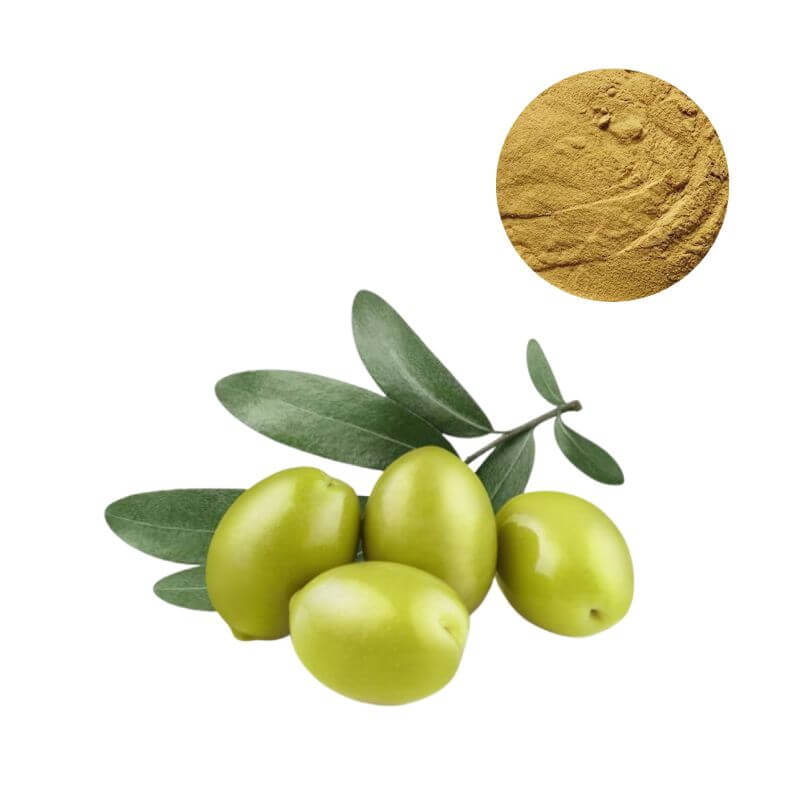
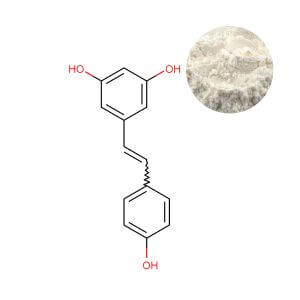
Hydroxytyrosol Powder
| Product Name | Hydroxytyrosol Powder |
| CAS Number | 10597-60-1 |
| Appearance | Off-white to brown fine powder |
| Purity | 10%, 20%, 50% (by HPLC) |
| Packaging | 1 kg/bag, 5 kg/bag, 25 kg/drum |
| MOQ | 1 kg |
Hydroxytyrosol 20% (Olive Fruit Extract): A High-Purity Polyphenol for Advanced Antioxidant & Cardiovascular Formulations
Formulators face a crowded antioxidant landscape where generic vitamin blends no longer create product differentiation. For brands targeting cardiovascular health, healthy aging, or metabolic support, the challenge lies in selecting a polyphenol with both potent, clinically documented activity and a clean regulatory profile. Hydroxytyrosol 20% powder — standardized from olive fruit (Olea europaea L.) — offers a solution. With an oxygen radical absorbance capacity (ORAC) of 68,500 μmol TE/g — significantly higher than vitamin E, this ingredient enables compact, high-impact formulas. Its updated regulatory acceptance — China NHC approval (2024) — reduces market entry risk when sourcing bulk Hydroxytyrosol Powder for global formulations. Selecting a 20% standardized extract rather than a low-grade olive polyphenol blend directly builds a science-based barrier against copycat products, allowing brands to command a pricing premium in the cardiovascular and longevity categories.
Clinical Validation: How 15 mg Daily Delivers Measurable Antioxidant & Anti-Inflammatory Benefits
The efficacy of hydroxytyrosol is anchored in its ability to activate the Nrf2/HO-1 antioxidant pathway, enhancing endogenous defenses. A landmark 2025 randomized, double-blind, placebo-controlled trial (Clinical Nutrition, 2025; doi: 10.1016/j.clnu.2025.07.006) enrolled 52 adults with overweight and prediabetes. After 16 weeks of supplementation with just 15 mg/day of hydroxytyrosol, the active group showed significant improvements across five oxidative stress biomarkers:
- oxLDL (oxidized LDL) – decreased (p=0.045)
- Protein carbonyls (protein oxidation) – decreased (p=0.031)
- 8-OHdG (DNA oxidation) – decreased (p<0.01)
- Total antioxidant status (TAS) – prevented decline (p<0.01)
- GPx activity – preserved (p<0.01)
- IL-6 (inflammation marker) – lowered (p=0.05)
From a strategic formulation perspective, these quantified endpoints allow brands to make structure-function claims with unprecedented scientific rigor. The 15 mg daily dose is both effective and economical — it can be delivered in a single small capsule or a single serving of a functional beverage. For procurement teams, this directly translates to a low-cost, high-impact active that does not compromise sensory profiles or require complex overages. What this means for a brand's bottom line: the ability to reduce capsule size by up to 40% compared to lower-grade polyphenol blends, improving consumer compliance while lowering packaging and shipping costs per unit.
Quality Benchmarks: Why 20% Hydroxytyrosol (Olive Fruit Extract) Sets a New Standard
Not all olive extracts are equal. For B2B buyers, the critical specification is the standardized hydroxytyrosol content, not merely the total polyphenol count. A premium 20% hydroxytyrosol powder is derived from olive fruit (Olea europaea L.) and verified by HPLC to guarantee batch-to-batch consistency. Key sourcing considerations include:
- Particle size – ≥95% through 80 mesh ensures uniform blending and avoids "hot spots" in final products.
- Loss on drying – ≤5.0% prevents moisture-induced degradation during storage.
- Heavy metals – strict limits (Pb ≤1.0 ppm, As ≤1.0 ppm, Cd ≤1.0 ppm, Hg ≤0.1 ppm) measured by ICP-MS.
- Microbiological purity – total aerobic count ≤1,000 CFU/g, absence of E. coli, Salmonella, and Pseudomonas aeruginosa.
It's worth noting that many lower-grade olive extracts use "total polyphenols" as a marketing claim without specifying hydroxytyrosol content. For compliance-sensitive brands, a full Certificate of Analysis (COA) with HPLC-verified hydroxytyrosol percentage is non-negotiable. From a compliance standpoint, this extract form follows a distinct regulatory pathway from synthetic hydroxytyrosol, with market-specific requirements varying by region while still delivering a well-characterized active. Practically speaking, when evaluating bulk hydroxytyrosol suppliers, request a COA that explicitly states both the assay method (HPLC) and the hydroxytyrosol peak area — this transparency is the hallmark of a reliable hydroxytyrosol supplier. For procurement leaders, adopting a total cost of ownership (TCO) lens reveals that paying a slight premium for a verified 20% extract eliminates the risk of failed finished-product batches due to inconsistent potency – a single recall can erase years of margin advantage.
Formulation in Practice: Stability, Synergy & Dosage for Capsules and Functional Foods
Hydroxytyrosol 20% powder is remarkably versatile, but its stability is sensitive to light, oxygen, and pH. The ingredient is water-soluble (up to 50 g/L) and compatible with both dry blends and liquid systems. Recommended daily dosage for finished products: 15–30 mg of pure hydroxytyrosol, corresponding to 75–150 mg of the 20% extract powder. This fits comfortably within standard capsule sizes (size "0" or "00") and powdered drink mixes.
A practical stability guideline: store the raw material below 25 °C in sealed, light-proof packaging. For finished products, avoid alkaline conditions (pH > 7) and consider adding a natural antioxidant synergist. A 2023 clinical trial using hydroxytyrosol-enriched olive oil (10 mg/day HT) demonstrated significant vascular improvements: FMD increased from 3.7% to 6.5% (p<0.001) and PWV improved (p=0.002) (European Journal of Clinical Investigation, 2023; doi: 10.1111/eci.13983). This supports heart health formulations for those purchasing Hydroxytyrosol wholesale.
For formulators seeking synergistic effects, hydroxytyrosol pairs well with:
| Co-ingredient | Synergy Rationale | Suggested Ratio (HT:Co-ingredient) |
|---|---|---|
| Oleuropein (olive leaf extract) | Oleuropein acts as a prodrug, releasing HT in the gut for prolonged activity. | 1:2 to 1:5 |
| Natural Vitamin E (α-tocopherol) | Combination delays lipid oxidation more effectively than either alone. | 1:1 (by weight) |
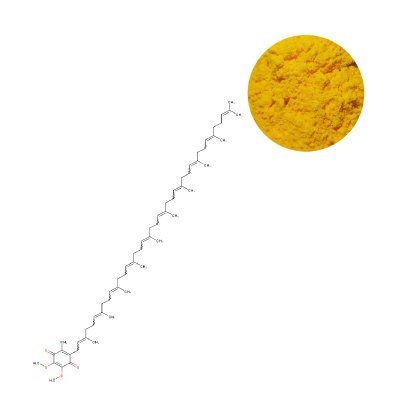
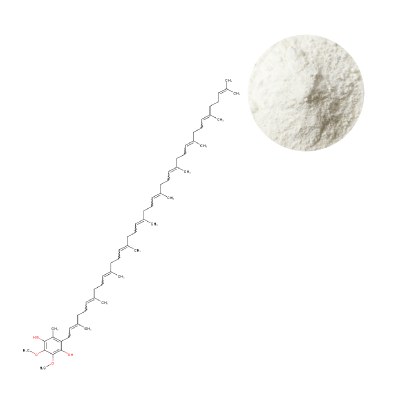
| Coenzyme Q10 (Ubiquinol) | Both support mitochondrial health; HT reduces CoQ10 oxidation in formulations. | 1:2 |
From a strategic formulation perspective, including hydroxytyrosol 20% powder in a multi-antioxidant matrix allows brands to reduce the levels of less stable ingredients (e.g., certain carotenoids) while achieving a higher ORAC score — a clear competitive advantage for sports nutrition and healthy aging products.
Market Trends: Positioning Hydroxytyrosol-Based Products for Cardiovascular & Longevity Categories
Consumer demand for science-backed antioxidants is shifting toward specific polyphenols, with the global hydroxytyrosol supplement market reaching $287.4M in 2025 (CAGR 7.2%). Olive fruit-derived hydroxytyrosol fits into two fast-growing segments: heart health supplements and mitochondrial longevity formulas. The 2025 clinical trial (15 mg/day) provides exactly the type of human data that regulatory bodies and sophisticated buyers require to support label claims like "helps protect LDL from oxidative stress" (similar to the authorized EFSA claim for olive oil polyphenols).
For brands sourcing bulk hydroxytyrosol, three go-to-market strategies stand out:
- Daily "Longevity Shot" – combine 15 mg HT with 98% Trans-Resveratrol and pterostilbene in a 2-oz liquid shot, targeting the biohacking community.
- Heart Health Capsule – co-package HT 20% with ubiquinol and omega-3s, emphasizing the FMD improvement data from the 2023 trial.
- Sports Recovery Powder – use HT's anti-inflammatory effect (IL-6 reduction) to aid post-exercise muscle recovery, paired with tart cherry extract.
It's worth noting that hydroxytyrosol's ability to cross the blood-brain barrier also opens neuroprotective positioning, though cardiovascular remains the most substantiated claim. For procurement teams, the key is to lock in a certified GMP Hydroxytyrosol Powder supplier that provides a batch-specific COA with HPLC chromatograms. This due diligence directly translates to lower regulatory risk and faster time-to-market for your finished product. Adopting a risk-mitigation mindset: verifying full heavy metals panel (ICP-MS) and residual solvents (GC) before commitment prevents costly shipment rejections at customs, especially for brands targeting the EU or North American markets.
Next Steps: Accelerate Your Product Development with Verified Documentation
Building a successful supplement line around hydroxytyrosol 20% powder requires more than just a raw material — it demands a partner that offers technical transparency and formulation support. Whether you are developing a single-ingredient antioxidant capsule or a complex multi-target heart health blend, having access to a complete technical dossier (COA, stability data, and regulatory status summary) de-risks your R&D process. Brand owners and formulators are invited to take the next concrete step: request a complimentary sample and the full technical dossier. Request Your Complimentary Sample & Technical Dossier – and experience how batch-to-batch consistency and clinical-grade documentation can elevate your next launch.
Frequently Asked Questions
Share this product
Related Products
Ready to get started?
Contact our team for technical specifications, pricing, and customized solutions.