
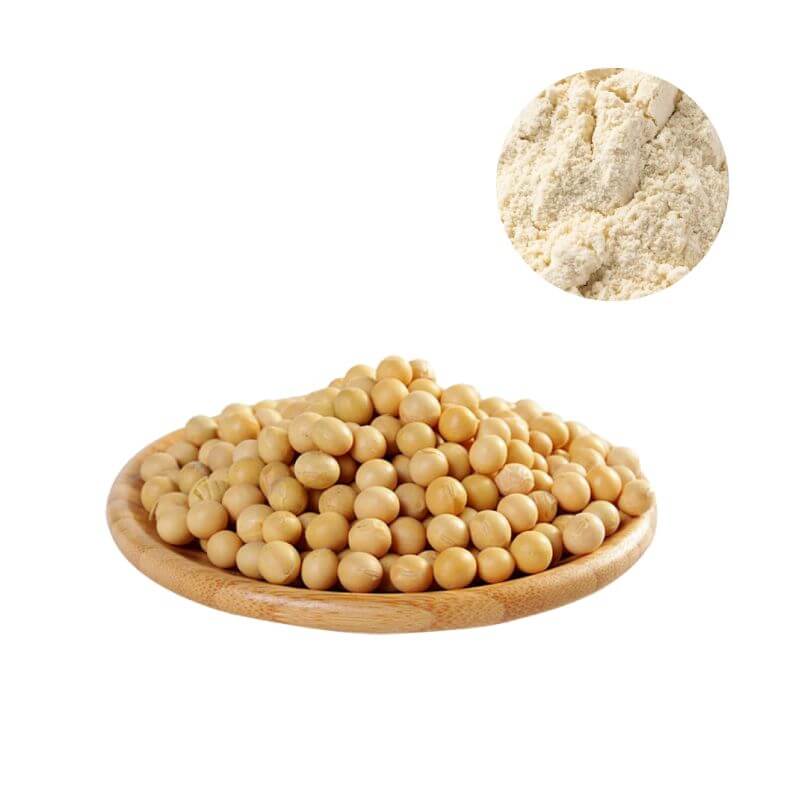
Phosphatidylethanolamine Powder
| Product Name | Phosphatidylethanolamine (PE) Powder |
| CAS Number | 39382-08-6 |
| Appearance | Off-white to light yellow fine powder |
| Purity | 20%, 30%, 50% (Standardized by HPLC) |
| Packaging | 1 kg/bag, 5 kg/bag, 25 kg/drum |
| MOQ | 1 kg |
Phosphatidylethanolamine Powder: A Strategic Phospholipid for Next‑Generation Cognitive & Metabolic Health Formulas
For brands developing premium nootropic or liver-support supplements, the challenge is no longer just adding a known ingredient—it is securing a phospholipid that delivers both cell-level functionality and formulation stability. Phosphatidylethanolamine (PE) powder stands apart as the second-most abundant phospholipid in mammalian membranes, yet its commercial grades (20%, 30%, 50%) are often misunderstood. From a strategic formulation perspective, choosing the right PE purity directly impacts your product’s oxidative stability, cost per dose, and ability to make credible structure/function claims. This article provides sourcing and formulation insights for brands looking to incorporate bulk Phosphatidylethanolamine powder into dietary supplements, supported by peer‑reviewed evidence. Selecting a mid‑range purity (30‑50%) balances membrane support with manufacturing stability, allowing brands to avoid the cold‑chain logistics of higher grades while still delivering a scientifically credible phospholipid profile.
Science of PE: Beyond Membrane Fluidity to Metabolic and Neurological Support
Phosphatidylethanolamine is not a passive structural lipid. It actively modulates mitochondrial integrity, autophagic flux, and cellular signaling pathways. A 2026 comprehensive review highlights that PE’s unique cone‑shaped geometry promotes negative membrane curvature—a property essential for vesicle fusion, protein sorting, and cristae formation in mitochondria (doi: 10.2174/0115665240415642251205104453). For formulators, this means that PE‑enriched formulas support not only short‑term cognitive alertness but also long‑term neuronal resilience.
Key physiological roles that translate into supplement benefits:
- Cognitive function – PE accounts for ~45% of total brain phospholipids, providing a structural backbone for synaptic plasticity.
- Hepatic lipid homeostasis – A 2025 study on PE metabolism shows that alterations in the PE synthesis pathway (via the enzyme ETNPPL) directly impact hepatocellular lipid storage, energy balance, and proliferation (doi: 10.1016/j.bbalip.2025.159608). From a strategic formulation perspective, this supports the use of PE in products targeting metabolic health, such as NAFLD‑adjacent wellness formulas.
For procurement teams, this directly translates to a dual-application ingredient: cognitive support and liver metabolism. Unlike single‑target actives, bulk Phosphatidylethanolamine supplier partnerships allow brands to create hybrid products that appeal to the growing “brain‑liver axis” consumer segment. Practically speaking, a 50% PE grade provides sufficient bioactivity to support both pathways without the oxidation risks that plague ultra‑high purity versions, directly reducing the need for expensive antioxidant overages in your formula.
Quality Benchmarks: What Defines a Premium Phosphatidylethanolamine Powder?
Not all PE powders are equal. For B2B buyers, three quality metrics matter beyond the certificate of analysis: acetone‑insoluble content, peroxide value, and residual solvent profile. A premium certified Phosphatidylethanolamine powder should exhibit ≥95% acetone insolubles (ensuring high phospholipid purity) and a peroxide value ≤5.0 meq/kg, which guarantees freshness and minimal oxidation.
Why these specific benchmarks?
- Acetone insolubles ≥95% – This indicates that the product is not diluted by neutral oils or carriers. For a 50% PE grade, this ensures the remaining 50% consists of other active phospholipids (PC, PI) rather than inert fillers.
- Peroxide value ≤5.0 meq/kg – Low peroxides are critical for formulation stability, especially in softgels or gummies where lipid oxidation leads to rancidity and off‑flavors.
Key sourcing considerations include requesting a batch‑specific COA that tests each of these parameters using validated methods (USP <401> for peroxide value, internal HPLC for purity). It's worth noting that while 98% PE requires cryogenic storage, the 20‑50% grades exhibit far better shelf life (24 months in cool, dry conditions) due to the protective effect of coexisting phospholipids and natural tocopherols. For procurement teams, this directly translates to lower warehousing costs and reduced supply chain complexity when buying bulk Phosphatidylethanolamine for food and supplement use. From a total cost of ownership perspective, a supplier that consistently delivers ≤5.0 meq/kg peroxide value eliminates the risk of rancidity-related batch rejections, saving brands thousands in avoided waste and compliance re‑testing.
Formulation in Practice: Stability, Synergy, and Delivery Solutions
Integrating Phosphatidylethanolamine powder into finished products requires attention to its amphiphilic nature and oxidative sensitivity. However, the 20‑50% grades are significantly more robust than high‑purity monomers. Practical formulation insights from phospholipid industry standards include:
| Dosage Form | Recommended PE % (w/w) | Key Consideration | Stability Tip |
|---|---|---|---|
| Tablets (direct compression) | 5‑15% | Good flowability if particle size ≥95% through 80 mesh | Keep humidity <45% RH during granulation |
| Powder sticks / sachets | 10‑20% | Use microencapsulated PE to avoid clumping | Add 0.1‑0.2% mixed tocopherols as antioxidant system |
| Softgels (lipid‑based) | 20‑30% | Dissolve PE in MCT or olive oil (40‑50°C gentle heating) | Fill under nitrogen to displace oxygen |
Synergistic combinations amplify efficacy. PE works exceptionally well with phosphatidylserine (PS) – together they restore membrane asymmetry and support cholinergic signaling. A clinically relevant ratio is 2:1 (PS:PE) for cognitive blends. For liver health formulas, combining PE with silymarin or berberine targets both membrane repair and AMPK pathways.
For procurement teams, this directly translates to the ability to create differentiated products without expensive encapsulation technologies. An effective formulation requires simply matching the right PE grade (20% for low‑cost powders, 50% for premium softgels) with complementary actives. From a strategic formulation perspective, starting with a small‑scale trial batch (1‑5 kg of wholesale Phosphatidylethanolamine) is the fastest way to validate compatibility with your existing manufacturing line.
Mitigating Risk: A Sourcing Checklist for PE Powder
When evaluating a Phosphatidylethanolamine supplier, brands must look beyond the price per kilogram. The following checklist represents industry best practices for reducing supply risk and ensuring batch‑to‑batch consistency:
- Full disclosure COA – Does the supplier provide test results for acetone insolubles, peroxide value, heavy metals (Pb ≤1.0, As ≤0.5, Cd ≤0.3, Hg ≤0.1 mg/kg), and microbials (TAMC ≤1000 CFU/g)?
- Traceability – Can they confirm the botanical source (soy or sunflower) and provide a clear chain of custody from extraction to final packaging?
- GMP certification – Premium GMP Phosphatidylethanolamine powder is produced under current GMP for dietary supplements, ensuring hygiene and process control.
- Regulatory support – Does the supplier offer documentation for NDI or Novel Food compliance? For the EU, PE from soy or sunflower lecithin has a history of use, but high‑purity (>80%) may require novel food authorization.
For procurement teams, this directly translates to a risk‑mitigated supply chain. A reliable exporter of Phosphatidylethanolamine will provide a technical dossier within 24 working hours, including stability data and residual solvent analysis (USP <467>). It's worth noting that many low‑cost quotes omit these tests – the hidden cost of a failed regulatory audit or a rancidity complaint far exceeds the initial savings. From a strategic formulation perspective, partnering with a supplier that offers custom blending (e.g., mixing PE with other phospholipids or carriers) further reduces your in‑house processing steps and quality control burden. Adopting a total cost of ownership approach—factoring in COA reliability, cold‑chain avoidance, and compliance support—turns a commodity purchase into a strategic partnership that prevents costly production holds and regulatory delays.
Next Steps for Your Product Development: From Sample to Commercial Batch
Moving from ingredient evaluation to market launch requires more than a COA – it demands practical collaboration. Whether you are formulating a memory support powder or a metabolic health softgel, the first step is always a small‑scale trial. Request a complimentary 10‑20 g sample of Phosphatidylethanolamine powder to test compatibility with your excipients and processing conditions. Along with the sample, obtain a full technical datasheet and a batch‑specific COA that includes the key metrics discussed above (acetone insolubles, peroxide value, and heavy metals). This allows your R&D team to validate the ingredient’s performance before committing to bulk quantities. Request your complimentary sample & complete technical dossier to accelerate your formulation project with a GMP‑certified, supply‑secure partner.
Frequently Asked Questions
Share this product
Related Products
Ready to get started?
Contact our team for technical specifications, pricing, and customized solutions.