
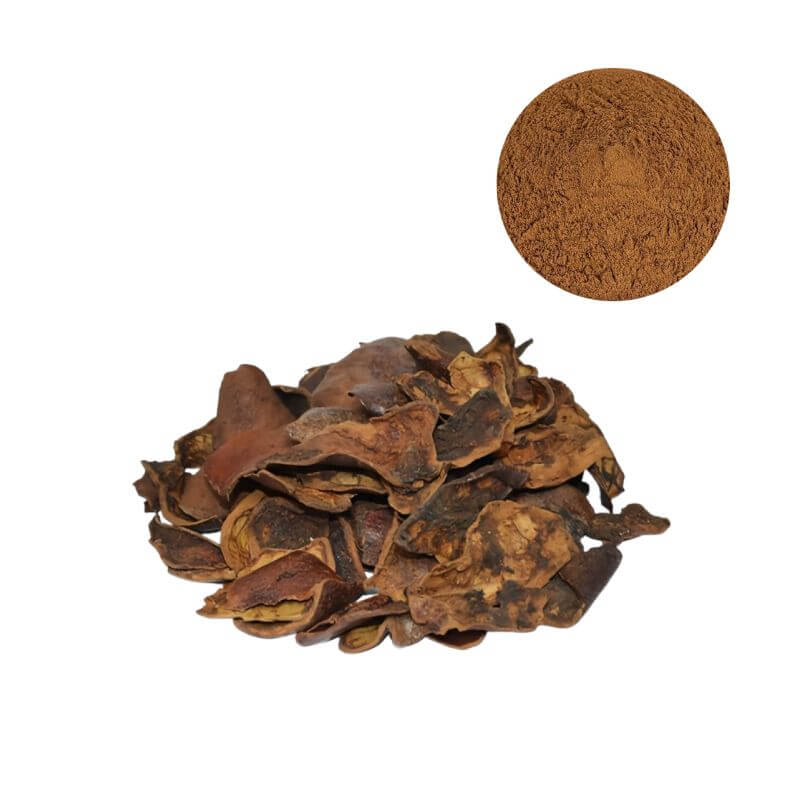
Pomegranate Extract Powder
| Product Name | Pomegranate Extract Powder |
| CAS Number | 476-66-4 (for Ellagic Acid) |
| Appearance | Fine brownish-yellow to light yellow powder |
| Purity | 40% or 90% Ellagic Acid (by HPLC) |
| Packaging | 1 kg/bag, 5 kg/bag, or 25 kg/drum |
| MOQ | 1 kg |
Pomegranate Extract Powder (Ellagic Acid 40%/90%): The Science‑Led Antioxidant for Cardiovascular & Gut Health Formulations
In a crowded antioxidant market, simplistic “high polyphenol” claims no longer differentiate. Formulators need validated mechanisms, batch consistency, and human data. Premium pomegranate extract powder, standardized to 40% or 90% ellagic acid by HPLC, delivers exactly that. Its true value lies not in direct radical scavenging but in gut microbial conversion to urolithins – metabolites clinically linked to reduced inflammation and improved vascular function. For R&D and procurement teams, key sourcing considerations include verified ellagic acid content, full heavy metal profiling, and a traceable supply chain. In an era of tighter FDA and EU scrutiny, a fully documented, HPLC‑verified ellagic acid specification transforms a generic antioxidant into a defensible, premium‑priced product.
The Science Behind Pomegranate Extract Powder: From Ellagic Acid to Systemic Benefits
Bulk pomegranate extract powder’s primary active, ellagic acid, has notoriously low oral bioavailability. However, a 2025 review shows gut microbiota transform ellagic acid into bioavailable urolithins that modulate oxidative stress and inflammation (doi: 10.1002/fsn3.70133). Thus, a standardized ellagic acid supplier provides a precursor for gut‑dependent bioactivation. A 2025 randomized controlled trial (86 participants, 740 mg/day pomegranate extract for 12 weeks) confirmed this. The results showed significant reductions in IL‑6 (p=0.02), IL1‑β (p=0.05), and systolic blood pressure (5.22 mmHg, p=0.04) (doi: 10.3390/nu17071235).
From a strategic formulation perspective, this allows brands to move beyond generic labels and cite specific, peer‑reviewed improvements in inflammation and blood pressure. For procurement teams, this directly translates to human evidence supporting cardiovascular claims – ideal for mid‑life and senior nutrition. The logical next question: How to guarantee consistent ellagic acid delivery? This clinically validated mechanism effectively enables brand developers to build heart‑healthy positioning with the same scientific rigor as patented ingredients, shortening R&D validation cycles and supporting premium price tiers.
| Clinical Outcome | Measured Change | Statistical Significance |
|---|---|---|
| Interleukin‑6 (IL‑6) | Significant reduction | p=0.02 |
| Interleukin‑1β (IL1‑β) | Significant reduction | p=0.05 |
| Systolic blood pressure | ‑5.22 mmHg (mean) | p=0.04 |
Quality Benchmarks: What Differentiates a Premium Pomegranate Extract Powder Supplier
When sourcing wholesale pomegranate extract powder, the stated ellagic acid percentage is just the start. Experienced buyers look deeper at three invisible quality layers. First, HPLC verification – a 40% or 90% specification must be confirmed by validated HPLC, not UV approximations. Second, heavy metal control – premium GMP certified pomegranate extract powder should provide ICP‑MS data for lead (≤1.0 mg/kg), arsenic (≤1.0 mg/kg), cadmium (≤0.5 mg/kg), and mercury (≤0.1 mg/kg). Third, microbial limits – total aerobic count ≤1,000 CFU/g, yeasts & molds ≤100 CFU/g, and absence of E. coli, Salmonella, and P. aeruginosa. Request from your supplier:
- Full‑disclosure, batch‑specific Certificate of Analysis (CoA) showing ellagic acid (HPLC), loss on drying, particle size (≥95% through 80 mesh), and heavy metals.
- Traceability documentation – botanical source declared as Punica granatum L. peel, extraction solvent (ethanol/water), and spray‑drying process.
- Third‑party facility audits – GMP, ISO 9001, and optionally Kosher/Halal certificates.
For procurement teams, this directly translates to de‑risked product launches: no unexpected batch failures, no customs rejections, and no reformulation costs due to inconsistent ellagic acid levels. A reliable ellagic acid supplier will provide these documents within 24 working hours, which itself is a quality signal. With a clean, traceable material secured, the next challenge is effective formulation into final dosage forms. From a production efficiency standpoint, this multi‑layer quality verification ensures that your incoming material never causes line stoppages or costly reprocessing – directly protecting your gross margin and delivery schedules.
Formulation in Practice: Stability, Synergy & Delivery Solutions for Pomegranate Extract Powder
Effective formulation requires understanding ellagic acid’s physical limits. The pure compound is practically insoluble in water (<0.1 g/100 mL) and sensitive to light and high pH. However, 80‑mesh pomegranate extract powder works well in solids. For capsules and tablets, typical inclusion is 200–500 mg extract/serving (80–450 mg ellagic acid). The 40% grade blends easily; the 90% grade allows smaller capsules for high‑potency labeling. Stability data confirm that protecting from light and storing below 25 °C maintains potency for 24 months. Strategic synergy combinations can further enhance formula efficacy. Notable examples include:
- Pomegranate extract + Green tea extract (EGCG) – Complementary polyphenol pathways for broader antioxidant and anti‑inflammatory support.
- Pomegranate extract + Ascorbic Acid (Vitamin C) – Stabilizes polyphenols and synergistically promotes collagen synthesis for skin health applications.
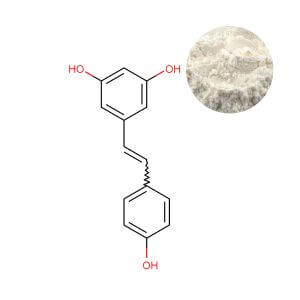
- Pomegranate extract + Resveratrol (98% trans-resveratrol) – Multi‑target cardiometabolic support commonly used in premium anti‑aging blends.
From a strategic formulation perspective, using the 40% grade in a broad‑spectrum metabolic blend reduces ingredient spend without sacrificing the functional claim, because the ellagic acid still generates urolithins. The 90% grade offers a clean label advantage – “standardized to 90% ellagic acid” – which commands premium positioning. Below is a typical application guide:
| Application | Recommended Grade | Typical Extract Dosage | Key Advantage |
|---|---|---|---|
| Cardiovascular support tablets | 40% ellagic acid | 300–500 mg/day | Cost‑effective for long‑term use |
| High‑potency anti‑aging capsules | 90% ellagic acid | 100–200 mg/day | Small capsule, strong label claim |
| Beauty from within powder sticks | 40% ellagic acid | 250 mg/serving | Easier dispersion with fruit powders |
For procurement teams, this directly translates to lower total ownership cost: matching grade to application avoids over‑specification. Understanding these formulation nuances leads logically to the final critical question – how to source this ingredient with minimal supply‑chain risk.
Mitigating Risk: A Procurement Checklist for Bulk Pomegranate Extract Powder
Smart buyers know that the cheapest quote often hides future quality failures. To secure a reliable supply of GMP‑certified pomegranate extract powder, use this objective checklist before placing a wholesale order. Each item represents a standard practice among reputable ellagic acid suppliers and distributors.
- Request a current, batch‑specific CoA – Must include ellagic acid % by HPLC, loss on drying, particle size, heavy metals (Pb, As, Cd, Hg), and full microbial panel (TPC, yeast, mold, E. coli, Salmonella, P. aeruginosa).
- Verify botanical source and extraction solvent – Declared as Punica granatum L. peel and ethanol/water extraction. Avoid undisclosed carriers.
- Ask for stability data – A 24‑month shelf life under recommended storage (cool, dry, dark) should be documented.
- Confirm international compliance – Does the facility hold GMP, ISO 9001, and optionally Kosher/Halal? Can they provide a certificate of free sale for the US or EU?
- Check supply chain redundancy – Is there a secondary sourcing agreement for raw pomegranate peel to prevent seasonal disruptions?
For procurement teams, this directly translates to measurable risk reduction: no unexpected batch failures, no rejected shipments at customs, and no reformulation costs. A professional bulk pomegranate extract powder partner will answer all these points without hesitation, often within 24 working hours. That responsiveness itself is a quality signal. Adopting a total cost of ownership mindset – a slightly higher upfront price for certified, traceable material eliminates the risk of a $50,000 batch rejection – separates professional buyers from transactional purchasers.
Next Steps for Your Product Development: Request Your Sample & Technical Dossier
You now have a complete picture: the gut‑driven mechanism, clinical evidence supporting cardiovascular and anti‑inflammatory benefits, clear quality benchmarks, practical formulation tips (including synergy combinations), and a procurement checklist. Whether you are developing a mid‑life metabolic health product or a premium skin‑aging capsule, the versatility of standardized pomegranate extract powder – in 40% or 90% ellagic acid grades – allows you to tailor the solution. To move from research to prototyping, the most efficient next step is to request a sample batch and the accompanying technical dossier. This will include a full CoA for the current production lot, stability summary, and suggested starting formulations. Request Your Complimentary Sample & Technical Dossier and accelerate your product’s journey to market with a trusted, science‑based ingredient partner.
Frequently Asked Questions
Share this product
Related Products
Ready to get started?
Contact our team for technical specifications, pricing, and customized solutions.